Motor Types
Hub Motors:
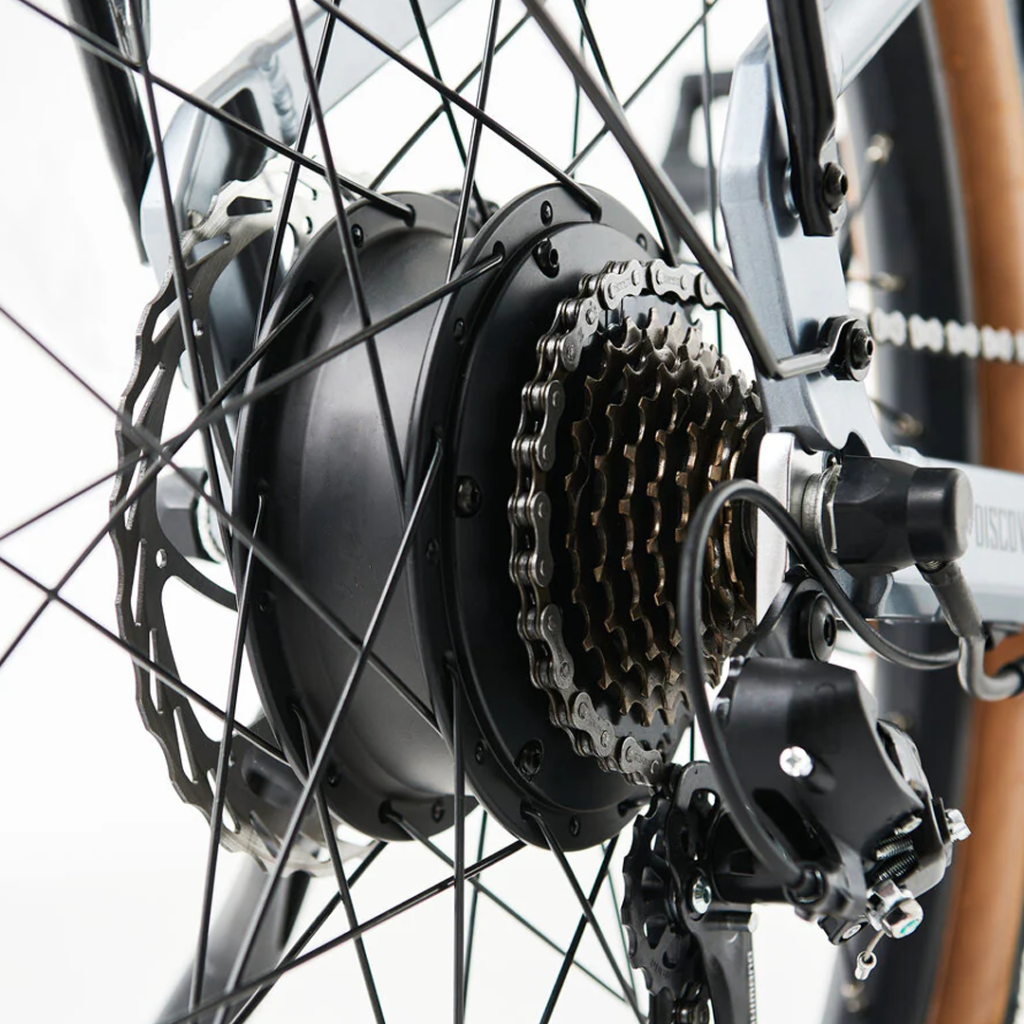
Recommended Models:
- Bafang 500W Hub Motor
- MXUS 3000W Hub Motor
Pros:
- Low Maintenance: Hub motors require less maintenance due to their enclosed design.
- Quiet Operation: Hub motors generally operate quietly, providing a more comfortable riding experience.
- Easy Installation: Hub motors are typically integrated into the wheel, making them easier to install.
Cons:
- Weight Distribution: Hub motors add extra weight to the wheels, which can affect balance and maneuverability.
- Efficiency: Hub motors are generally less efficient than mid-drive motors because they transfer power through the wheel rather than directly to the pedals.
Mid-Drive Motors:
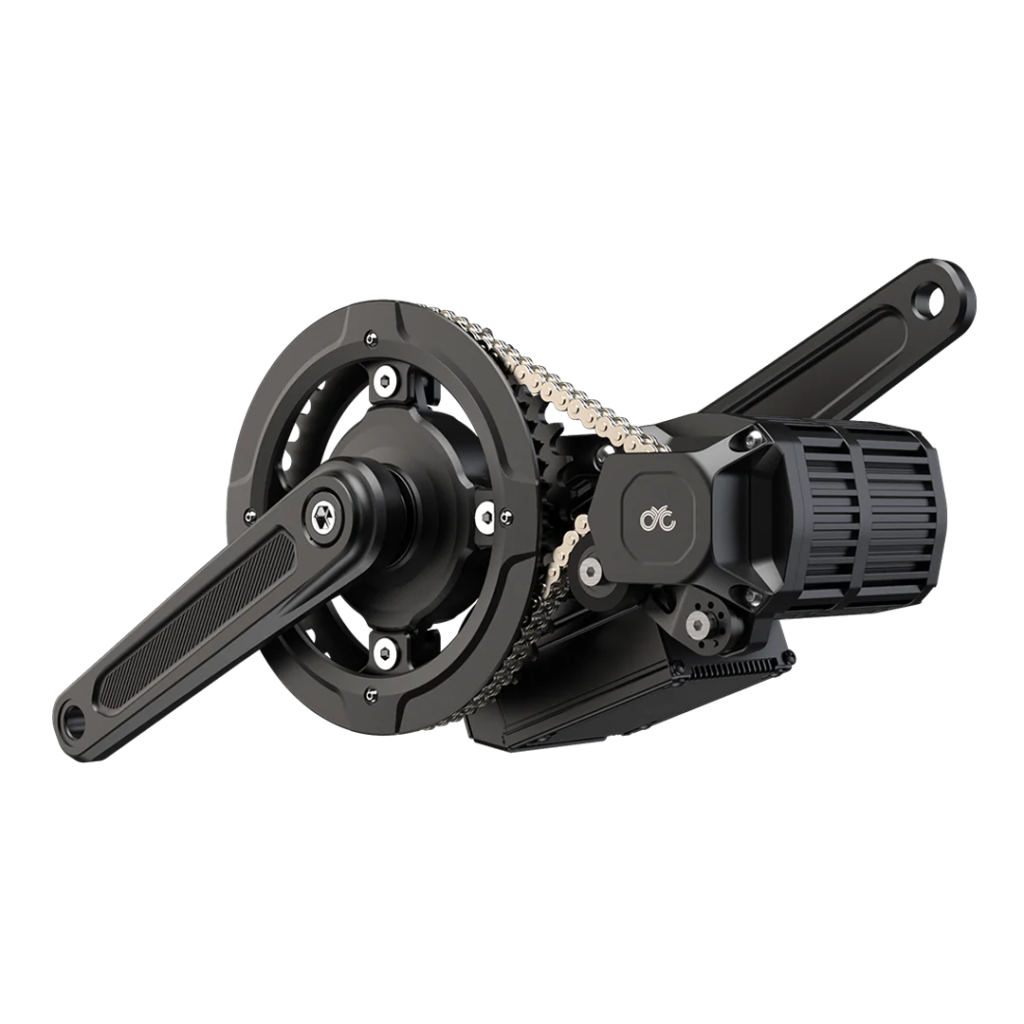
Recommended Models:
- Bosch Performance Line CX
- Yamaha PW-X2
Pros:
- High Efficiency: Mid-drive motors are more energy-efficient because they transfer power directly to the pedals, resulting in longer range.
- Balance: The central position of the motor improves the bike’s weight distribution, leading to a more balanced and controlled ride.
- Climbing Ability: Mid-drive motors excel at climbing steep hills, providing superior performance in challenging terrains.
Cons:
- High Maintenance: Mid-drive motors put more strain on the chain and gears, leading to increased wear and tear.
- Cost: Mid-drive motors are typically more expensive than hub motors.
Motor Power Options
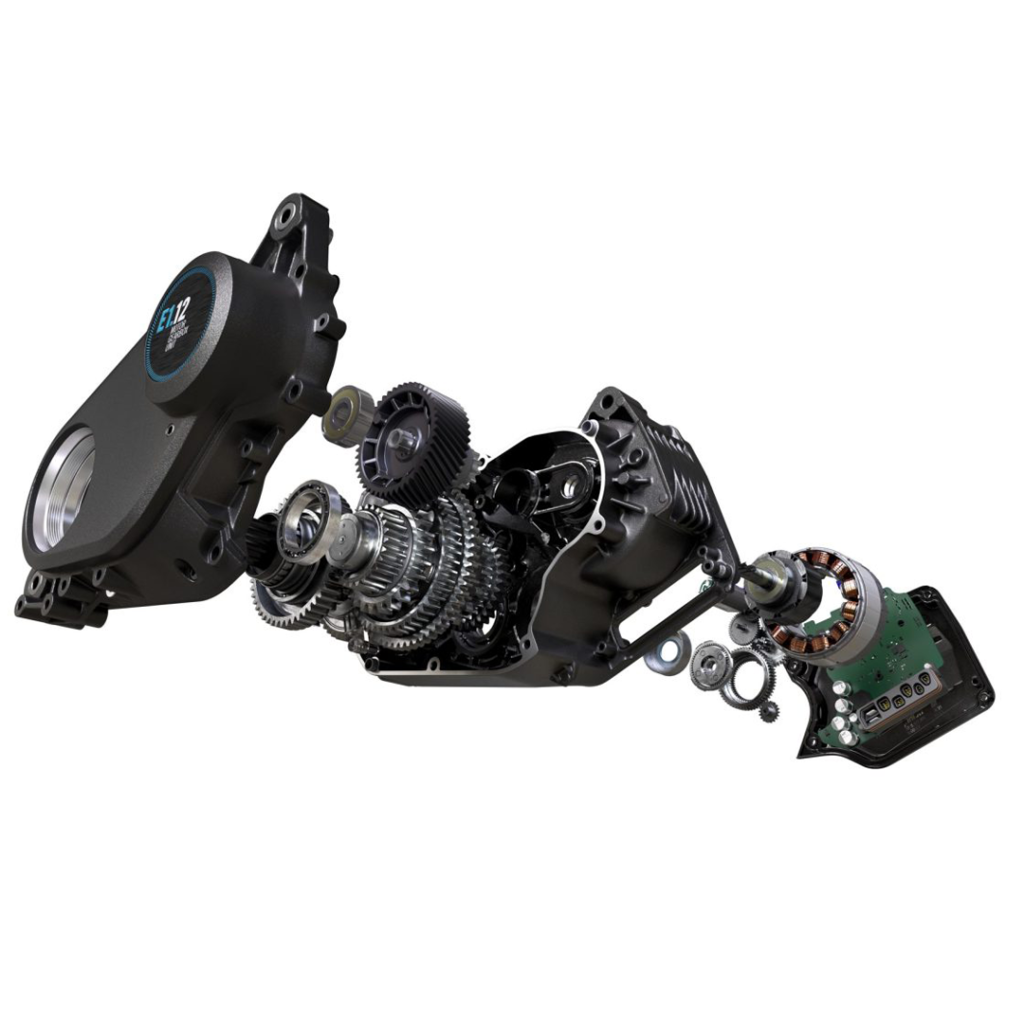
250W – 500W:
- Usage: Ideal for city riding, flat terrains, and mild inclines.
- Recommendation: For urban and light off-road use, this power range is recommended for its energy efficiency and adherence to legal restrictions.
750W – 1000W:
- Usage: Suitable for rougher terrains, off-road rides, and higher speeds.
- Recommendation: If you seek powerful performance and speed, this motor power range is ideal. However, be aware of increased battery consumption at higher speeds.
1500W and Above:
- Usage: Designed for professional use, racing, and extreme off-road conditions.
Recommendation: These motors are perfect for those who need high speed and maximum power. However, consider legal limitations and faster battery drain.
Pros and Cons of Motors
Hub Motor Pros:
- Quiet Operation: Known for their silent performance.
- Low Maintenance: Require less maintenance due to their enclosed design.
- Easy Installation: Integrated into the wheel for easy installation.
Hub Motor Cons:
- Efficiency: Less efficient compared to mid-drive motors.
- Weight Distribution: Adds extra weight to the wheel, affecting balance.
Mid-Drive Motor Pros:
- High Efficiency: Transfers power directly to the pedals.
- Climbing Ability: Excels in steep hill climbing.
- Balance: Central motor position provides a more balanced ride.
Mid-Drive Motor Cons:
- High Maintenance: More wear on the chain and gears.
- Cost: Generally more expensive than hub motors.
Here are some of the top motor brands for e-bikes, along with their pros and cons:
1. Bosch
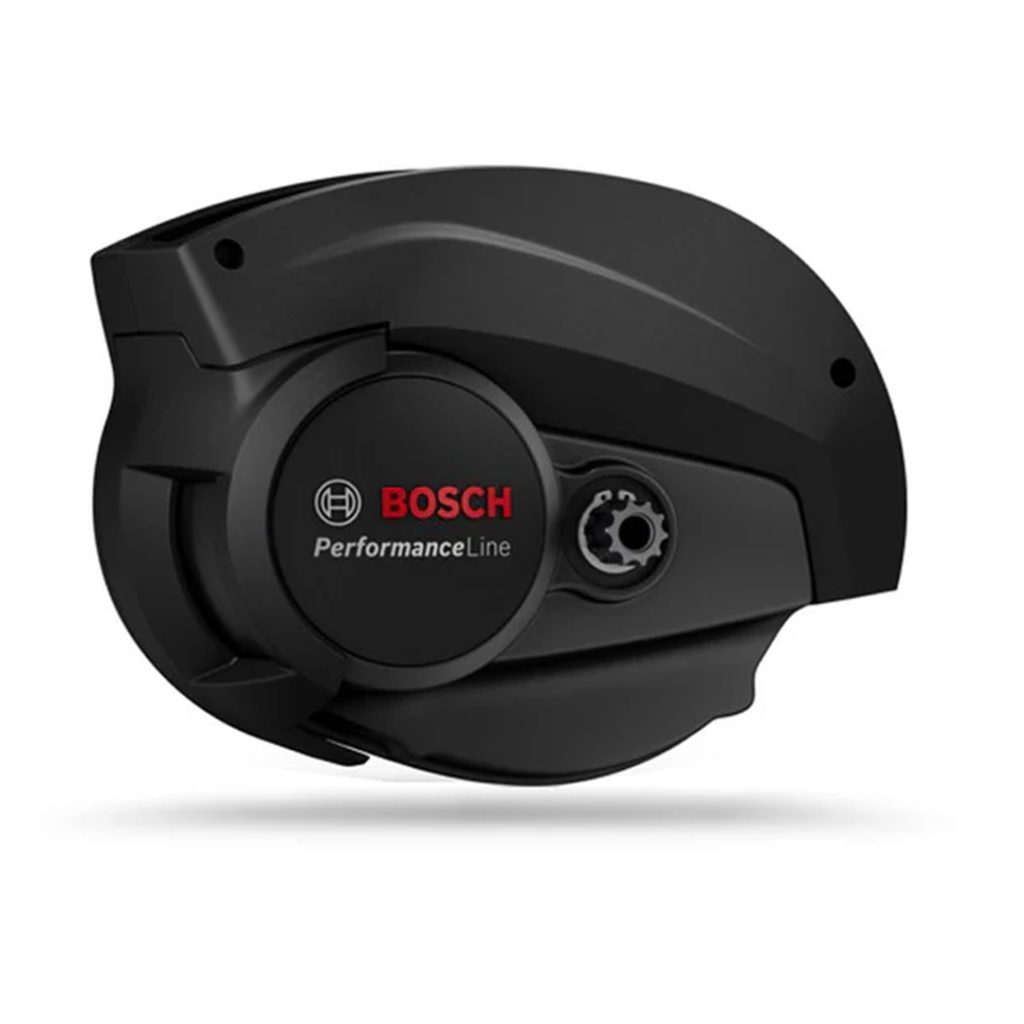
Pros:
- High Efficiency: Bosch motors are known for their high efficiency, particularly in mid-drive systems. They deliver power directly to the pedals, enhancing energy use and increasing range.
- Durability: Bosch motors are built to last, with high-quality materials and robust construction.
- Advanced Features: Many Bosch motors come with advanced features such as eMTB mode, which automatically adjusts assistance based on the rider’s effort.
- Wide Availability: Bosch has a strong presence worldwide, meaning parts and service are widely available.
Cons:
- Cost: Bosch motors are typically more expensive than many competitors.
- Weight: Some users find Bosch motors to be heavier than other options, which can affect handling.
2. Shimano Steps
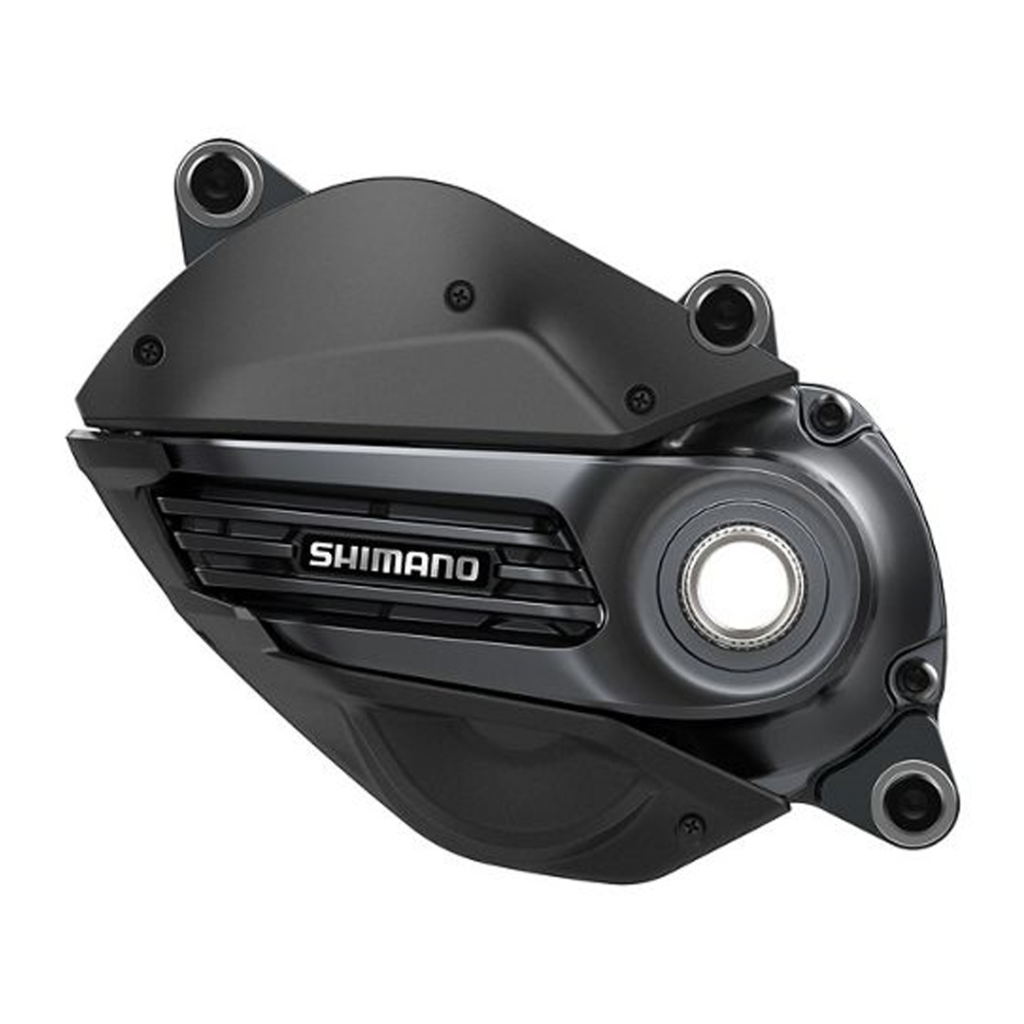
Pros:
- Smooth Power Delivery: Shimano motors are praised for their smooth and natural power delivery, especially in city and commuting e-bikes.
- Integrated System: Shimano Steps systems often integrate seamlessly with other Shimano components, providing a cohesive riding experience.
- Lightweight: Shimano motors tend to be lighter than many other e-bike motors, improving the overall agility of the bike.
Cons:
- Power: While smooth, Shimano motors may not provide as much raw power as some competitors, which might be a consideration for more demanding off-road use.
- Limited Range of Applications: Shimano motors are mainly used in urban and touring bikes, with fewer options for high-performance or heavy-duty use.
3. Brose
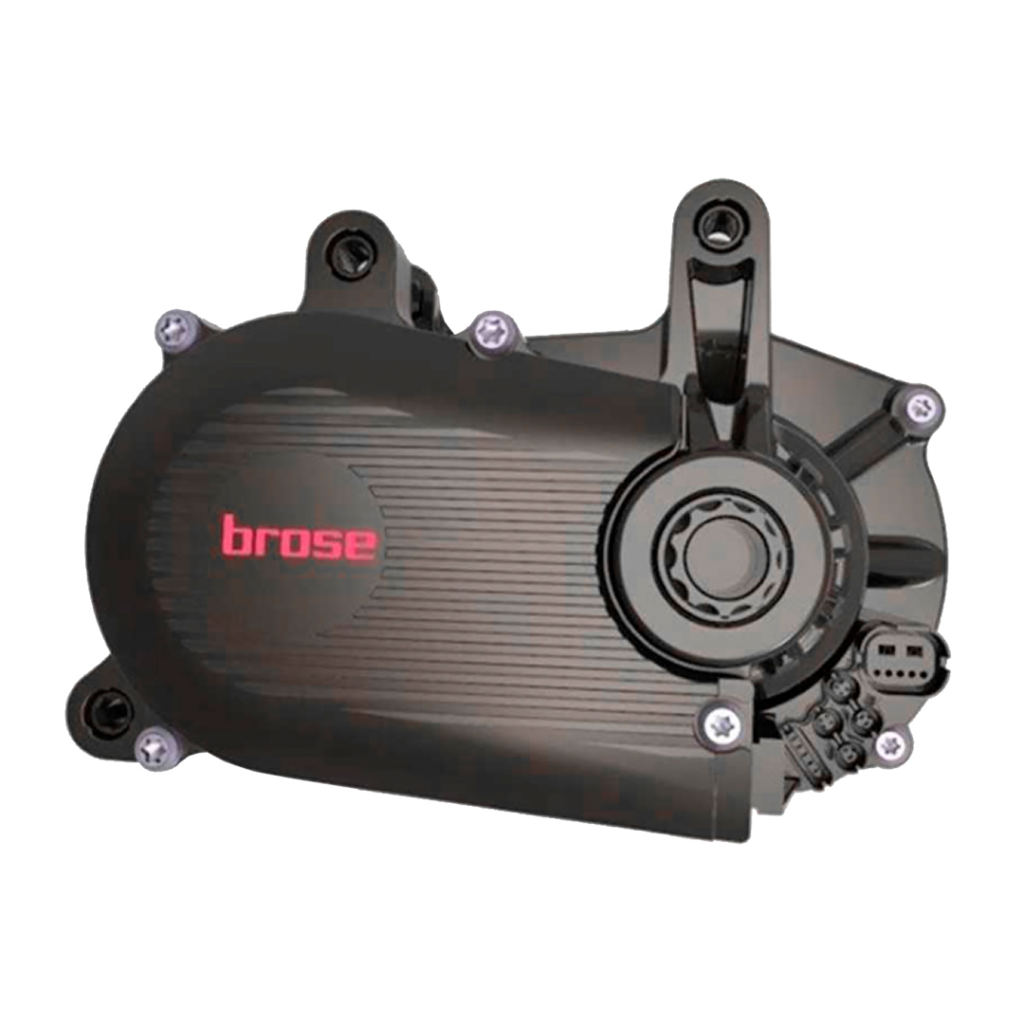
Pros:
- Quiet Operation: Brose motors are known for their quiet operation, thanks to a belt-driven system that reduces noise and vibration.
- Compact Design: The design of Brose motors is more compact, allowing for a cleaner and more integrated bike frame design.
- Customization: Brose motors allow for more customization in terms of power output and feel, giving manufacturers and users more flexibility.
Cons:
- Service Availability: Brose motors are less common than brands like Bosch or Shimano, which can make finding parts and service more challenging.
- Heat Management: Some users have reported that Brose motors can overheat during prolonged heavy use, such as on long, steep climbs.
4. Yamaha
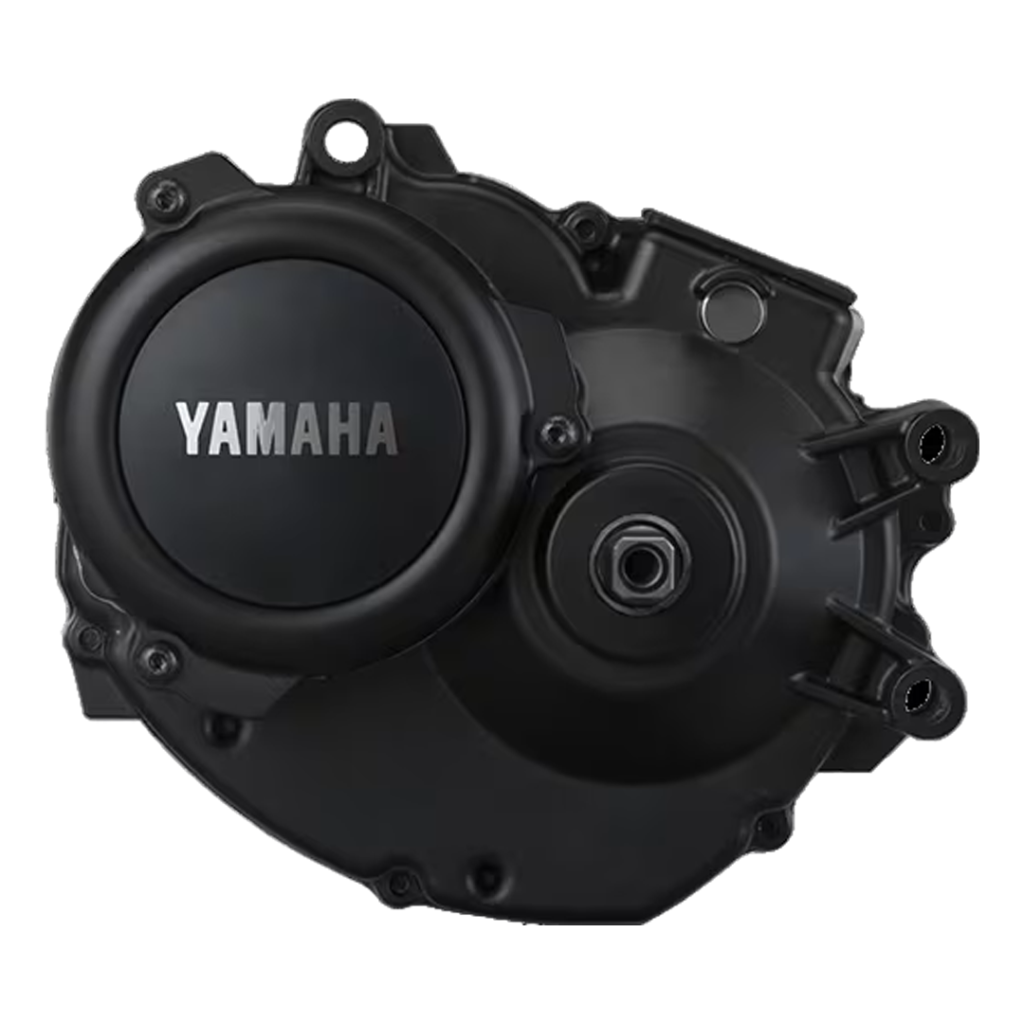
Pros:
- Powerful Performance: Yamaha motors, particularly in the PWseries, are known for their strong torque and powerful performance, making them ideal for off-road and mountain biking.
- Reliability: Yamaha has a long history in motor technology, and their e-bike motors are generally considered very reliable.
- Wide Support Network: Yamaha’s global presence ensures that parts and service are easily accessible.
Cons:
- Weight: Similar to Bosch, Yamaha motors can be on the heavier side, which might be a downside for some users.
- Battery Compatibility: Some Yamaha motors may have compatibility issues with certain battery systems, limiting flexibility in bike design.
5. Bafang
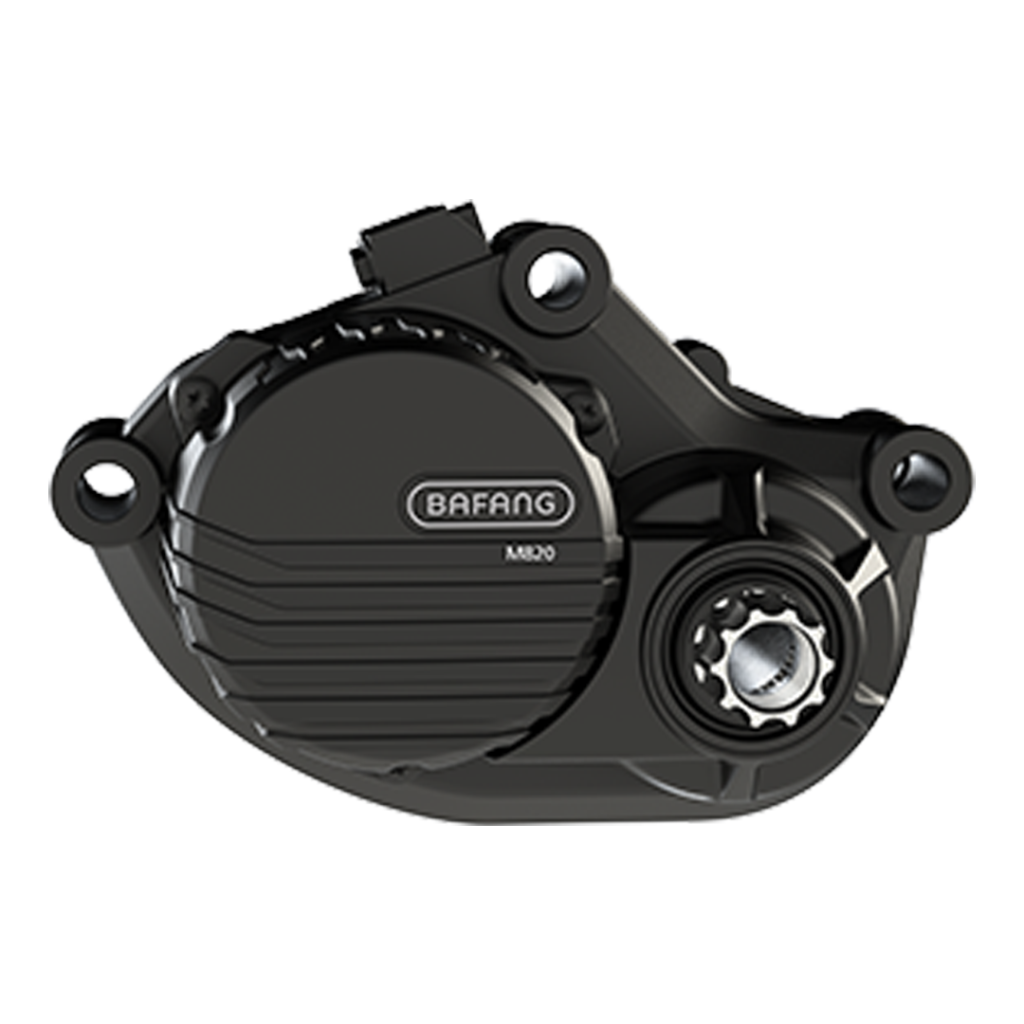
Pros:
- Affordability: Bafang motors are generally more affordable than other premium brands, making them a popular choice for budget-conscious buyers.
- Variety: Bafang offers a wide range of motors, including hub motors and mid-drive systems, catering to various types of bikes and riding styles.
- Powerful: Bafang’s higher-powered motors, especially in the mid-drive category, are well-regarded for their strong performance.
Cons:
- Inconsistent Quality: While Bafang offers affordable options, the quality can be inconsistent, with some models requiring more frequent maintenance.
- Less Efficient: Bafang motors may not be as efficient as higher-end brands like Bosch or Shimano, potentially reducing range.
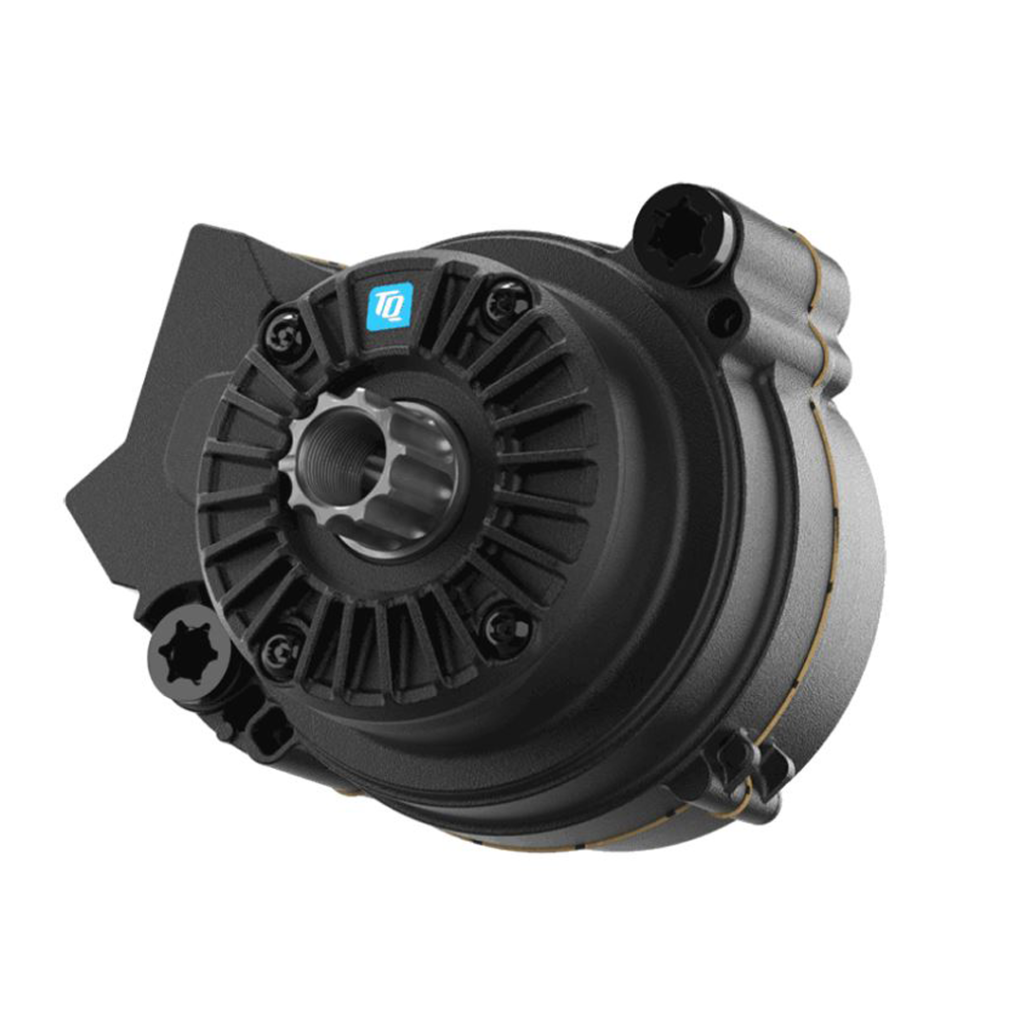
6. TQ
Pros:
- High Power Output: TQ motors are known for their high power output, which is particularly beneficial for e-mountain bikes and heavy-duty applications.
- Compact and Lightweight: Despite their power, TQ motors are relatively compact and lightweight, helping to maintain a bike’s agility and handling.
- Efficient: TQ motors are also highly efficient, providing a good balance between power and range.
Cons:
- Price: TQ motors are among the more expensive options on the market, which can be a deterrent for budget-conscious buyers.
- Limited Availability: TQ motors are less widely used and available compared to giants like Bosch and Shimano, which can make service and support more challenging.
1. Batteries
Best Batteries:
- Samsung 35E 36V 14Ah Battery Pack
- Panasonic NCR18650GA 48V 17.5Ah Battery Pack
- LG MJ1 52V 13Ah Battery Pack
Pros:
- Long Range: Due to their high capacity, these batteries allow users to cover longer distances. The Panasonic NCR18650GA, in particular, offers high performance on long rides.
- Durability: These batteries are built with high-quality cells and robust construction, ensuring long-lasting use. The LG MJ1 is especially known for its longevity.
- Fast Charging: The Samsung 35E stands out for its ability to charge more quickly compared to other models.
- Price: High-capacity batteries are typically expensive, which can be costly for users.
- Weight: Larger batteries are heavier, which can increase the overall weight of the bike.
Why Use These Batteries:
- Performance: They provide high performance and reliability for long-distance rides.
- Reliability: The trustworthiness of these brands and the proven quality of their batteries offer extra assurance for users.
Drivetrain Groupset Recommendations
Choosing the right drivetrain for e-bikes greatly impacts riding performance and efficiency. Here are the best drivetrain recommendations for different usage scenarios:
1. Drivetrain Groups for City and Daily Use
Shimano Nexus 8-Speed Internal Gear Hub
Pros: Requires low maintenance as all gears are protected within the hub, shielding them from external elements. It offers practicality and comfort in urban riding.
Cons: The gear range may be limited compared to mountain bike or performance drivetrains.
Why Choose This Drivetrain? For city use, it provides reliability with low maintenance and smooth gear transitions.
Shimano Alfine 11-Speed Internal Gear Hub
Pros: Offers a wide gear range suitable for both flat roads and mild inclines. It’s known for its sleek design and durability.
Cons: The internal mechanism is more complex, leading to higher maintenance and repair costs.
Why Choose This Drivetrain? Ideal for city riders who desire more gear options and higher performance.
2. Drivetrain Groups for Mountain Biking and Off-Road Use
SRAM GX Eagle 12-Speed
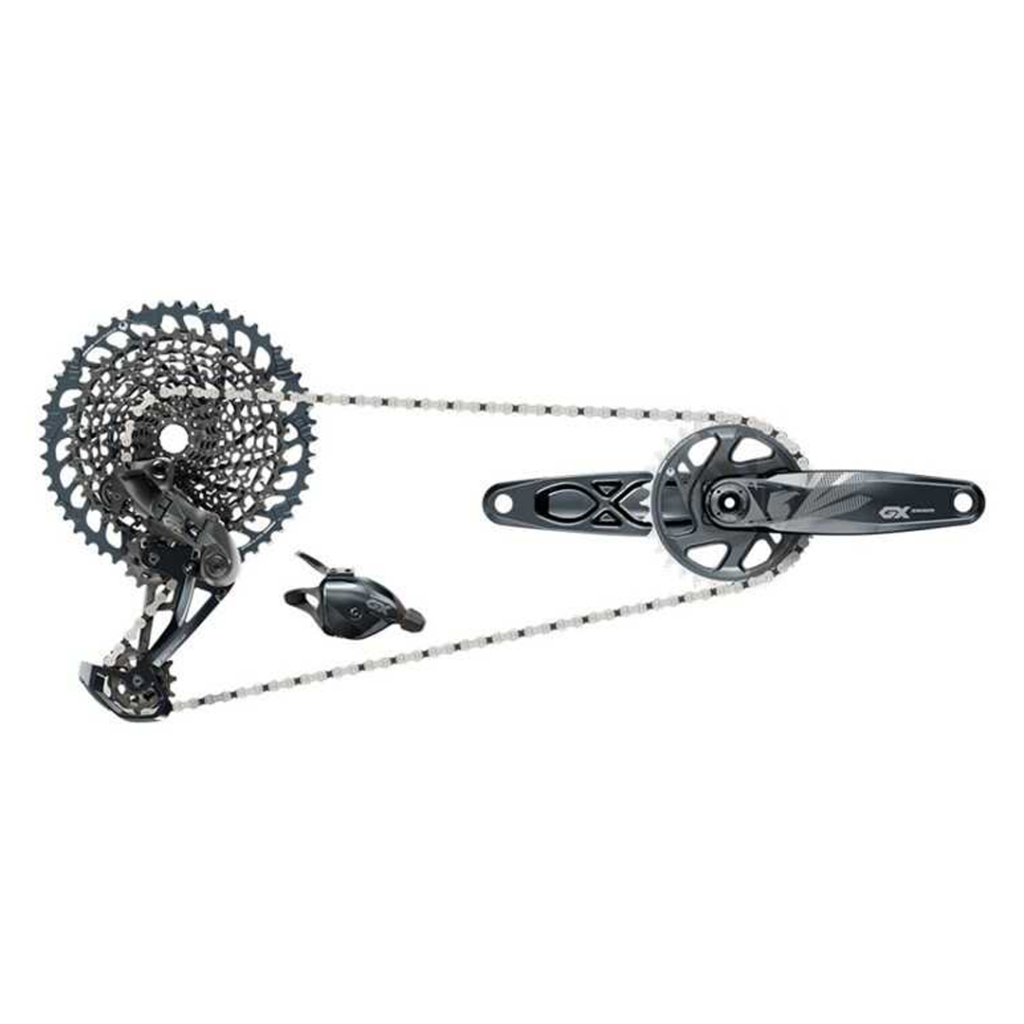
Pros: Provides a wide 500% gear range, ensuring excellent performance when climbing steep hills or speeding across flat terrain. It’s lightweight and durable.
Cons: The 12-speed system might be seen as unnecessary and overly complex by some users.
Why Choose This Drivetrain? In off-road conditions, the SRAM GX Eagle delivers superior performance with its wide gear range and durability.
Shimano XT M8100 12-Speed
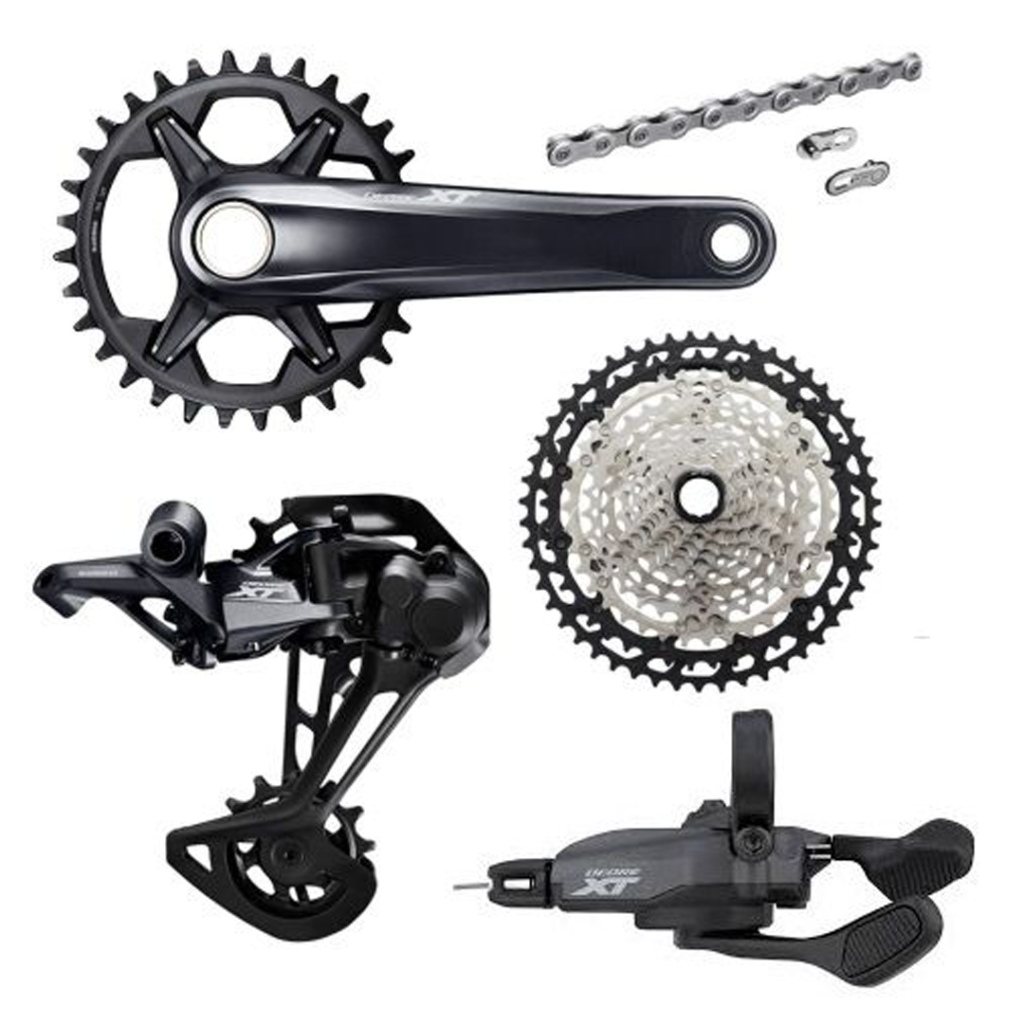
Pros: Offers fast and precise gear shifts. The Hyperglide+ technology allows the chain to shift smoothly both up and down.
Cons: Installation and adjustments can be more complex compared to other drivetrain groups.
Why Choose This Drivetrain? It’s perfect for mountain biking where fast and precise gear changes are crucial, backed by Shimano’s reliability.
3. Drivetrain Groups for Racing and Performance Riding
Shimano Dura-Ace R9200 12-Speed
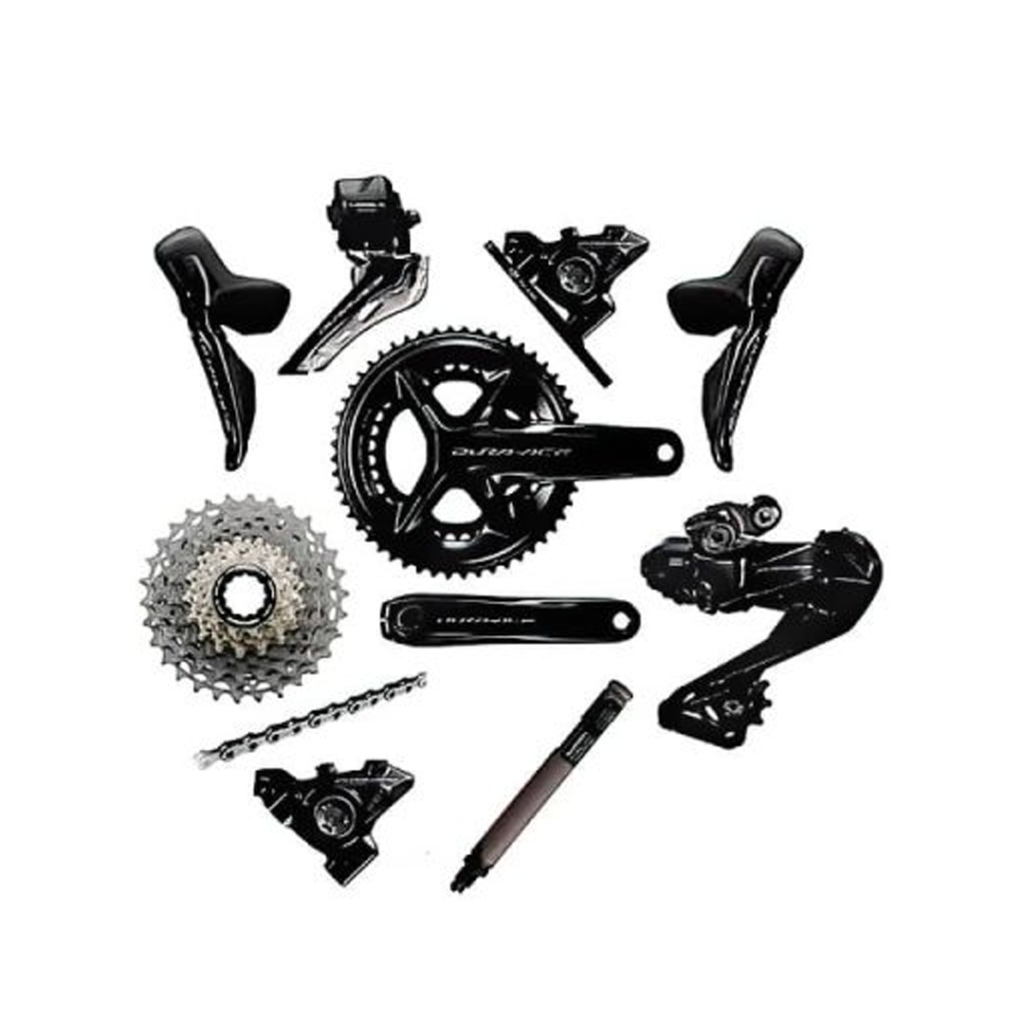
Pros: Lightweight and aerodynamic design enhances racing performance. The Di2 electronic shifting system provides quick and precise gear changes.
Cons: It’s a high-cost drivetrain, making it more suitable for professional riders.
Why Choose This Drivetrain? It offers superior racing performance at high speeds with aerodynamic advantages, making it one of the best options for professional racers.
SRAM Red eTap AXS 12-Speed
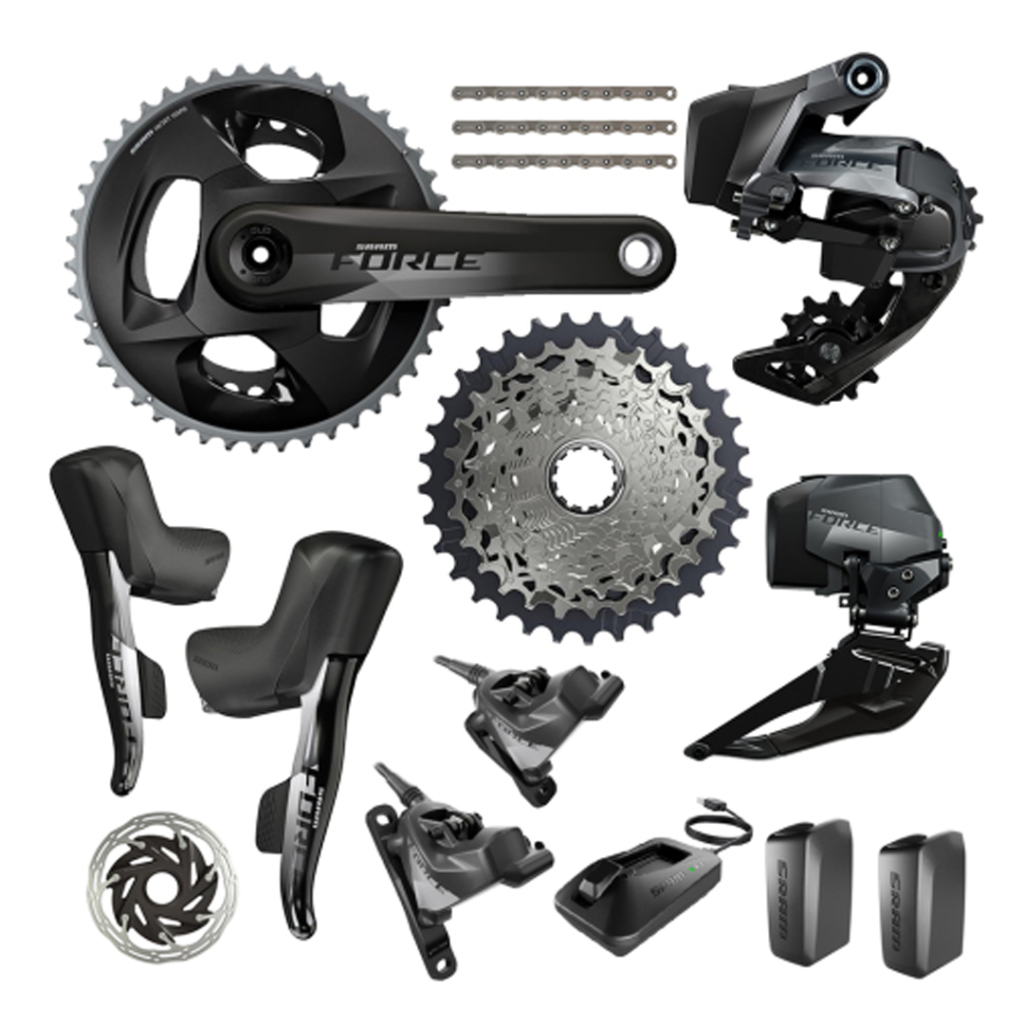
Pros: Wireless shifting…
Tire Recommendations
Choosing the right tire for e-bike riding greatly affects the riding experience, comfort, and safety. Here are the best tire recommendations for different riding conditions and needs:
1. Tires for City and Daily Use
Schwalbe Marathon Plus
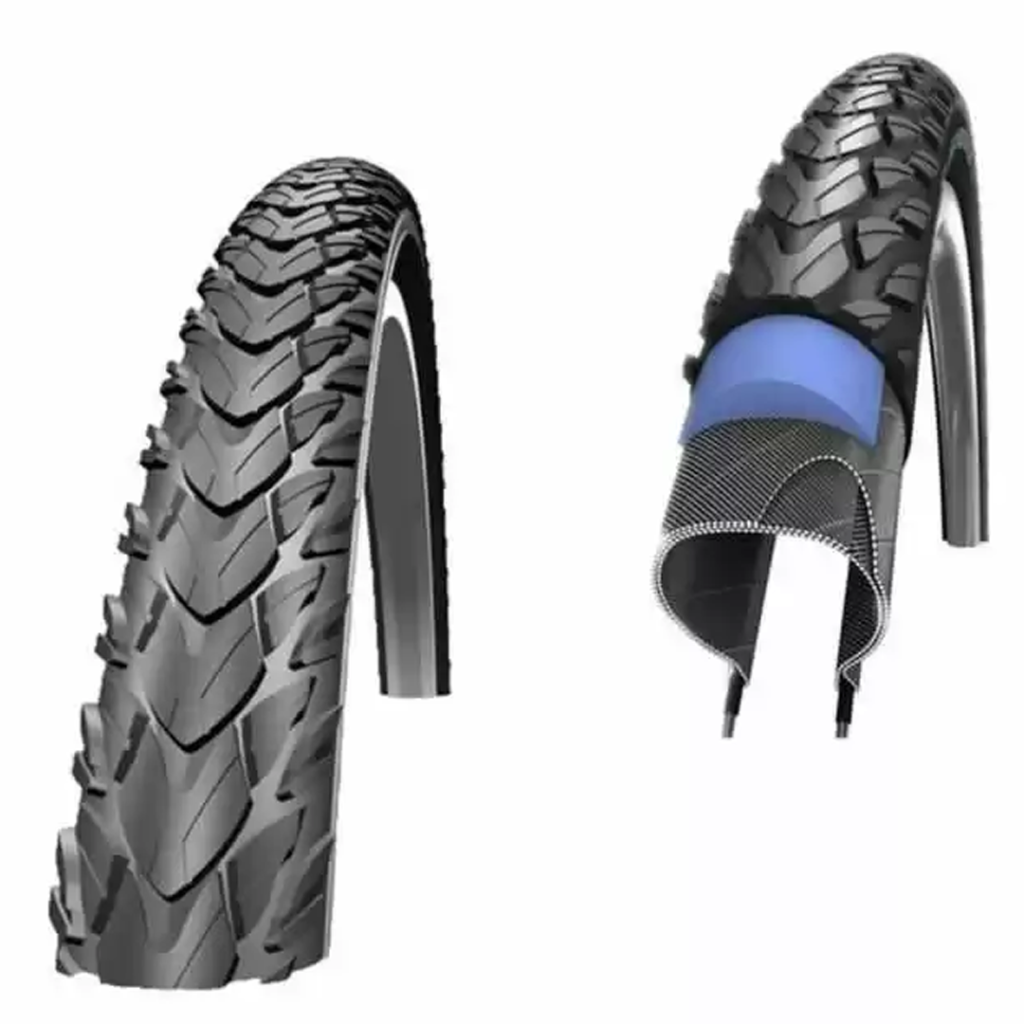
Features: Known for its puncture-resistant properties, this tire offers high resistance thanks to Schwalbe’s “SmartGuard” protection technology. It is excellent for city use and has a long lifespan.
Why This Tire? For city use, it provides both durability and safety, keeping you on the road. It is an ideal choice for daily rides.
Continental Contact Urban
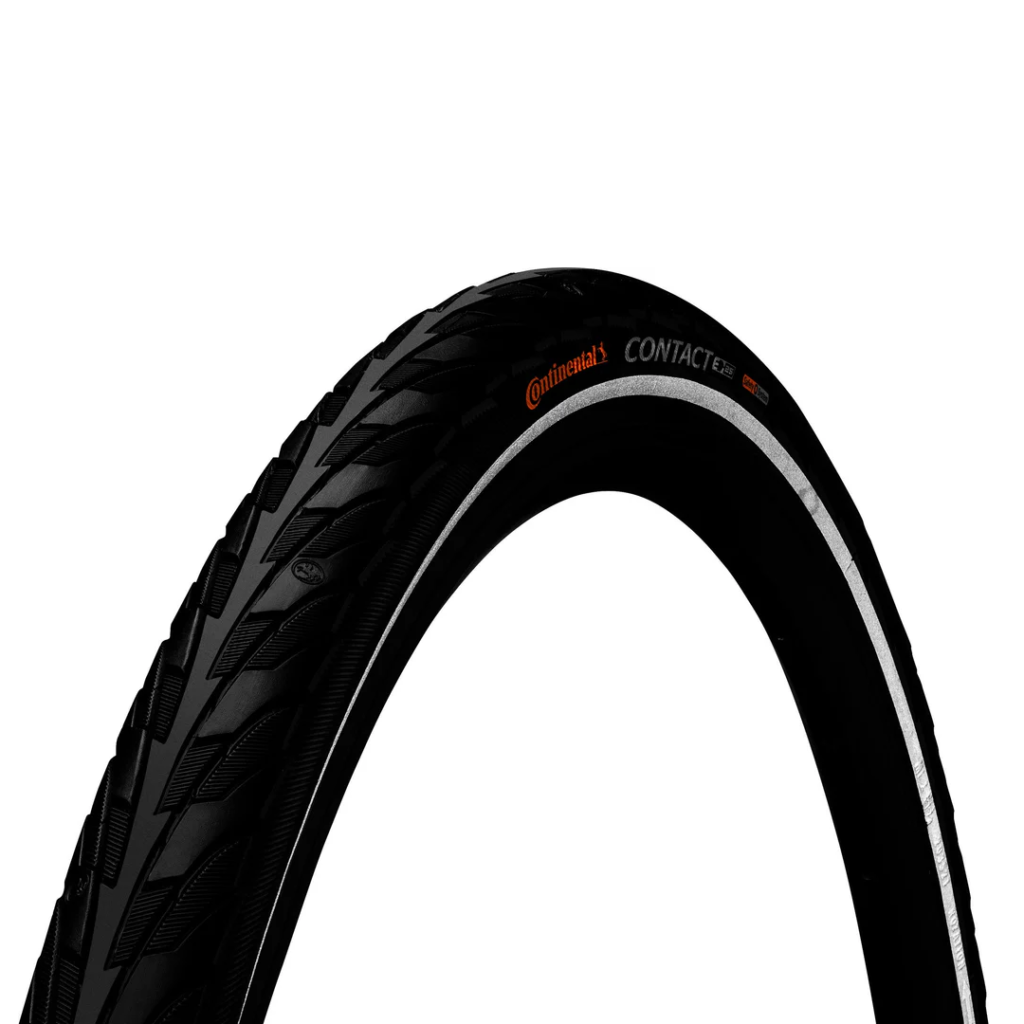
Features: This tire offers low rolling resistance and high grip, providing both performance and comfort for city riding. Additionally, it has reflective sidewalls for extra safety during night rides.
Why This Tire? If you are looking for low rolling resistance and comfort in city rides, the Continental Contact Urban is an excellent choice.
2. Tires for Mountain Biking and Off-Road Use
Maxxis Minion DHF
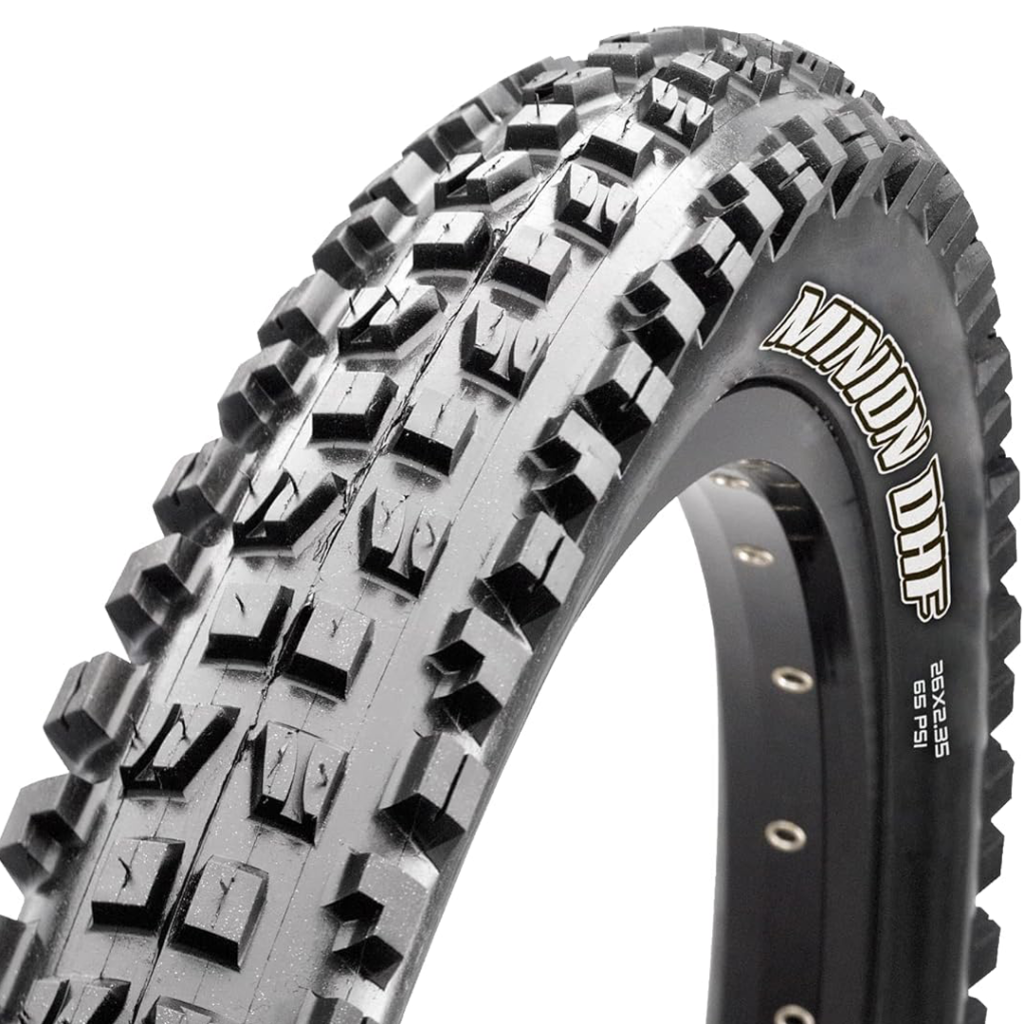
Features: Designed for tough off-road conditions, this tire provides excellent traction in mud and loose terrain with its aggressive tread pattern. It performs well on both hard and soft surfaces.
Why This Tire? It is ideal for mountain bikers, offering maximum grip and control in off-road riding.
Schwalbe Nobby Nic
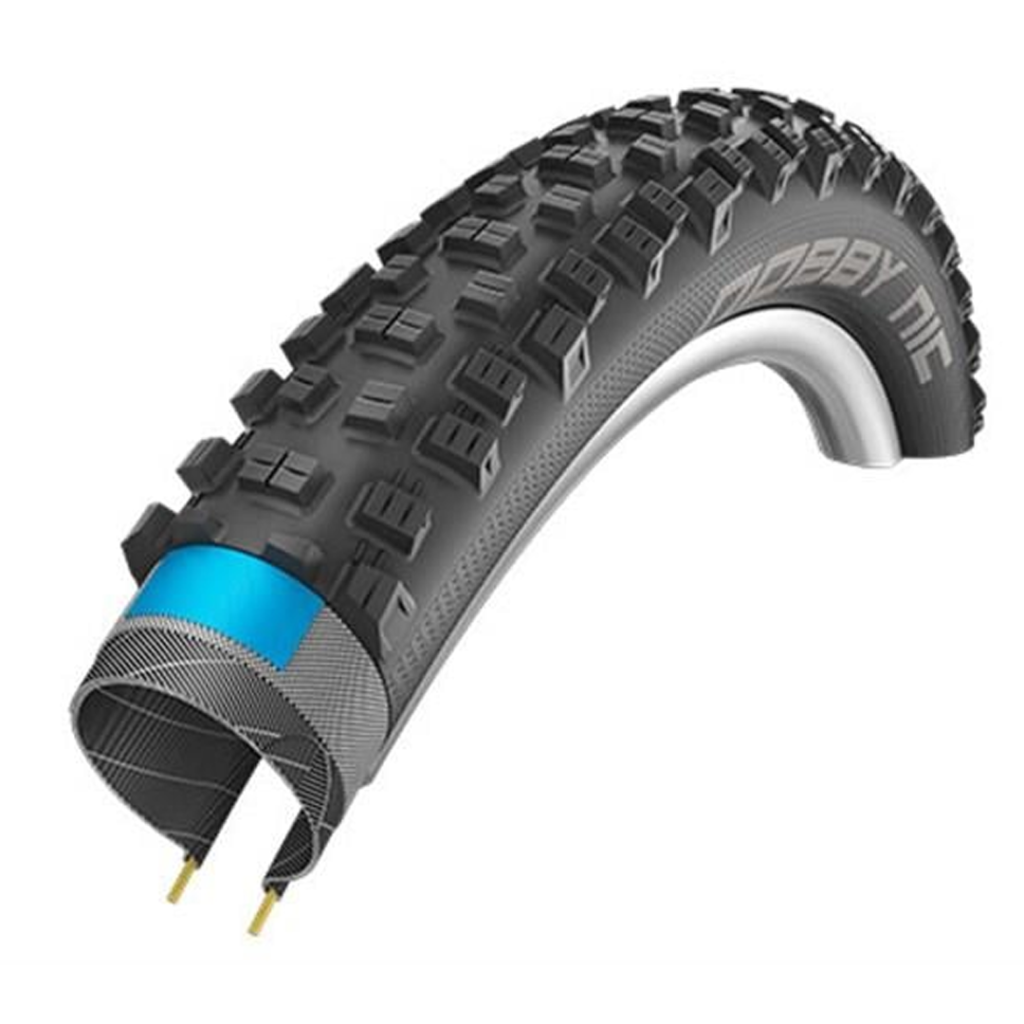
Features: The Nobby Nic is a versatile mountain bike tire that delivers high performance on various terrains. It is known for its strong sidewall protection and balanced tread pattern.
Why This Tire? It is ideal for mountain bikers, offering maximum grip and control in off-road riding.
Continental Top Contact II
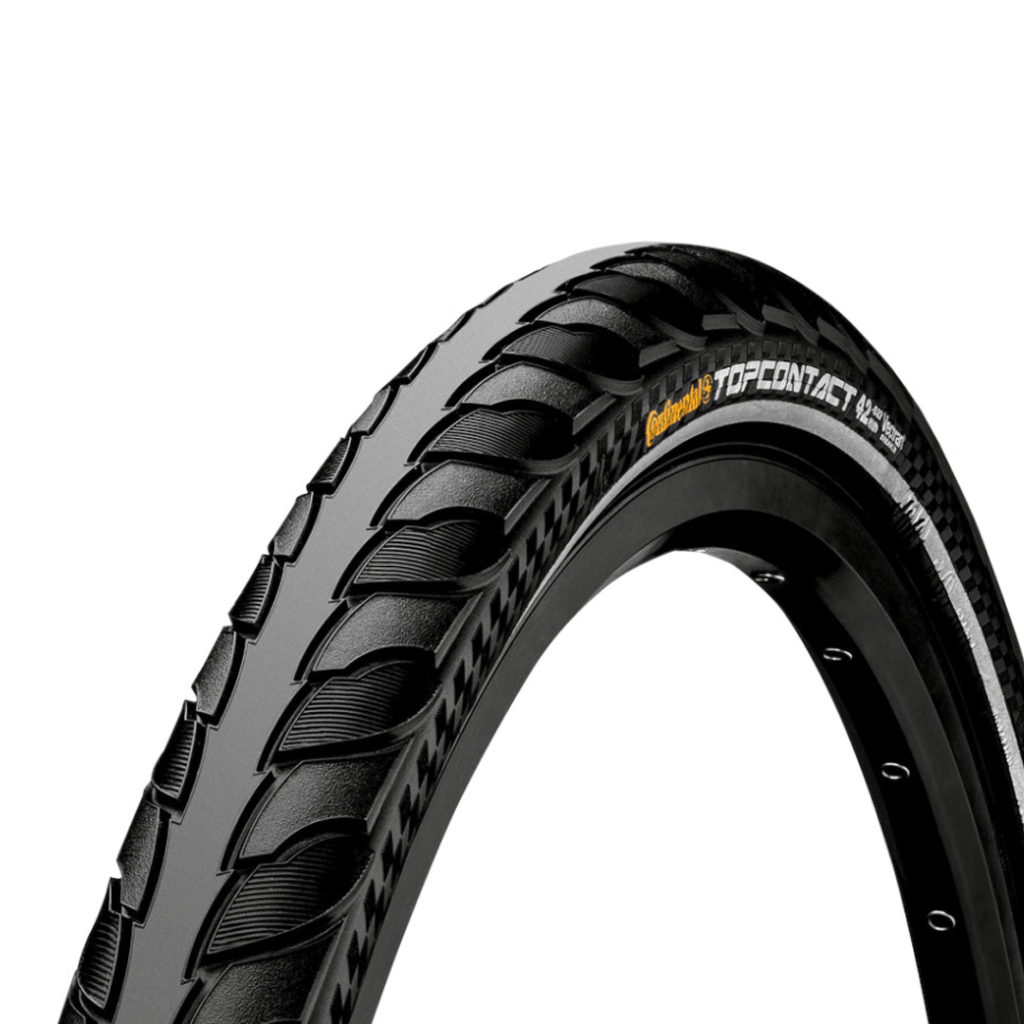
Features: This tire is an excellent choice for touring and long-distance rides, offering low rolling resistance and high durability. Its water-resistant design ensures safe riding even on wet surfaces.
Why This Tire? If you’re looking for a sturdy tire for long-distance tours and carrying loads, the Continental Top Contact II is an ideal choice.
Schwalbe Marathon Mondial
Features: Designed for long-distance touring cyclists, this tire stands out with its durability and puncture protection. It offers safe performance on both asphalt and light off-road conditions.
Why This Tire? If you plan to tour the world, this tire is perfect for those looking for a safe and durable option on all types of terrain.
4. Tires for Winter and Harsh Weather Conditions
Schwalbe Winter Marathon
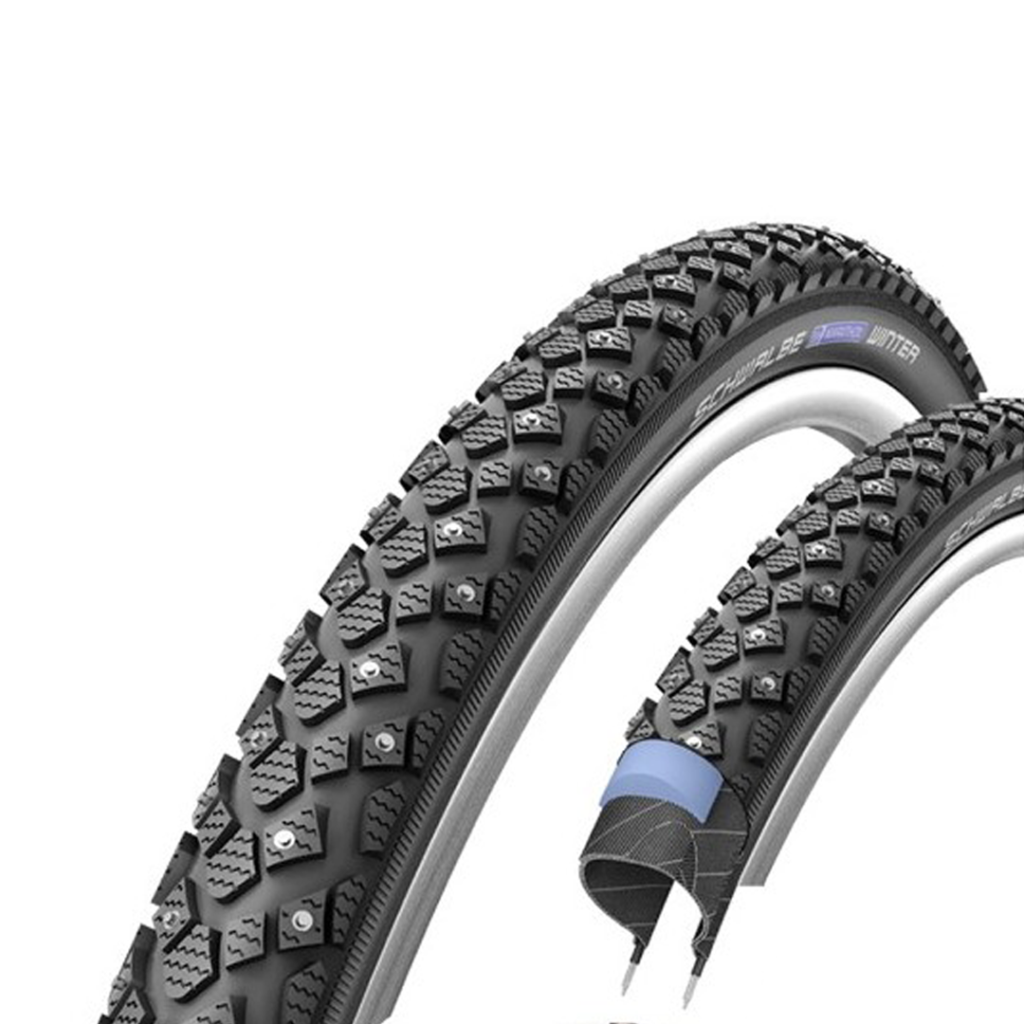
Features: This tire ensures safe riding on icy and snowy roads, offering maximum traction in harsh winter conditions with its studded design. It also has reflective sidewalls for extra safety in the dark.
Why This Tire? It is ideal for riding in tough winter conditions, providing a safe ride on ice and snow.
Continental Top Contact Winter II
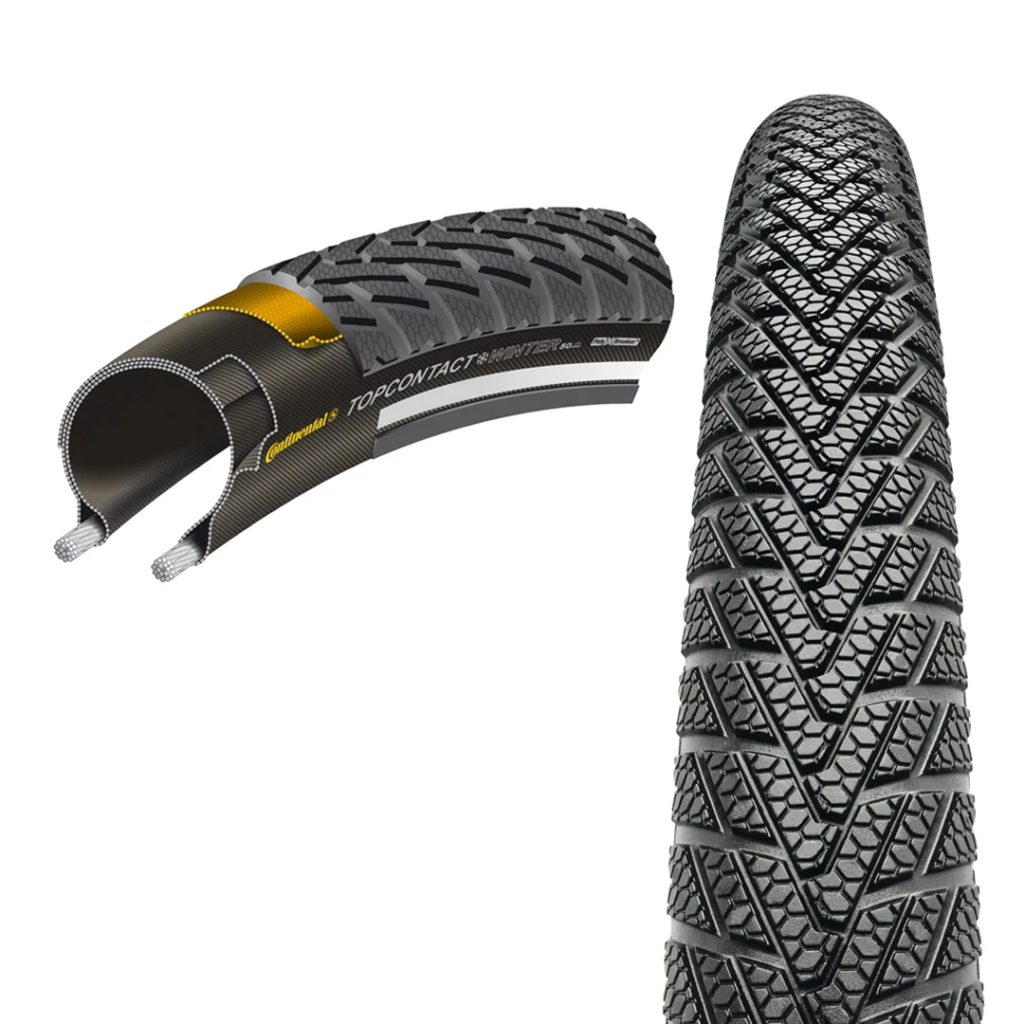
Features: With a specially designed tread pattern and winter-resistant rubber compound, this tire provides excellent grip on wet and icy roads. It also maintains flexibility even in low temperatures.
Why This Tire? Perfect for winter riding, especially for those seeking a safe tire for icy and wet surfaces.
5. Tires for Racing and Performance
Features: Known for its high performance, this tire offers low rolling resistance and excellent grip. Additionally, it features Vectran Breaker technology for high puncture protection.
Why This Tire? It is an excellent choice for those seeking lightness and durability in races and high-performance rides.
Vittoria Corsa G2.0
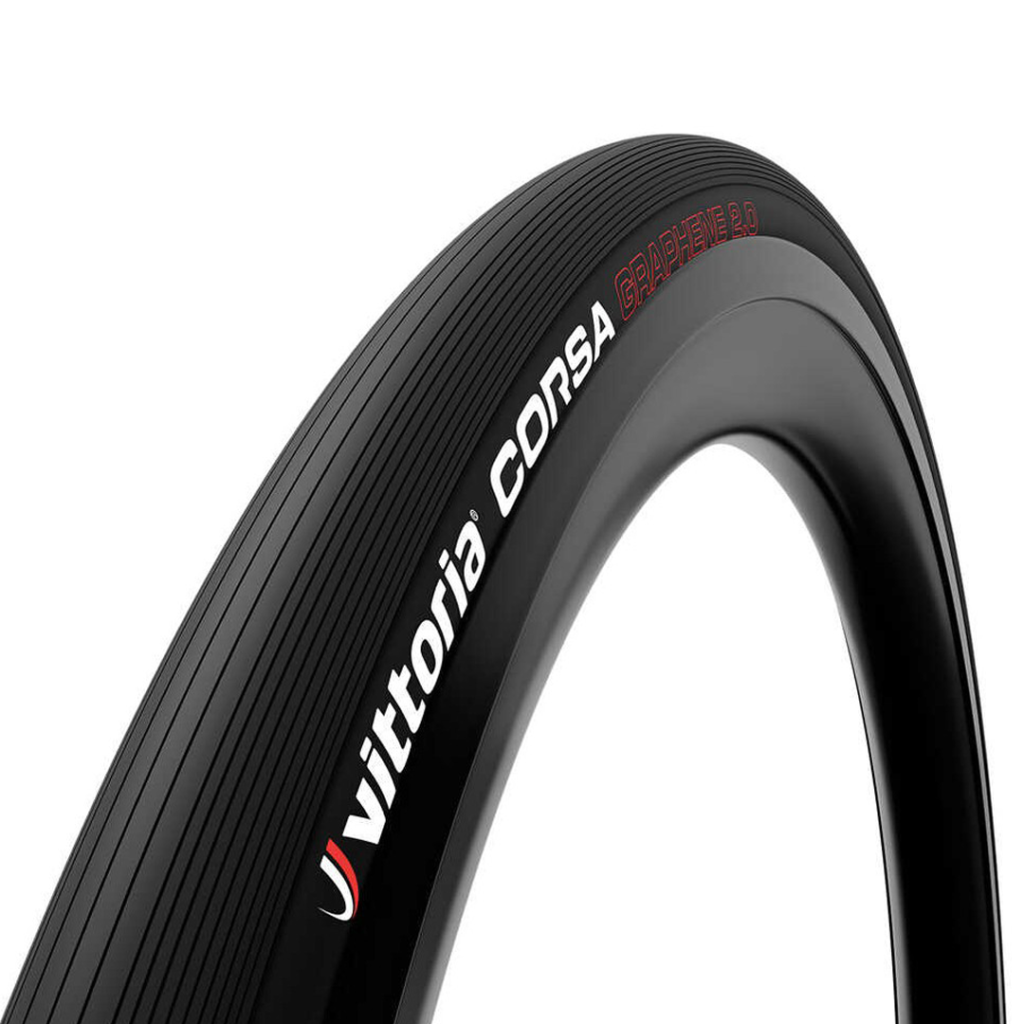
Features: Made with graphene compound technology, this tire offers excellent grip and low rolling resistance. It provides high speed and control in performance riding.
Why This Tire? Designed for racers and speed enthusiasts, this tire delivers superior performance on both asphalt and smooth roads.
This tire recommendation list has been compiled to offer the best options for e-bike users based on their specific needs. Each tire is designed to suit particular riding styles and conditions, so you should choose the one that best matches your riding style and environment.
Bike Brake Recommendations
The brake system is a critical component of your e-bike’s safety and performance. Choosing the right brakes can make your riding experience safer and more comfortable. Here are the recommended bike brake systems for different usage scenarios:
1. Brakes for City and Daily Use
Shimano Deore BR-M6000 Disc Brake
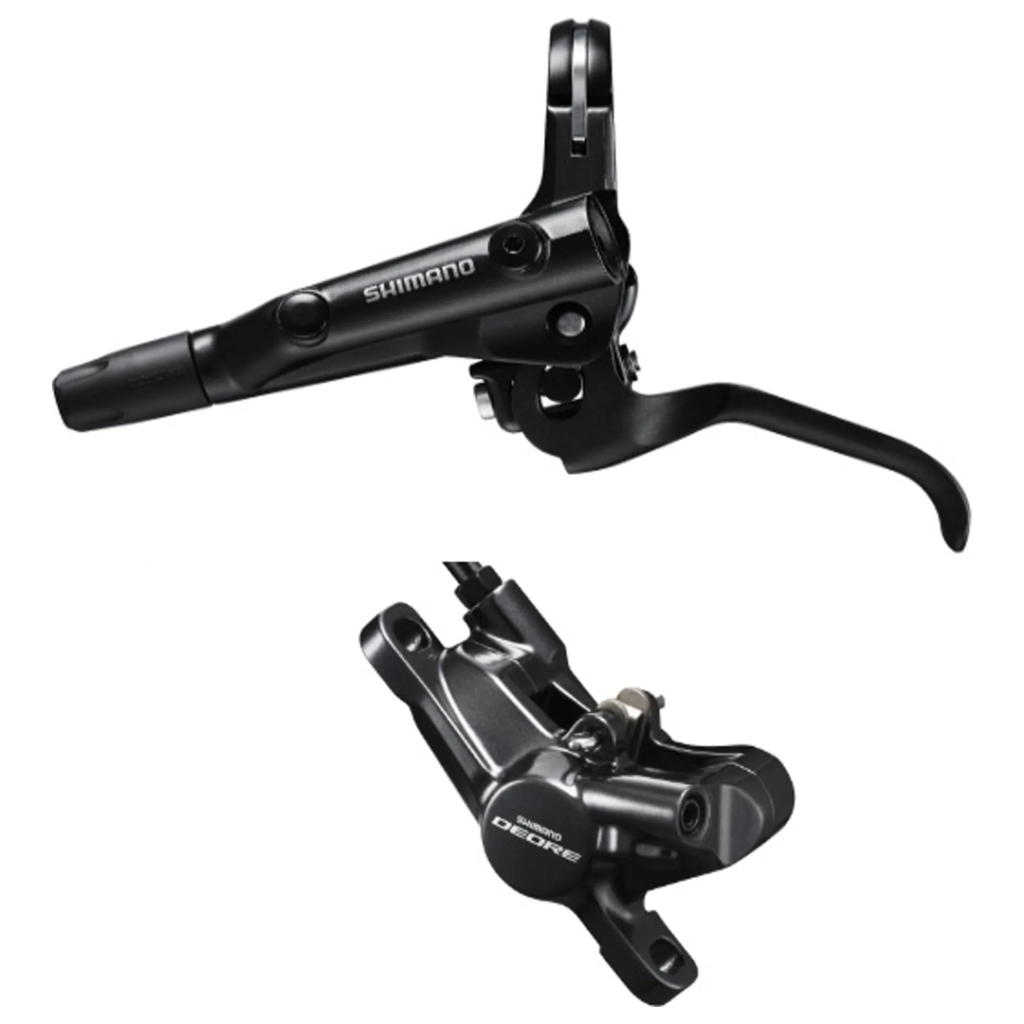
Features: This hydraulic disc brake system provides high safety in city and daily use. The 2-piston caliper design offers excellent braking power and control. It’s easy to maintain and has a long lifespan.
Why This Brake? It’s ideal for those seeking reliable braking and smooth performance in daily rides.
Tektro HD-M285 Hydraulic Disc Brake
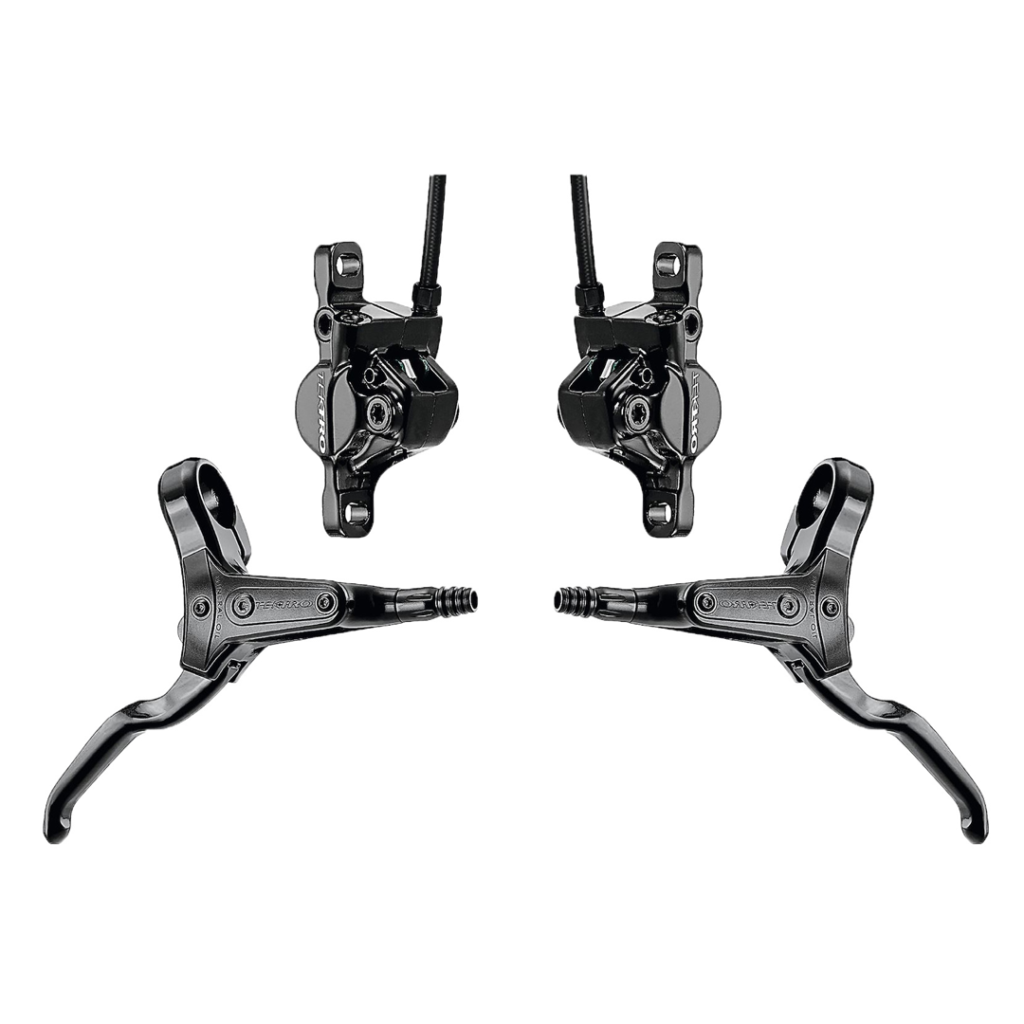
Features: This brake offers an affordable and reliable hydraulic braking option. It provides sufficient braking power and durability for city riding. It’s known for easy installation and maintenance.
Why This Brake? Suitable for city cyclists looking for a budget-friendly option.
2. Brakes for Mountain Biking and Off-Road Use
Shimano Deore XT M8100 Disc Brake
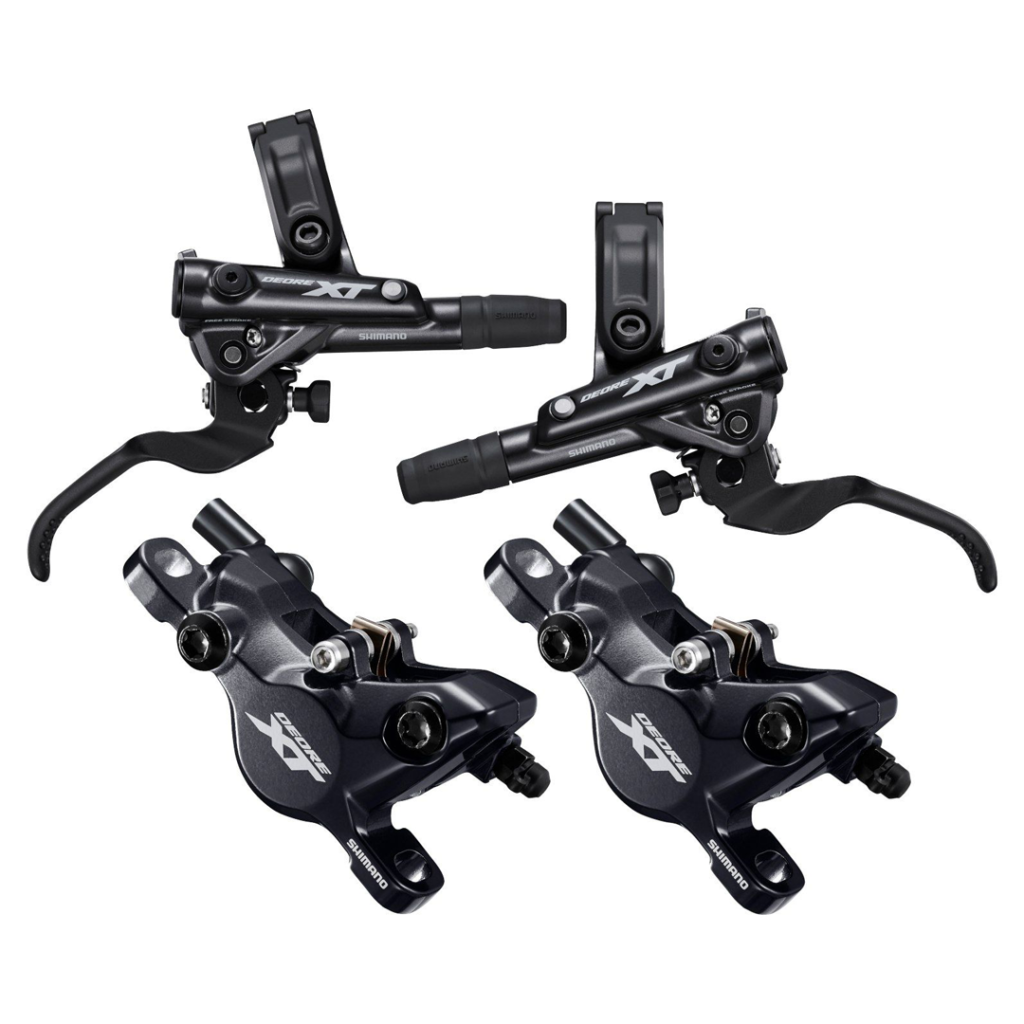
Features: It features a 4-piston caliper design and delivers advanced braking power. It ensures high durability and reliability in off-road riding. Additionally, it comes with ICE Tech pads to prevent overheating.
Why This Brake? It’s an excellent choice for mountain bikers seeking maximum braking power and durability in tough terrain conditions.
SRAM Guide RSC Disc Brake
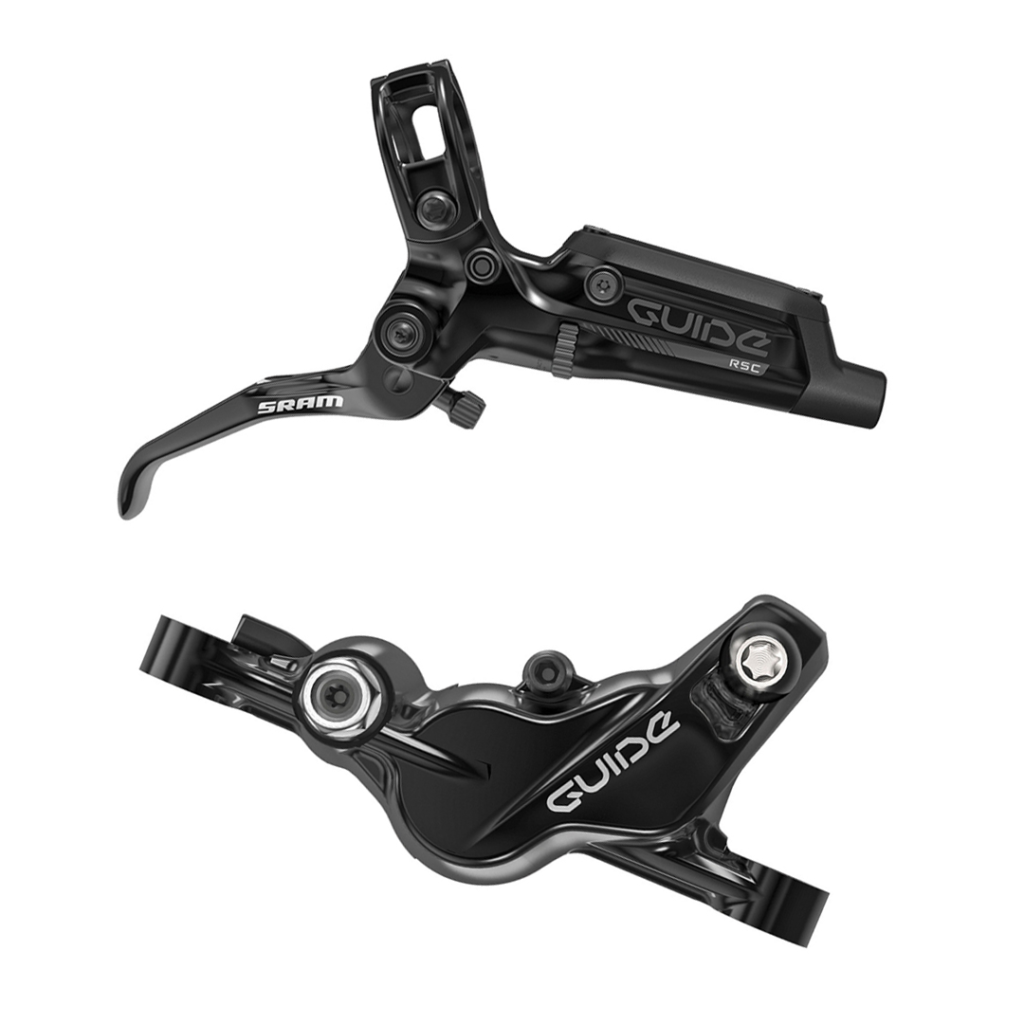
Features: This model offers top-level braking performance with an adjustable brake lever and a 4-piston caliper, providing excellent braking power and precision. The TaperBore technology enhances the braking feel.
Why This Brake? Ideal for off-road cyclists looking for a high-performance brake system with fine-tuning options.
3. Brakes for Long-Distance and Touring
Shimano Ultegra BR-R8070 Hydraulic Disc Brake
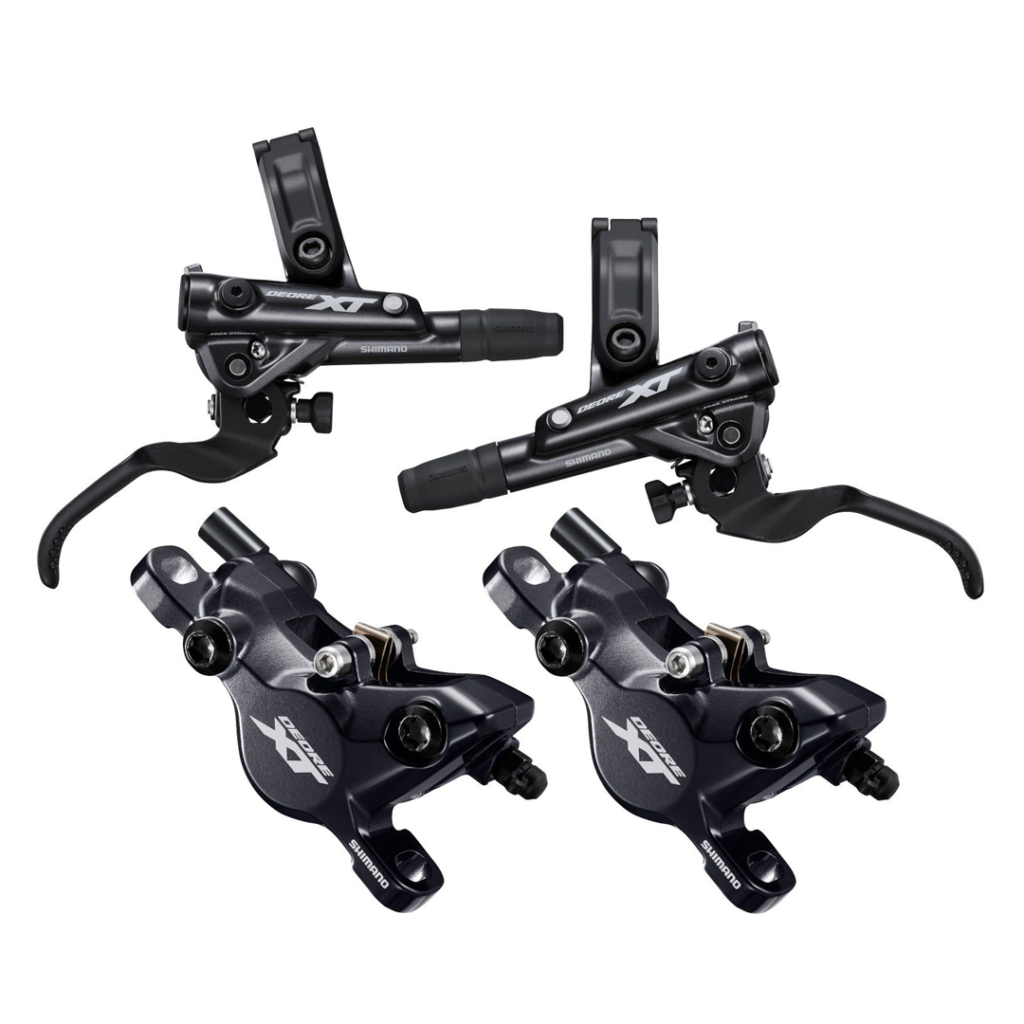
Features: It provides safe and comfortable riding on long-distance tours. The hydraulic disc brake system delivers high performance and consistent braking. It also features ICE Tech rotors to prevent overheating.
Why This Brake? Perfect for those seeking reliability and low maintenance in long-distance rides.
TRP Spyre SLC Mechanical Disc Brake
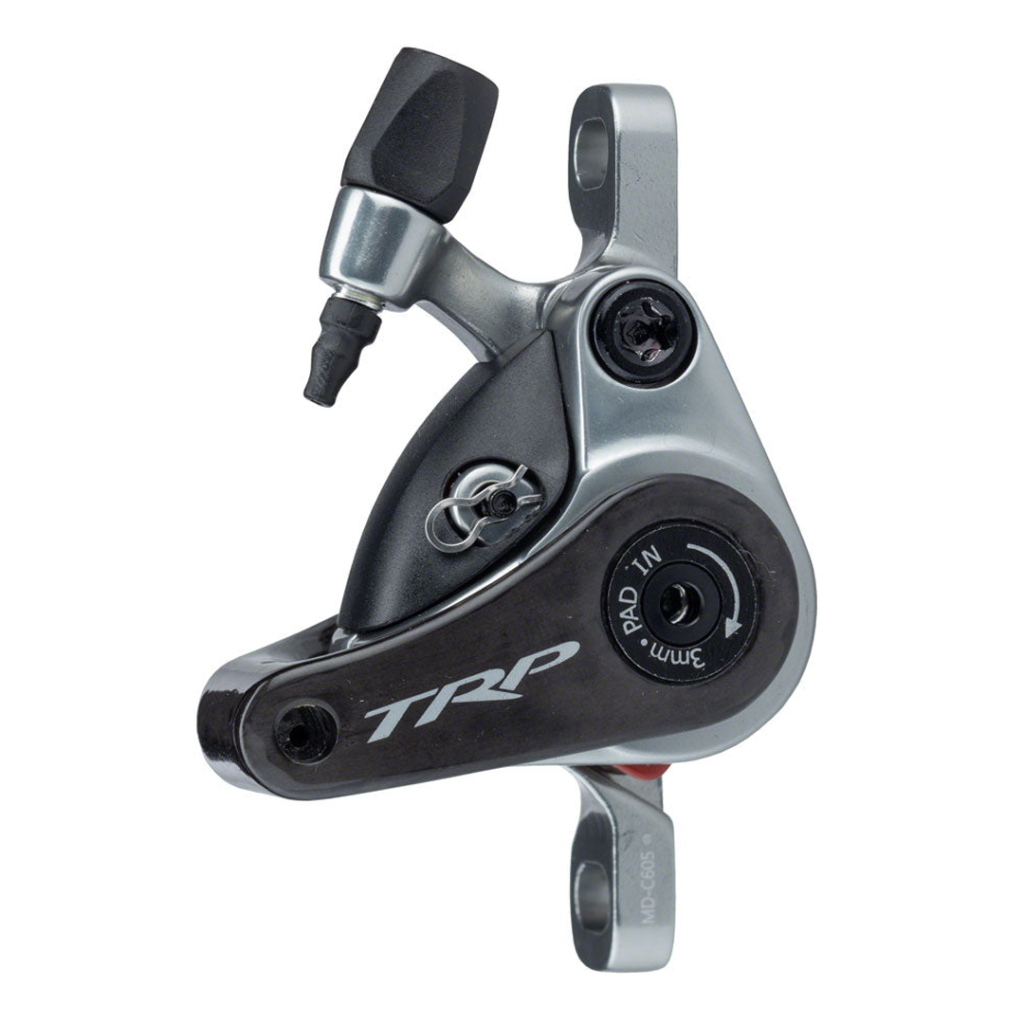
Features: As a mechanical disc brake, it offers dual-sided actuation for more balanced and powerful braking. Its durable carbon composite arms ensure durability on long tours.
Why This Brake? Suitable for those who prefer mechanical disc brakes and need reliable braking on long distances.
4. Brakes for Racing and Performance Riding
SRAM Red eTap AXS HRD Disc Brake
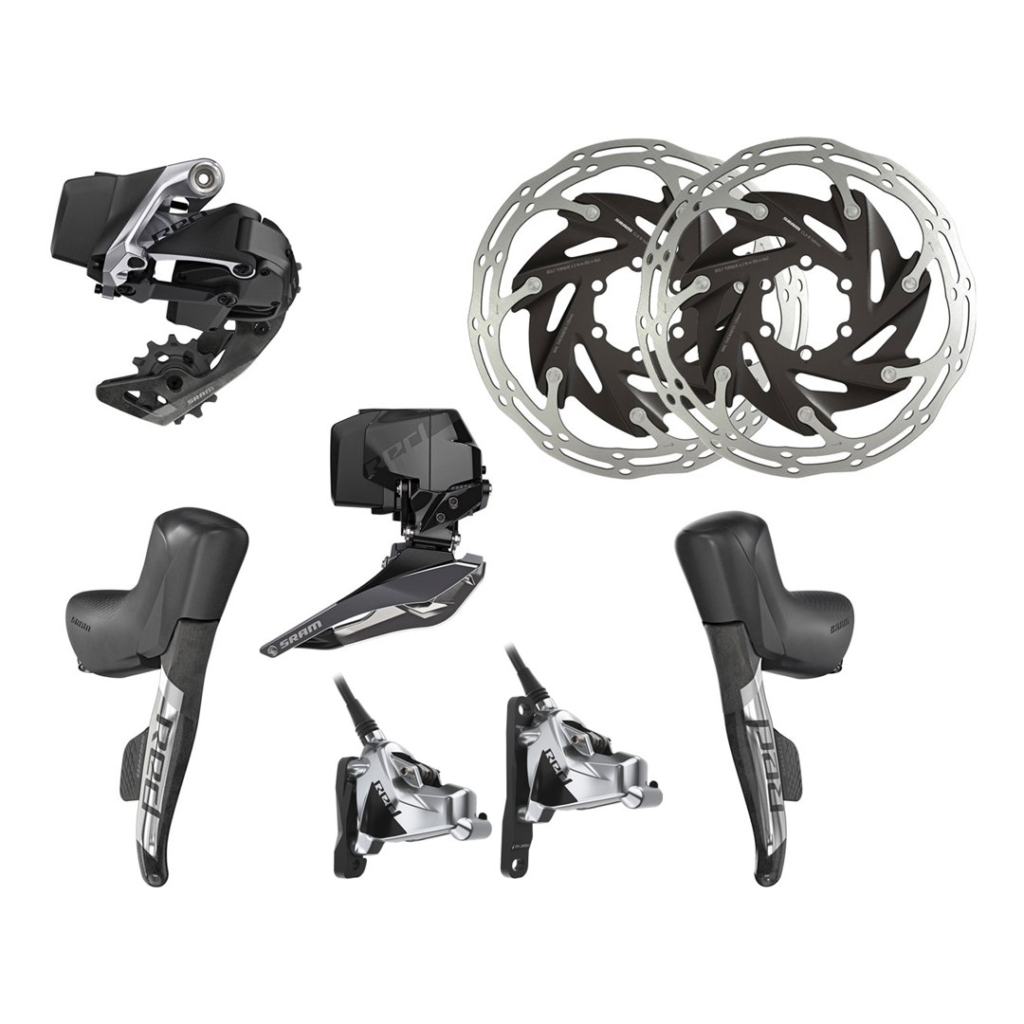
Features: The hydraulic disc brake system provides high performance and low weight. It offers quick and precise braking, ensuring superior performance in racing conditions. Additionally, it operates wirelessly with SRAM’s eTap technology.
Why This Brake? Ideal for racers seeking a brake system that delivers top performance and lightweight efficiency.
Shimano Dura-Ace BR-R9170 Disc Brake
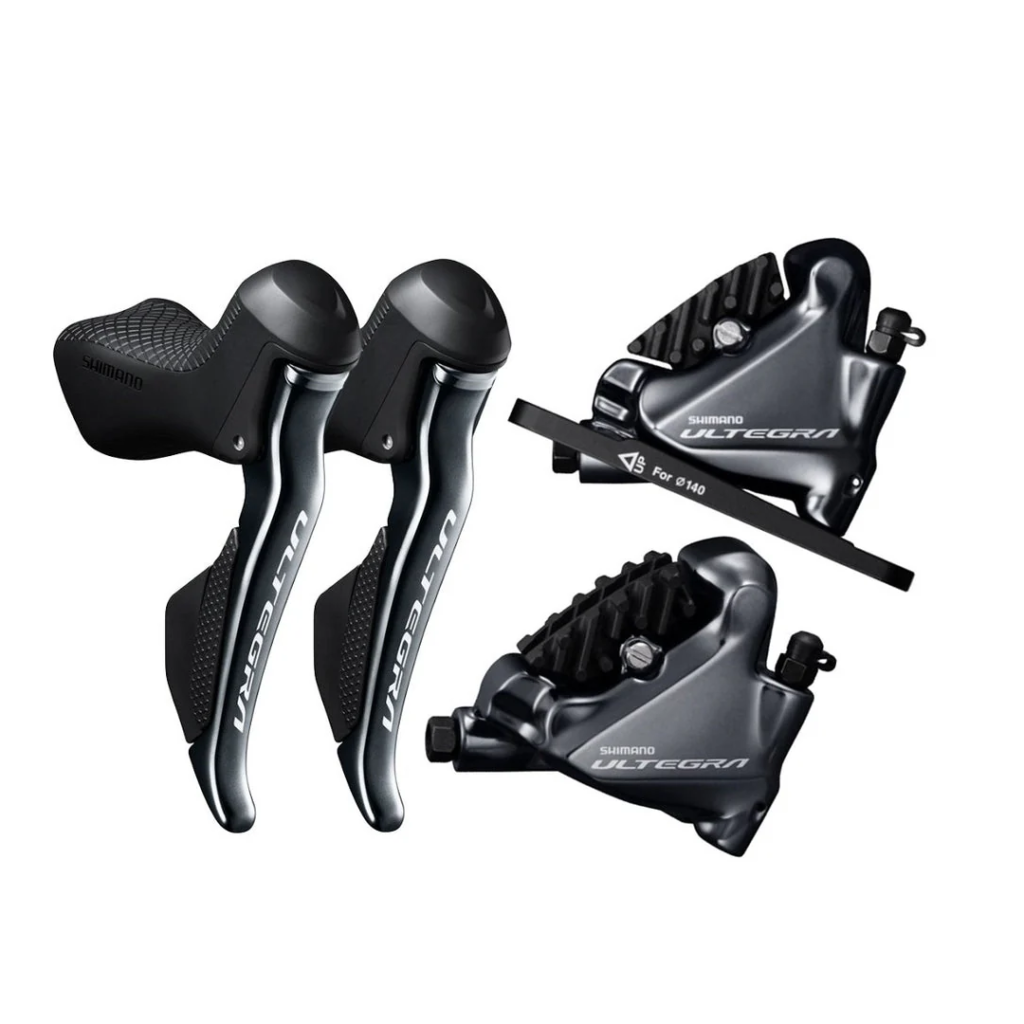
Features: Shimano’s top-tier hydraulic disc brake system features an aerodynamic design and high braking power, delivering maximum performance in racing conditions.
Why This Brake? One of the best choices for professional racers and cyclists looking for high performance.
These brake recommendations are optimized according to e-bike users’ riding styles and needs. When choosing a brake system, selecting the model that suits your bike’s intended use will enhance your riding safety and enjoyment.
Bike Chain Recommendations
Choosing the right chain for e-bike riding is crucial for the bike’s performance and longevity. As the key component in power transmission, it is important to select a chain that is durable, high-quality, and suited to your specific needs. Here are the best bike chain recommendations for different requirements:
1. Chains for City and Daily Use
KMC X8.93
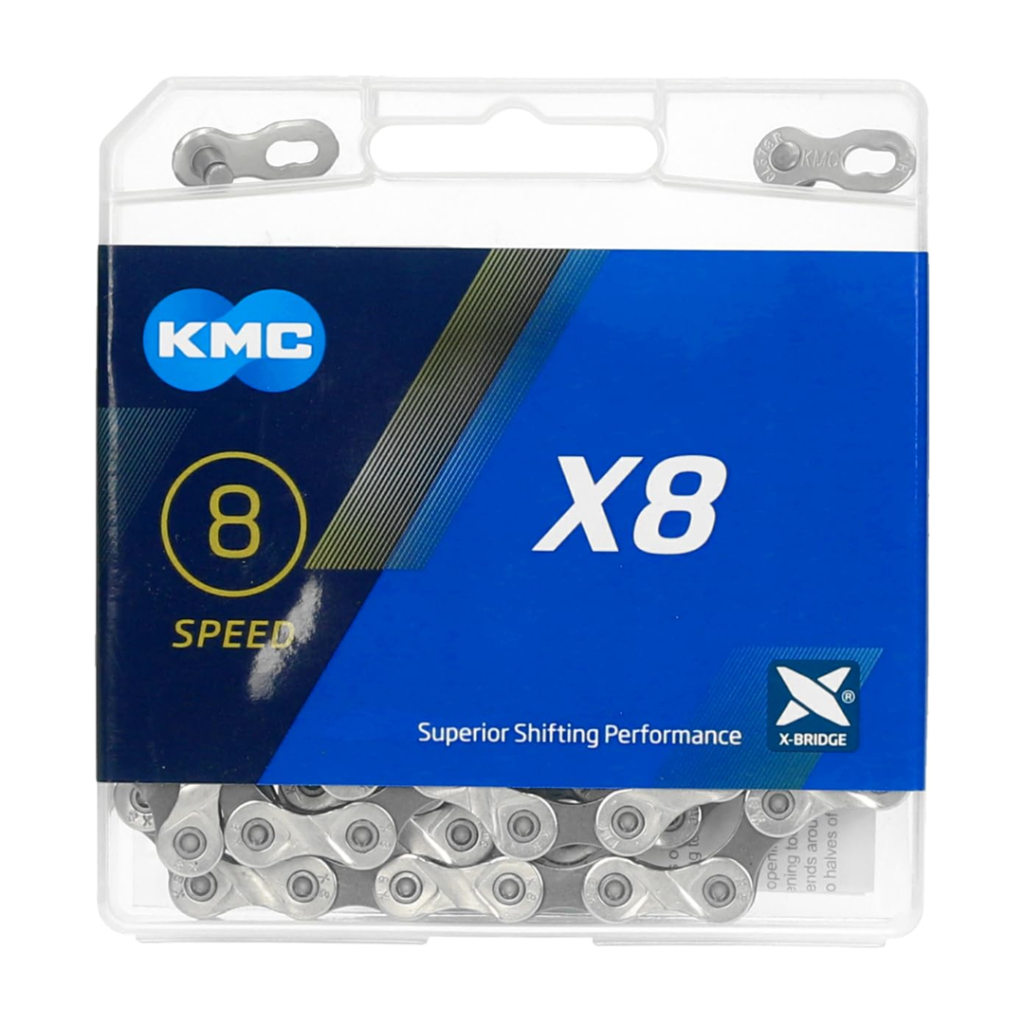
Features: This 8-speed chain offers excellent durability and performance. It is resistant to corrosion and provides long-lasting use. It is ideal for city and daily riding.
Why This Chain? A great choice for those seeking a reliable and durable chain for city use.
Shimano HG40
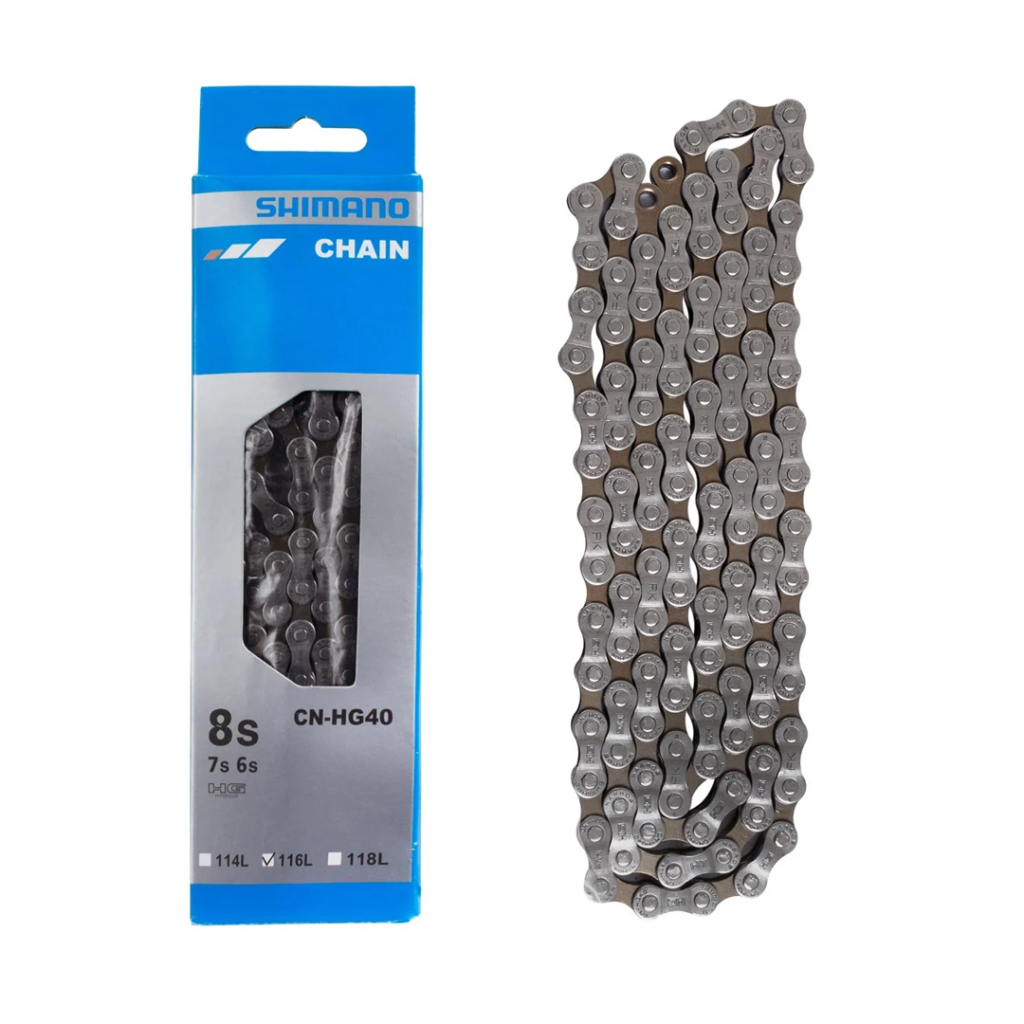
Features: Compatible with 6, 7, and 8-speed systems, this chain provides smooth and quiet gear shifts. It also features a corrosion-resistant coating for long-term use.
Why This Chain? Perfect for riders who trust Shimano’s quality for daily use.
2. Chains for Mountain Biking and Off-Road Use
SRAM PC-1130
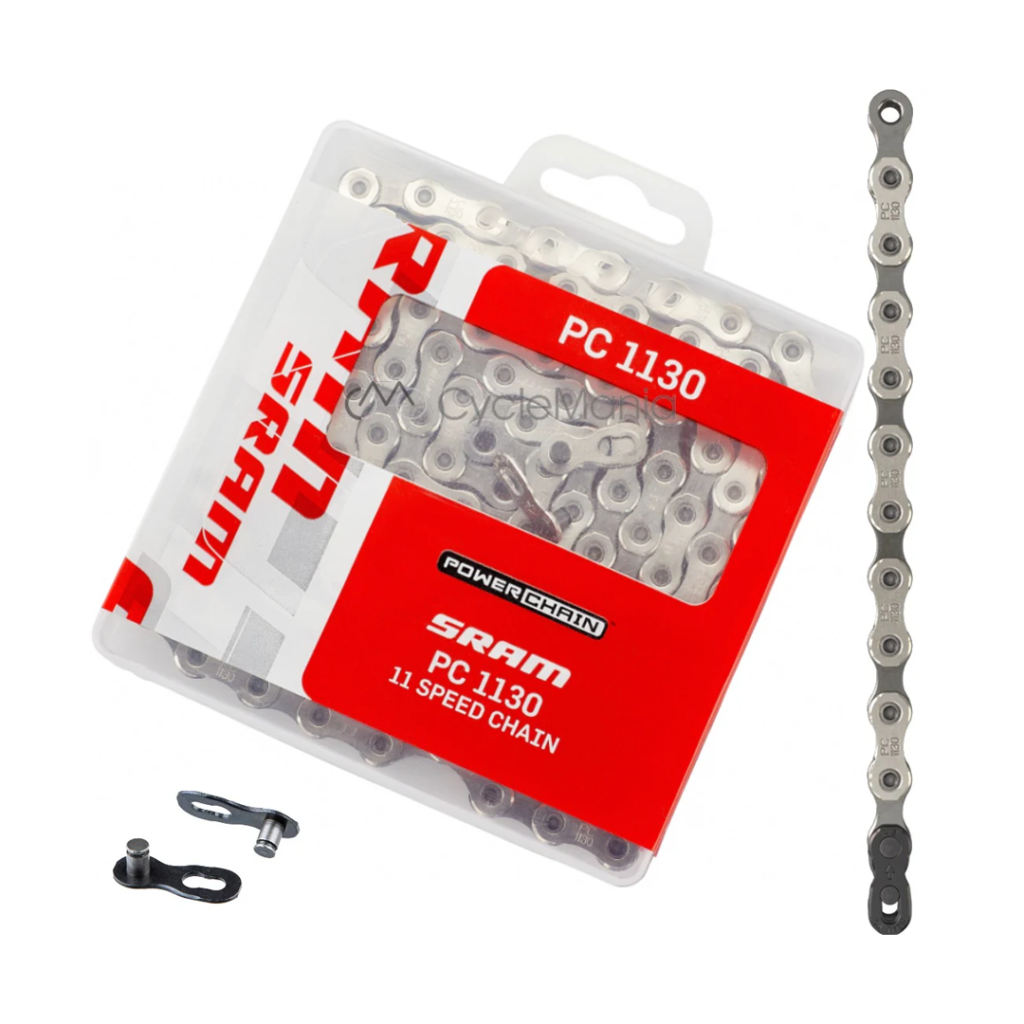
Features: This 11-speed chain is known for its lightweight and durable construction. It provides high performance in off-road riding and can be easily installed with the PowerLock connector.
Why This Chain? Ideal for those seeking a reliable and durable chain for tough terrain conditions.
KMC X11.93
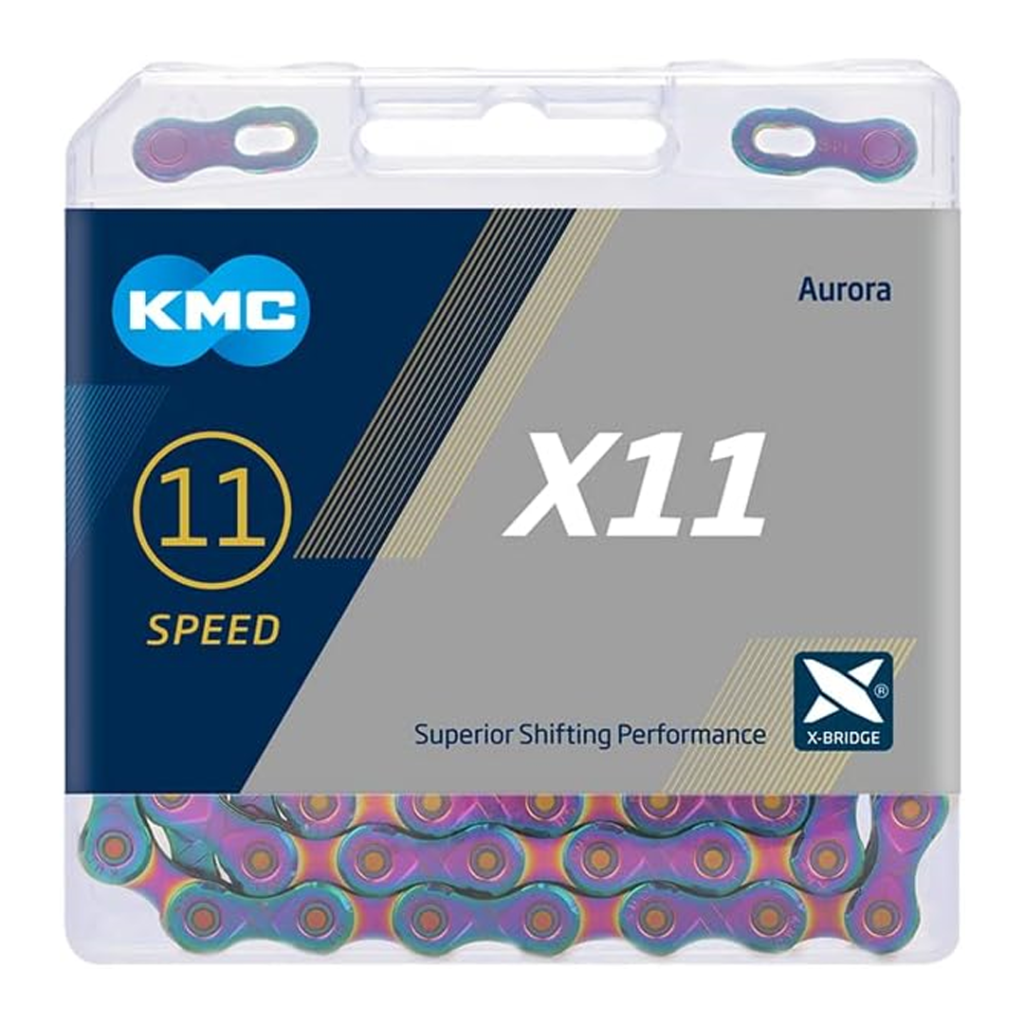
Features: This 11-speed chain is designed to withstand harsh conditions. Its extra-durable construction and water-resistant coating ensure long-lasting performance in off-road riding.
Why This Chain? Perfect for those who need extra durability and reliability in off-road riding.
3. Chains for Racing and Performance
Shimano Dura-Ace/XTR HG901
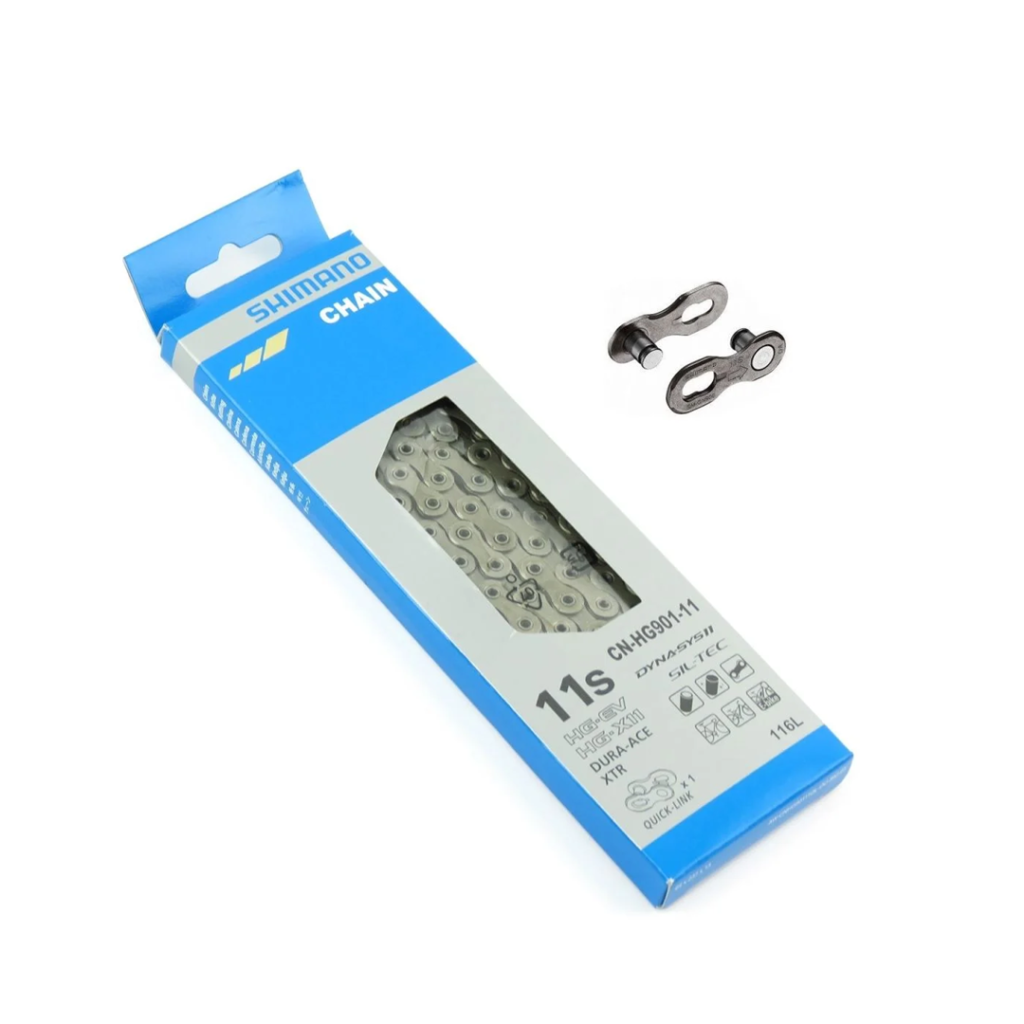
Features: Designed for 11-speed systems, this chain is both lightweight and strong. It features Dyna-Sys and Hyperglide technologies for ultra-smooth gear transitions.
Why This Chain? Ideal for riders seeking lightweight and smooth gear shifts in racing and high-performance conditions.
SRAM RED 22 Chain
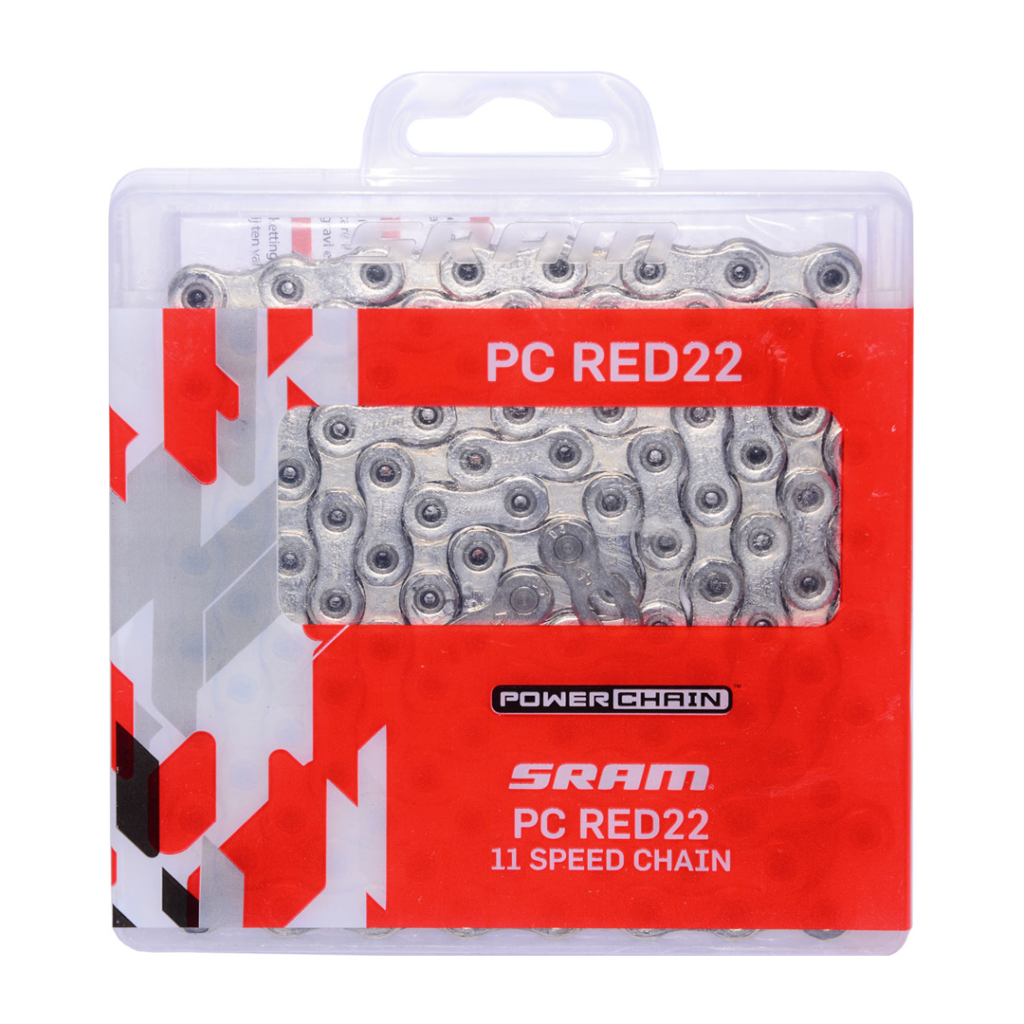
Features: Suitable for 11-speed systems, this chain features HollowPin technology, making it lightweight and strong. It also offers high corrosion resistance due to its nickel plating.
Why This Chain? A great choice for racers seeking a lightweight chain that offers both high performance and durability.
4. Chains for Electric Bikes
KMC e11 EPT
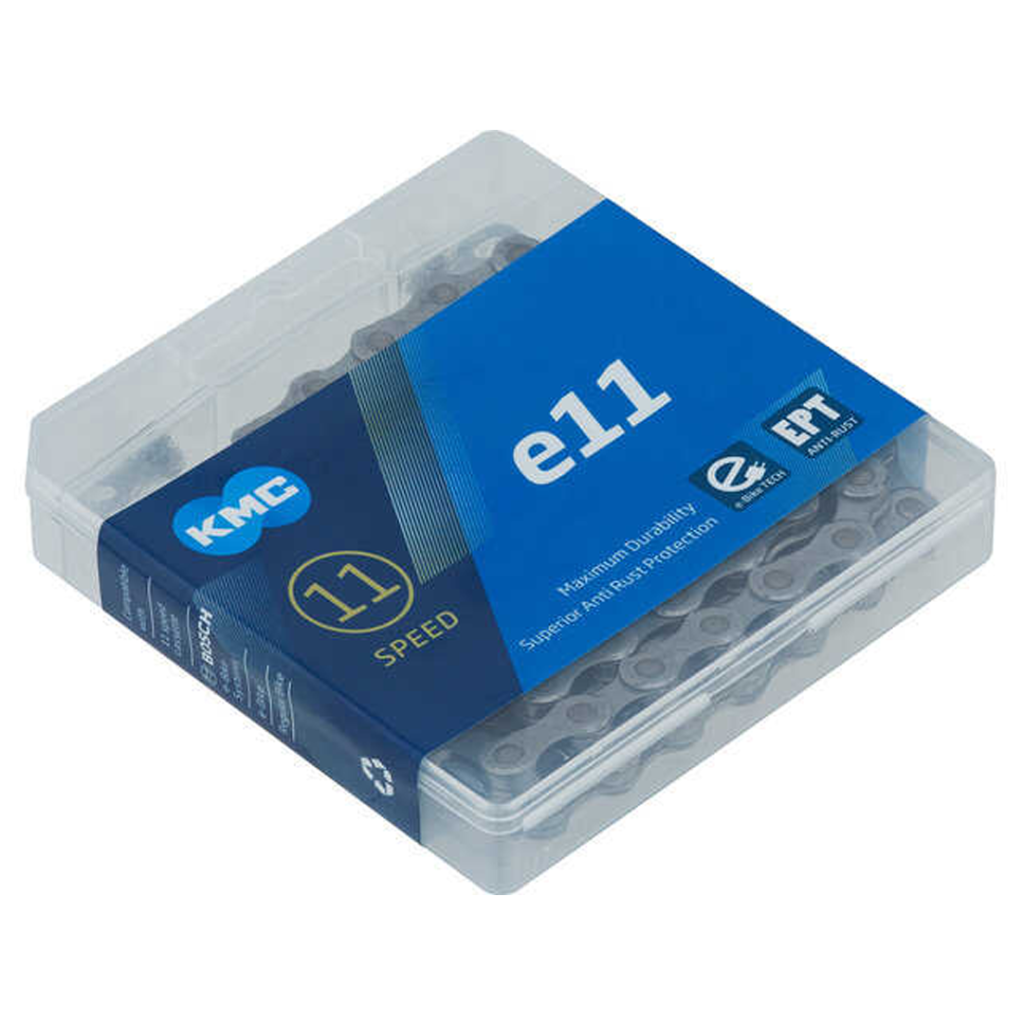
Features: This chain is specially designed for electric bikes and is compatible with 11-speed systems. The EPT (EcoProTeQ) coating makes it resistant to rust and is reinforced for high-torque riding.
Why This Chain? Ideal for those who need a chain designed specifically for the high torque and durability required by electric bikes.
Shimano CN-E8000
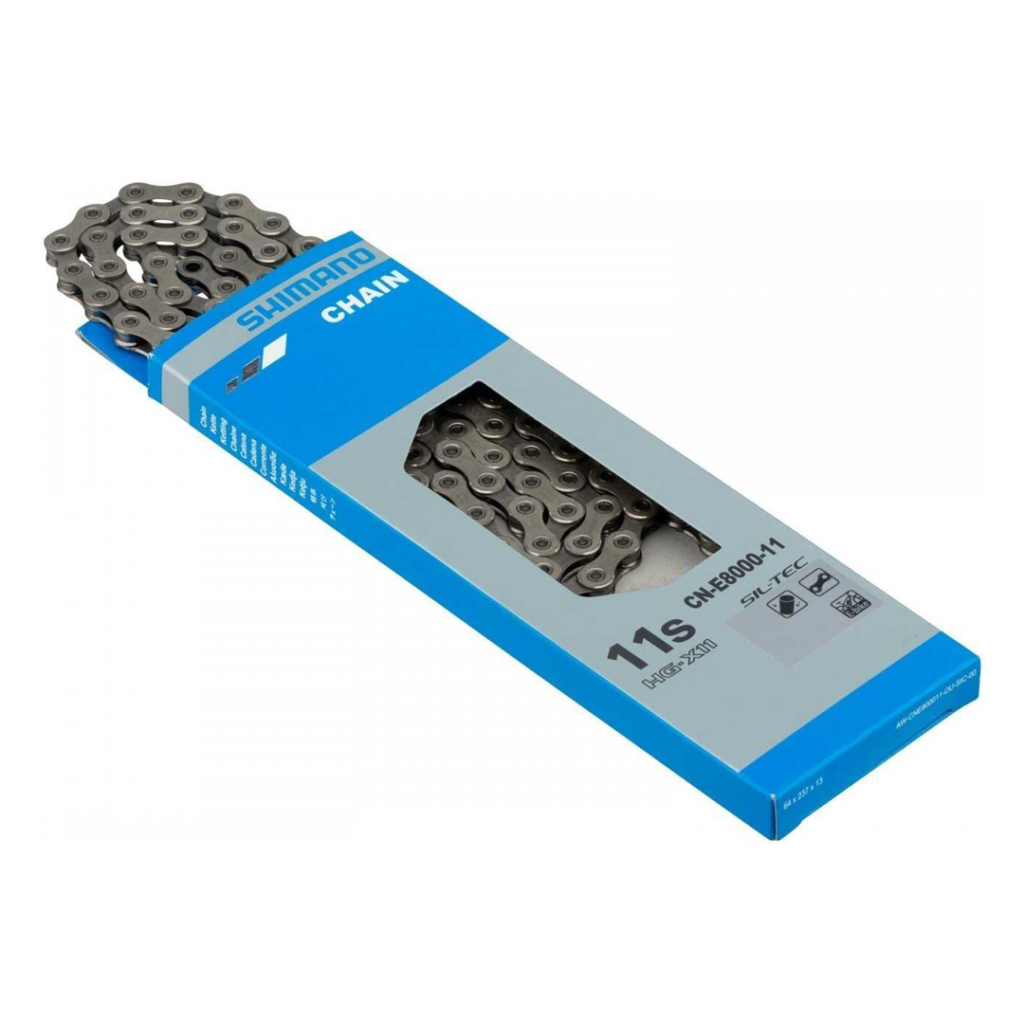
Features: Shimano’s E8000 series is specifically designed for e-bikes and is compatible with 11-speed systems. It offers superior performance and long-lasting durability, even in harsh conditions.
Why This Chain? Perfect for electric bike riders who need extra durability and performance.
These chain recommendations are optimized for different riding conditions and types of bikes. When choosing a chain, it’s important to consider your bike’s gear system, riding conditions, and personal needs. A high-quality chain will enhance your bike’s performance and provide long-lasting use.
Fender Recommendations
In e-bike riding, especially in bad weather conditions and on wet surfaces, using fenders is crucial to protect both your bike and your clothes. Here are the best fender recommendations for different needs and use cases:
1. Fenders for City and Daily Use
SKS Bluemels
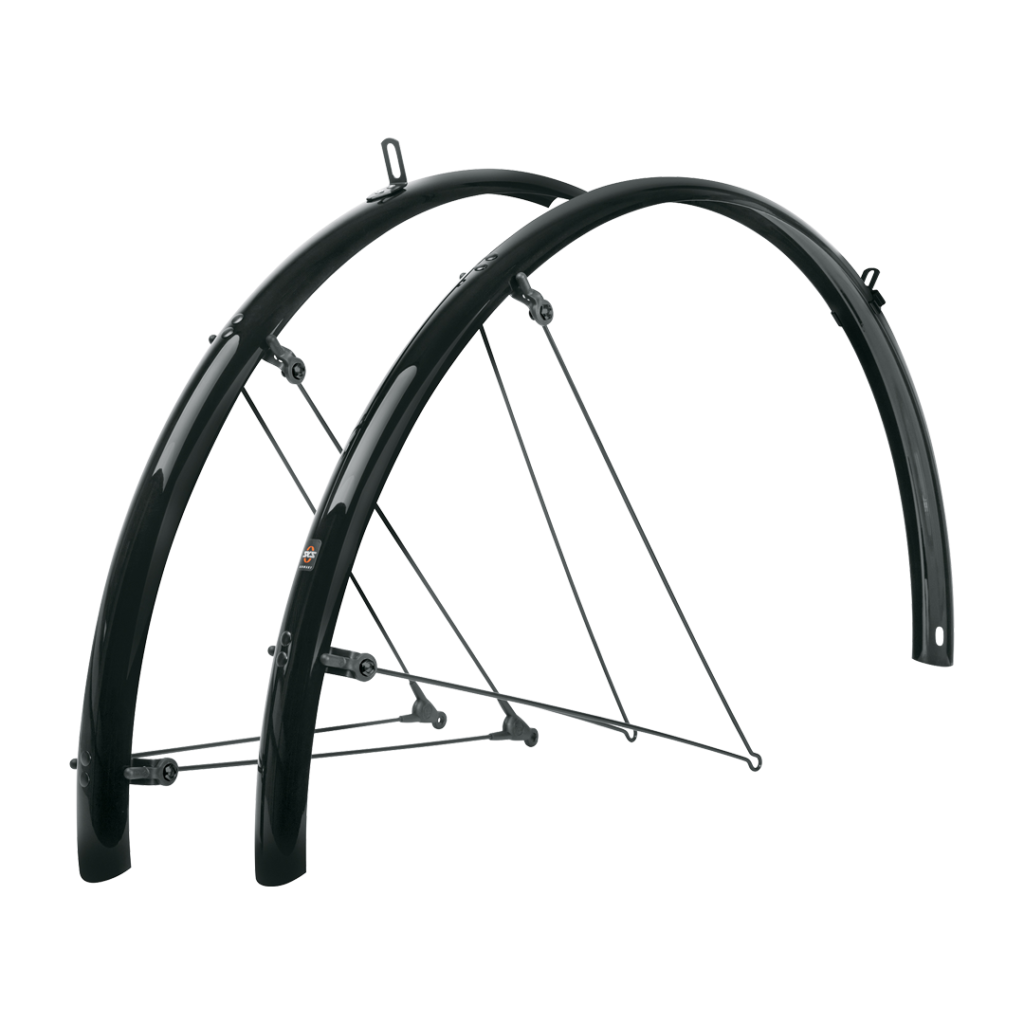
Pros: The lightweight and durable aluminum/plastic composite construction ensures long-lasting use. Ideal for city use, its wide surface provides maximum protection.
Cons: Installation can be somewhat complex on some bikes.
Why This Fender? It is an excellent choice for those seeking full protection for both front and rear wheels in daily city riding.
Bontrager NCS Fender Set
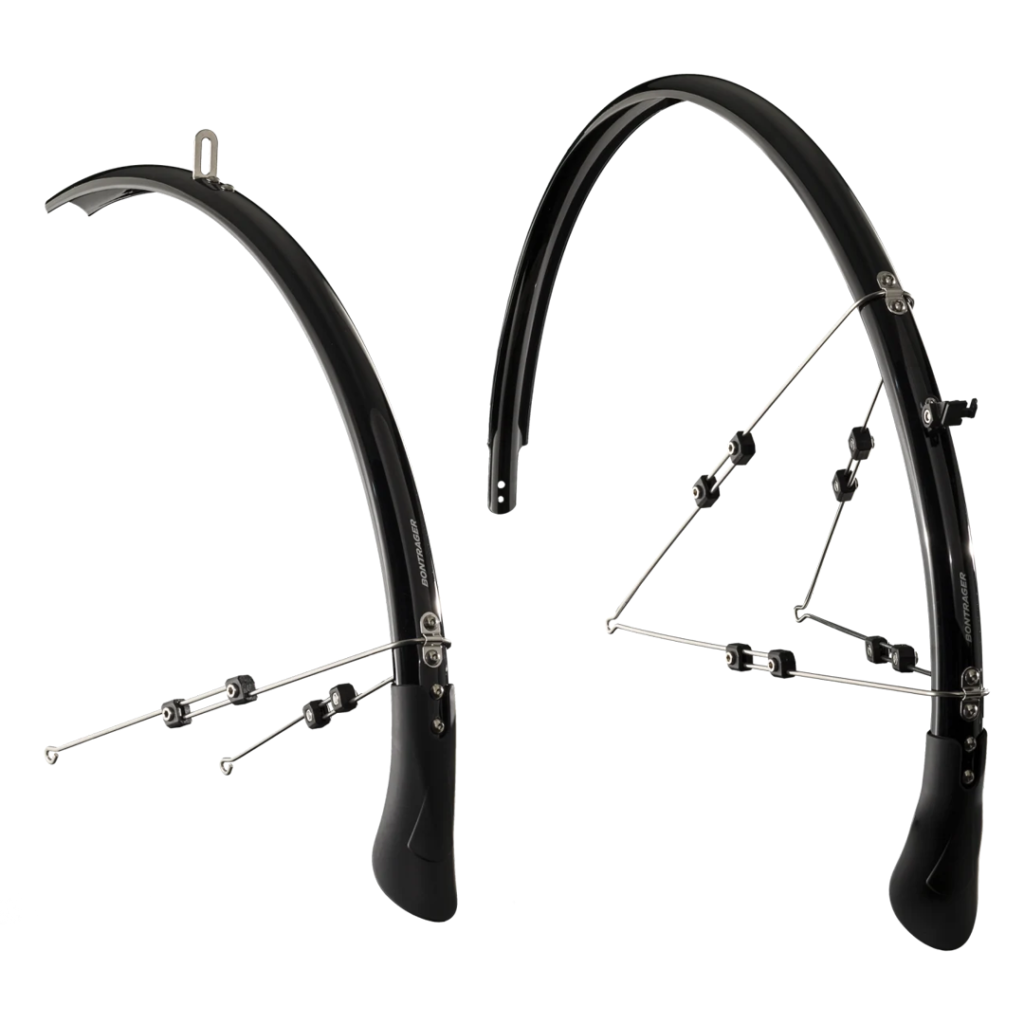
Pros: Offers practical use with easy installation and a detachable design. It is long-lasting with stainless steel hardware and durable plastic material.
Cons: It may be slightly more expensive than other options.
Why This Fender? Ideal for those looking for a stylish and durable option for city use.
Mucky Nutz Fat Face Fender
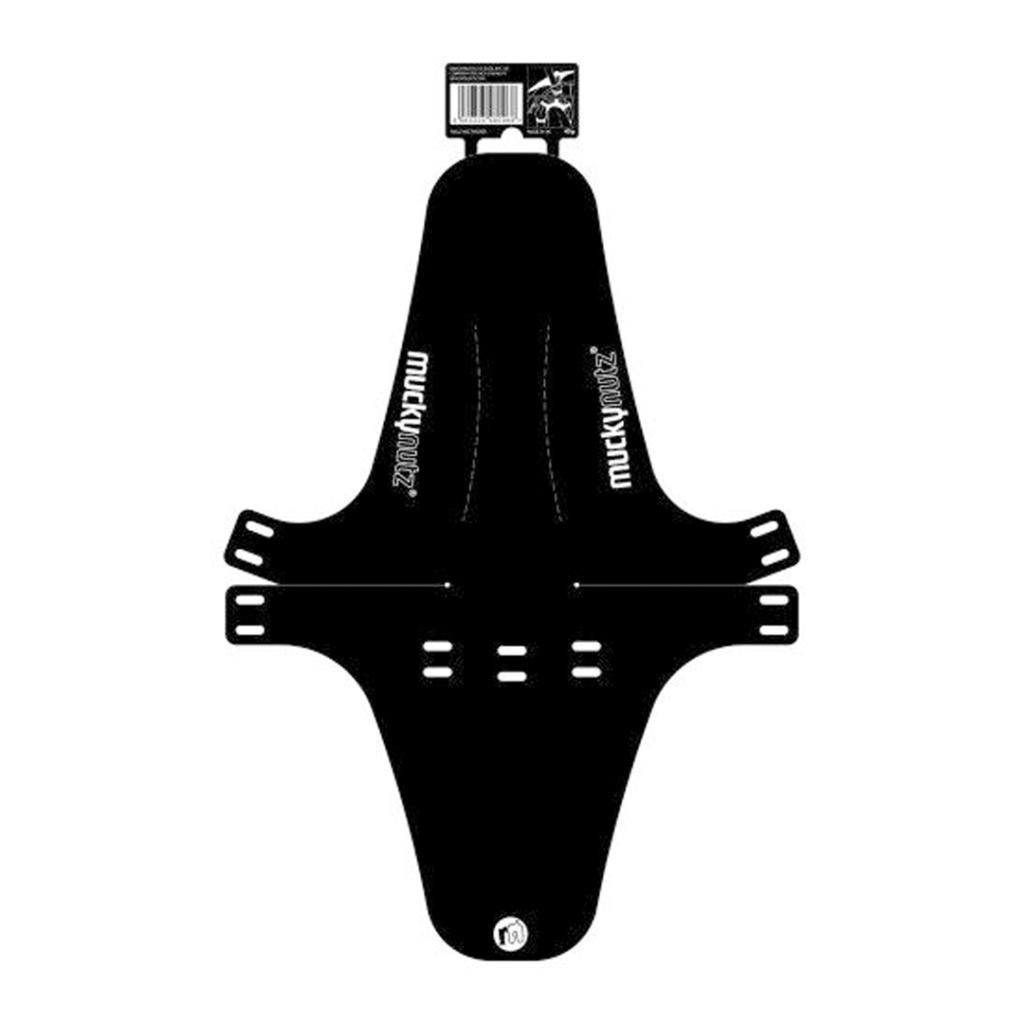
Pros: Its flexible and lightweight design provides maximum protection without adding extra weight to the bike. Effectively prevents mud and water splashes.
Cons: Suitable only for the front wheel, so an additional fender is needed for rear wheel protection.
Why This Fender? Perfect for mountain bikers and off-road riders looking for a lightweight but effective front fender.
Zefal Deflector FM60
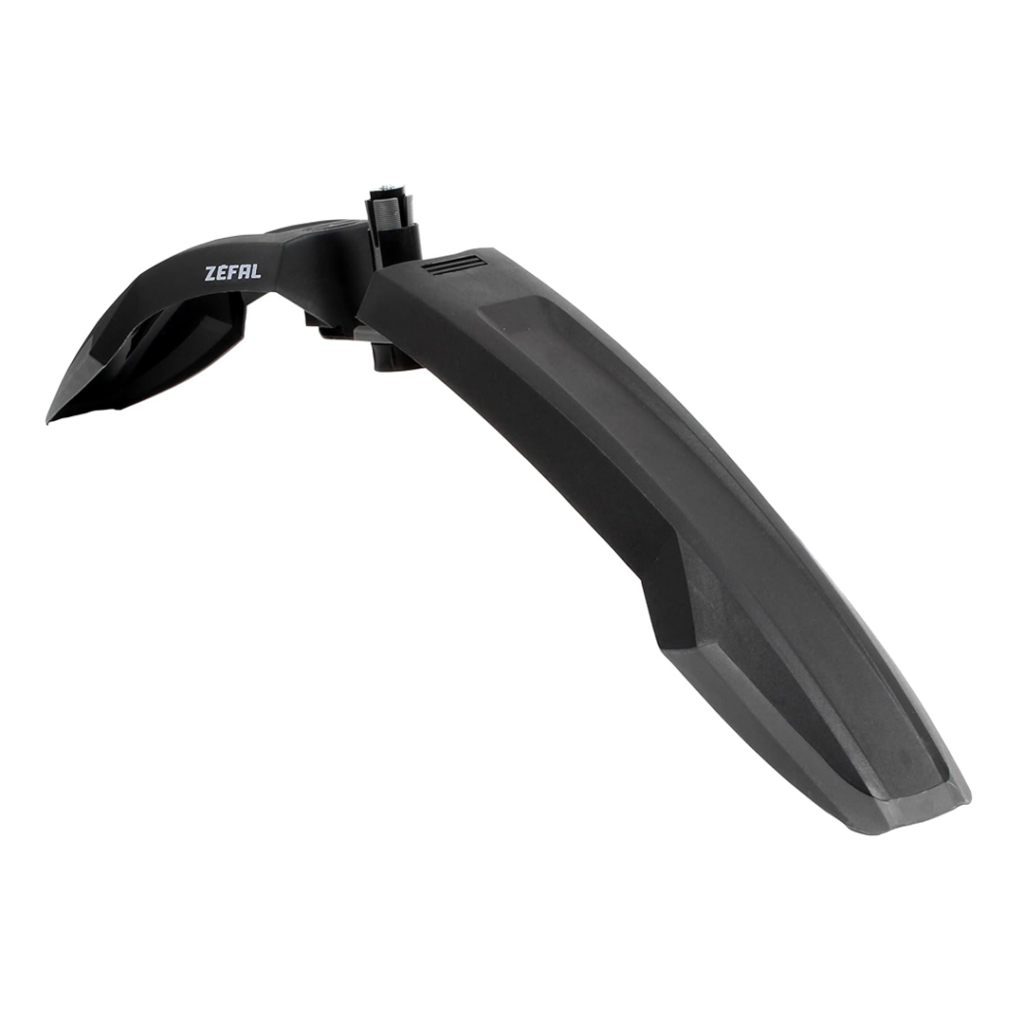
Pros: Its wide design provides effective protection, especially in muddy and wet conditions. It can be easily attached and removed with a quick-release system.
Cons: Does not provide rear wheel protection, so an additional fender may be necessary.
Why This Fender? Ideal for those who want to enhance front wheel protection in challenging terrain conditions.
3. Fenders for Touring and Long-Distance Rides
SKS Longboard
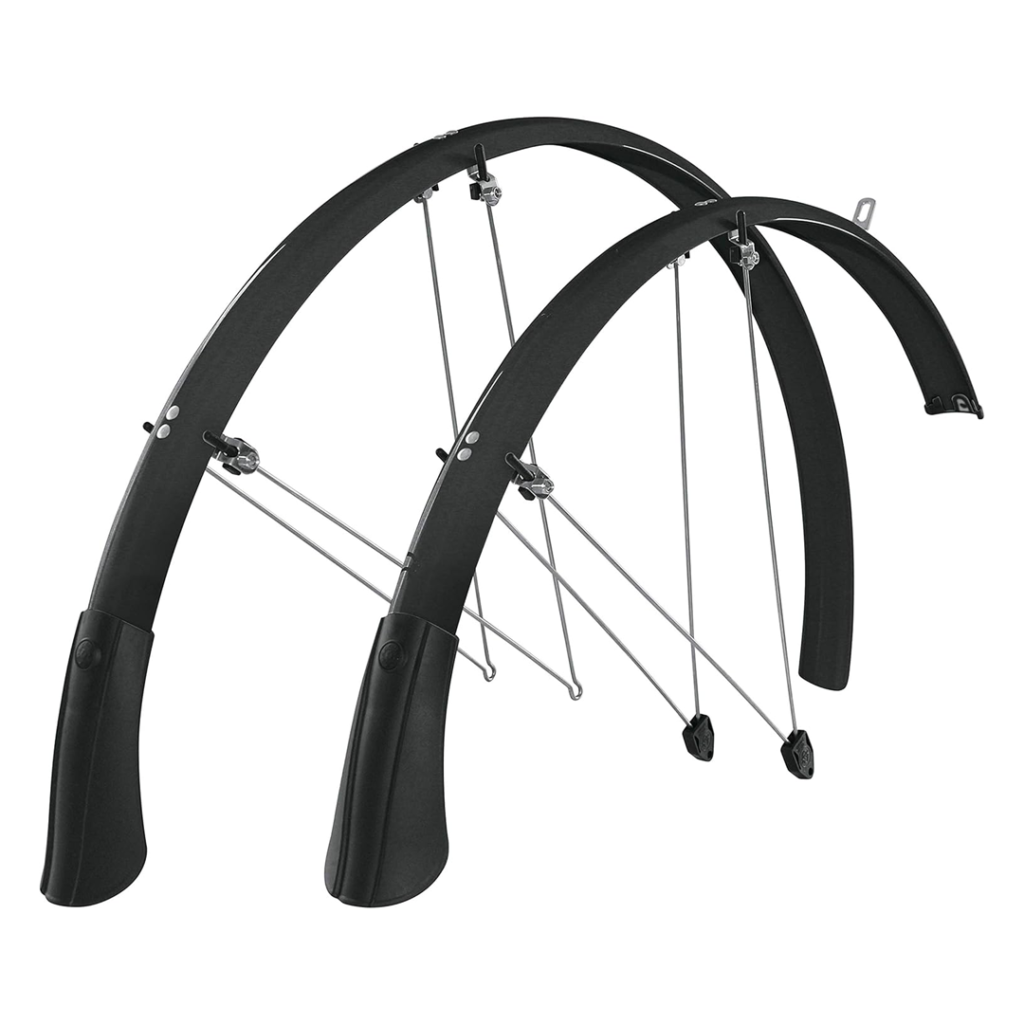
Pros: Its extra-long design fully protects both the rider and the underside of the bike. The high-quality aluminum/plastic mix is both lightweight and durable.
Cons: Installation may take more time compared to other fenders due to its length.
Why This Fender? A perfect choice for those seeking full protection and durability on long-distance rides.
Topeak Defender M1/XC1
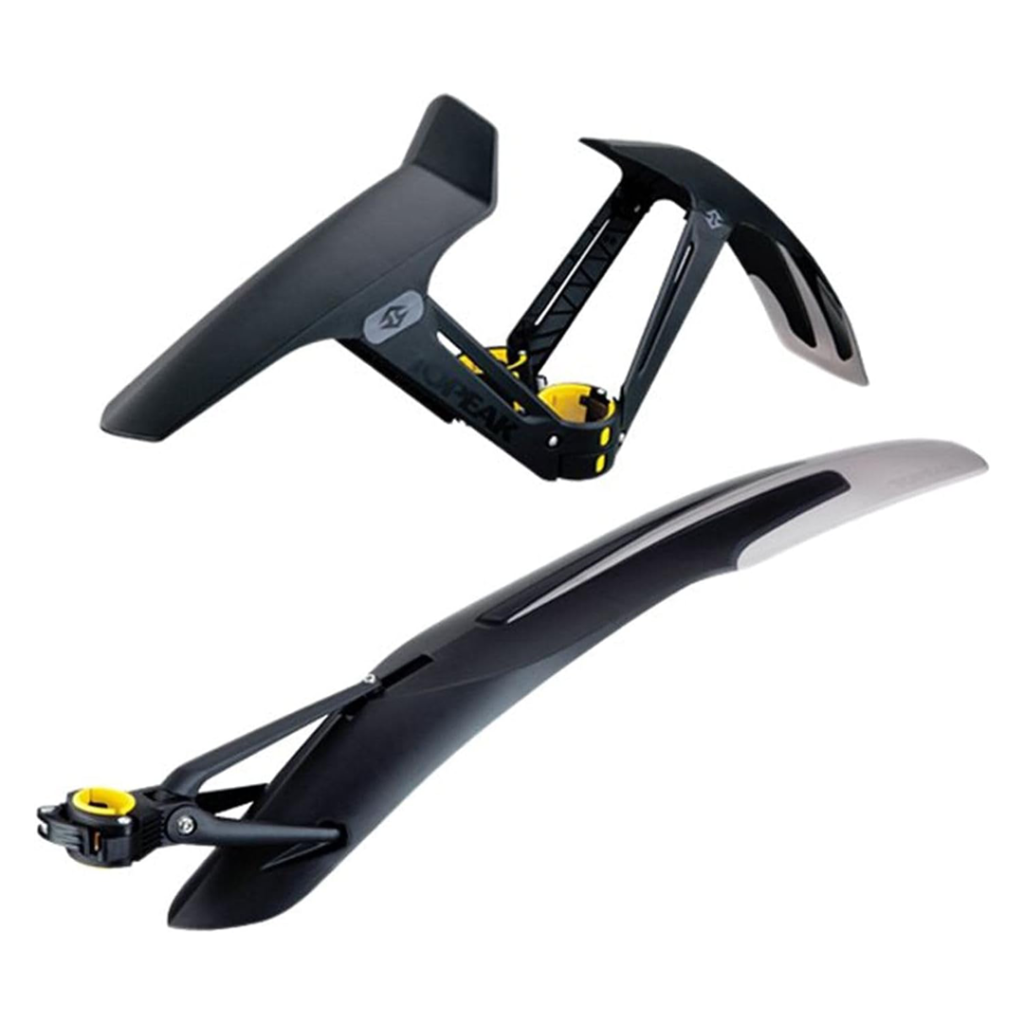
Pros: Provides protection for both front and rear wheels. It is durable and long-lasting with an easy mounting system. Designed especially for touring and off-road riding.
Cons: Installation can be complex on some bike models.
Why This Fender? Ideal for those looking for durable and effective protection on long-distance rides.
4. Fenders for Performance and Lightweight Use
Ass Savers Regular
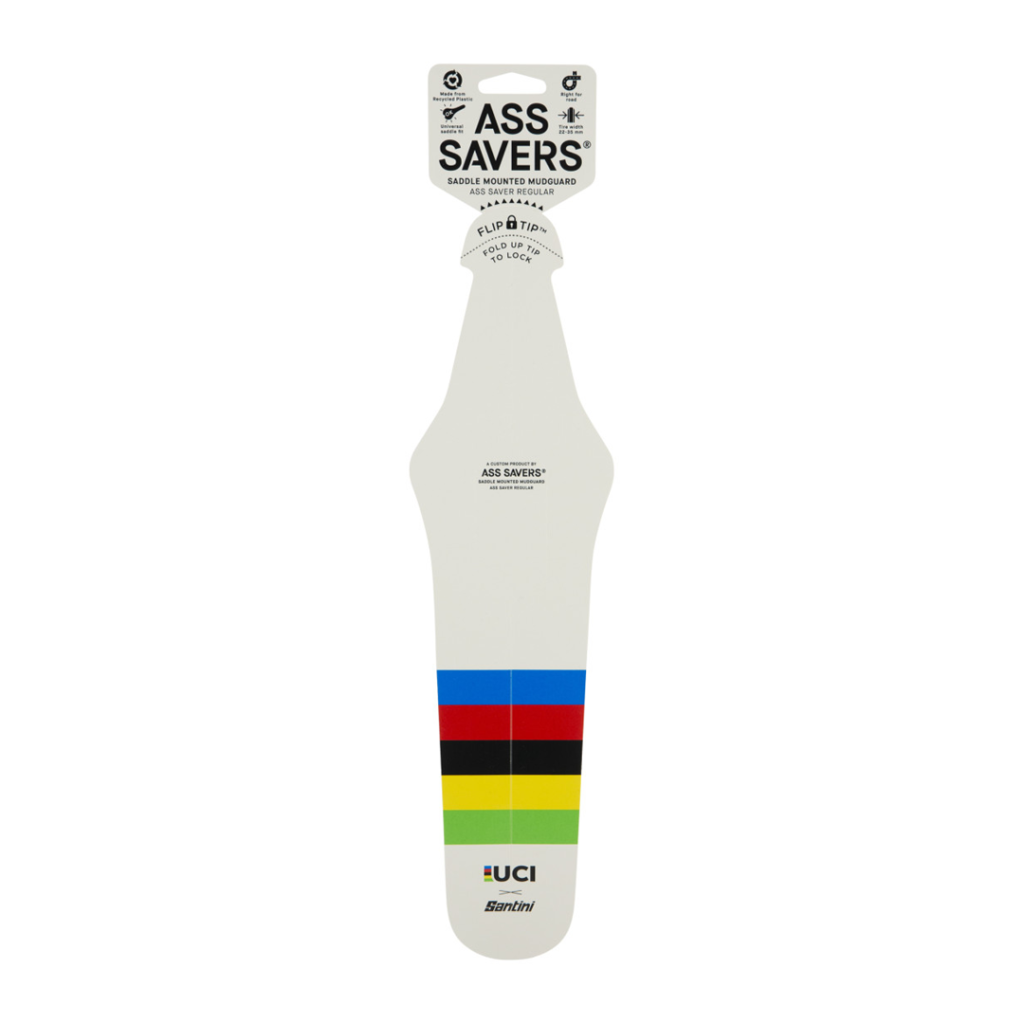
Pros: Offers a lightweight and portable solution. It can be easily folded and used when needed. Its simple design is ideal for performance-focused cyclists.
Cons: Provides protection only for the rear wheel and offers limited coverage.
Why This Fender? A perfect solution for performance cyclists looking for lightweight and portable protection.
These fender recommendations are selected to suit different riding styles and needs. Each one is designed to keep your bike and clothes clean, providing a more comfortable riding experience.
Bike Pump Recommendations
Maintaining the correct tire pressure in e-bike riding is crucial for performance and safety. Here are the best pump recommendations for different usage scenarios:
1. Portable Pumps
Lezyne Micro Floor Drive HV
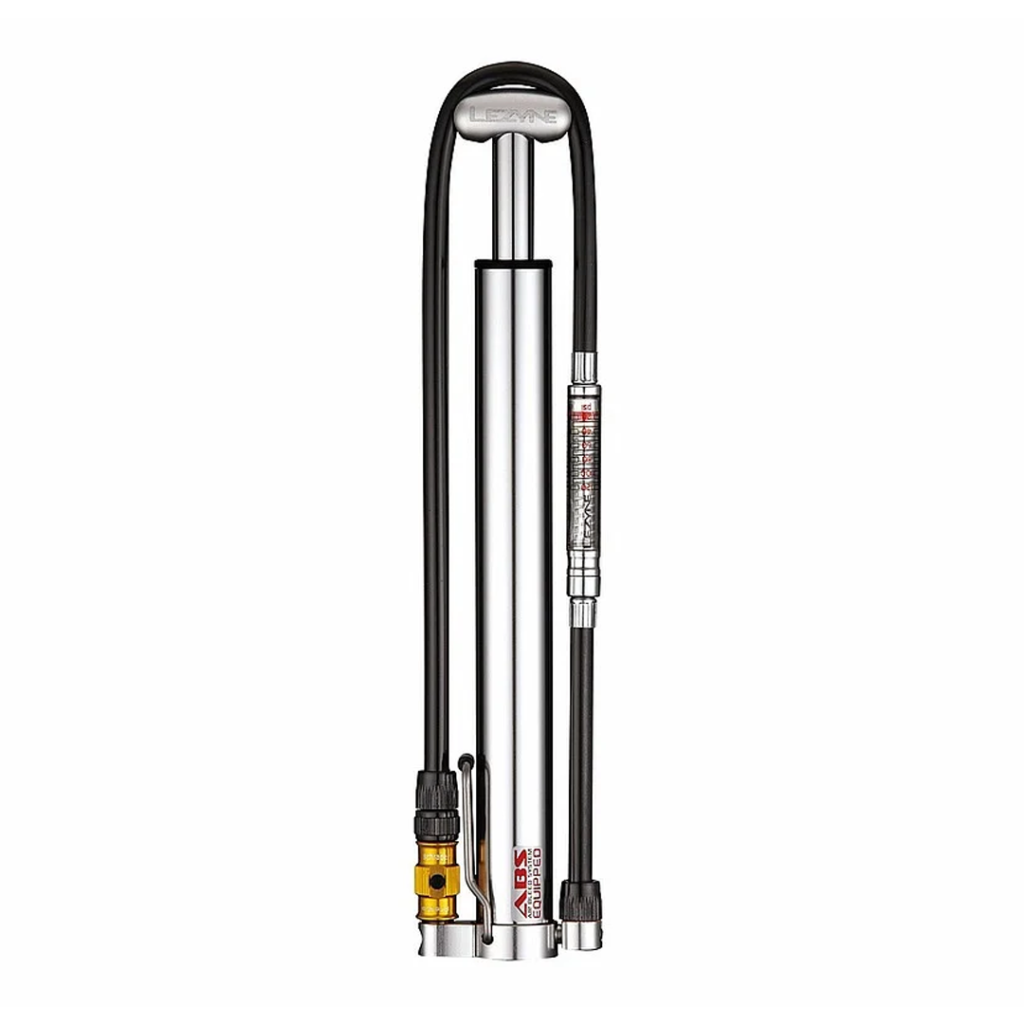
Pros: Despite its small size, it can quickly inflate high-volume tires. The floor pump design allows for more comfortable and effective inflation. Its durable aluminum body ensures long-lasting use.
Cons: It may be slightly larger and heavier compared to other portable pumps.
Why This Pump? Ideal for those looking for a portable yet powerful pump. It’s an excellent solution for high-volume tires.
Topeak Road Morph G
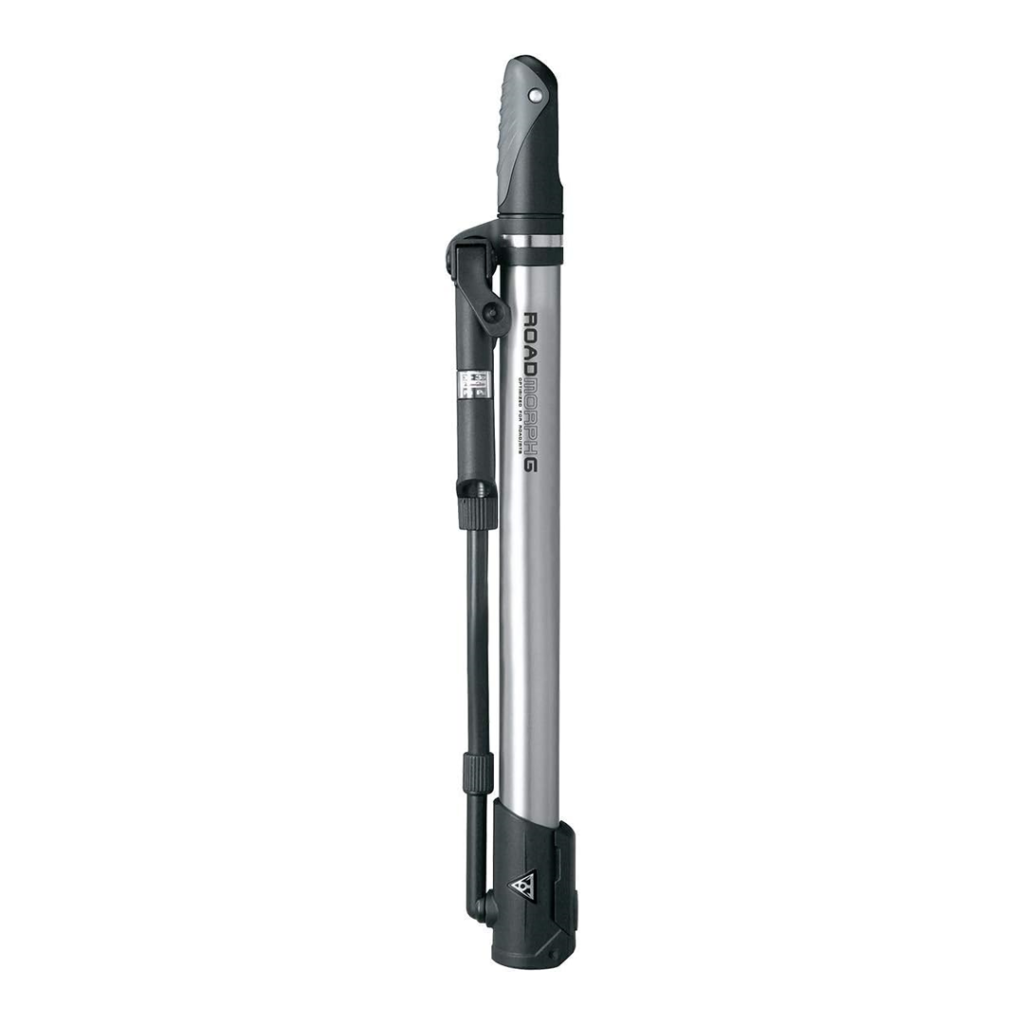
Pros: The integrated gauge allows you to accurately set the tire pressure. Although portable, it can be used like a floor pump with its fold-out foot support.
Cons: Its larger size may not be suitable for those looking for a lightweight and compact pump.
Why This Pump? In addition to being portable, it provides effective inflation even in high-pressure situations.
2. Floor Pumps
Specialized Air Tool Comp
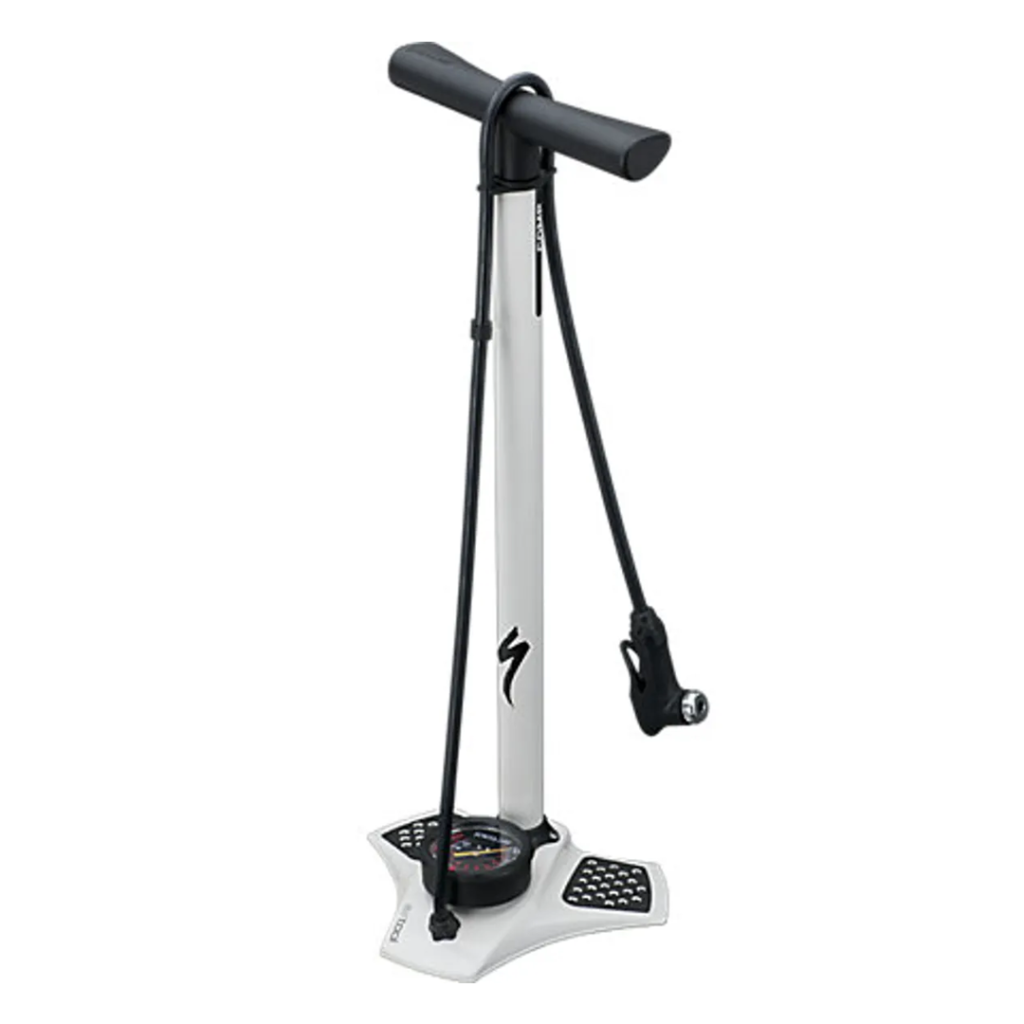
Pros: The large gauge makes it easy to read the pressure. Its sturdy metal body and wide base provide fast and comfortable inflation. It’s compatible with both Presta and Schrader valves.
Cons: Not ideal for portability; best suited for home use.
Why This Pump? If you’re looking for a durable and reliable floor pump for home use, this model delivers high performance.
Bontrager Dual Charger Floor Pump
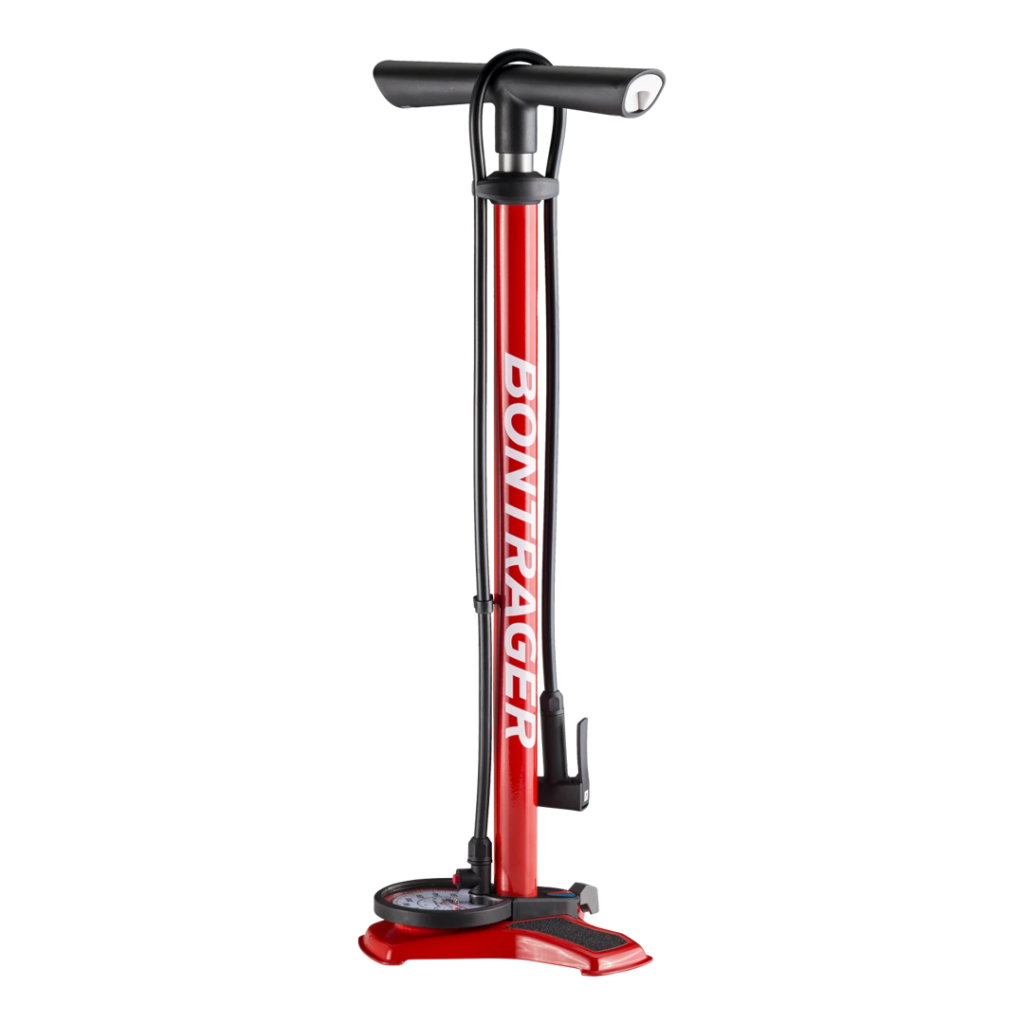
Pros: Offers two different modes for both high-volume and high-pressure tires. Its ergonomic design and easily readable gauge provide practical use.
Cons: Due to its large size, it’s not portable and is more suitable for home or garage use.
Why This Pump? Its dual-function design makes it an ideal solution for different types of tires. It’s a versatile option for e-bikes.
3. CO2 Pumps
Pro Bike Tool CO2 Inflator
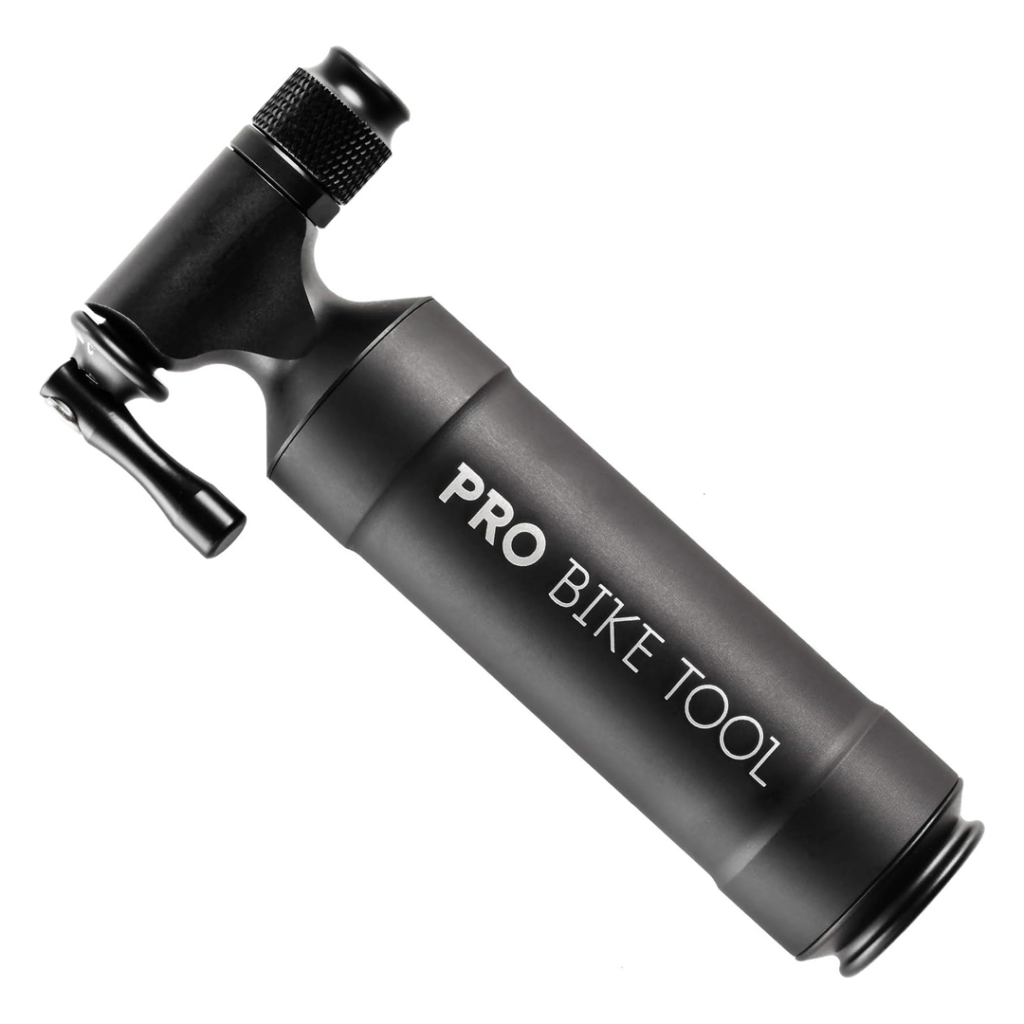
Pros: Provides quick and practical inflation, making it ideal for races or emergencies. Its small and lightweight design makes it easy to carry. The durable aluminum body ensures long-lasting use.
Cons: Once the CO2 cartridges are used up, they need to be refilled, which can be a disadvantage on long rides.
Why This Pump? It’s an excellent choice for racers and emergencies seeking a quick solution. Its portability is a standout feature.
Lezyne Control Drive CO2
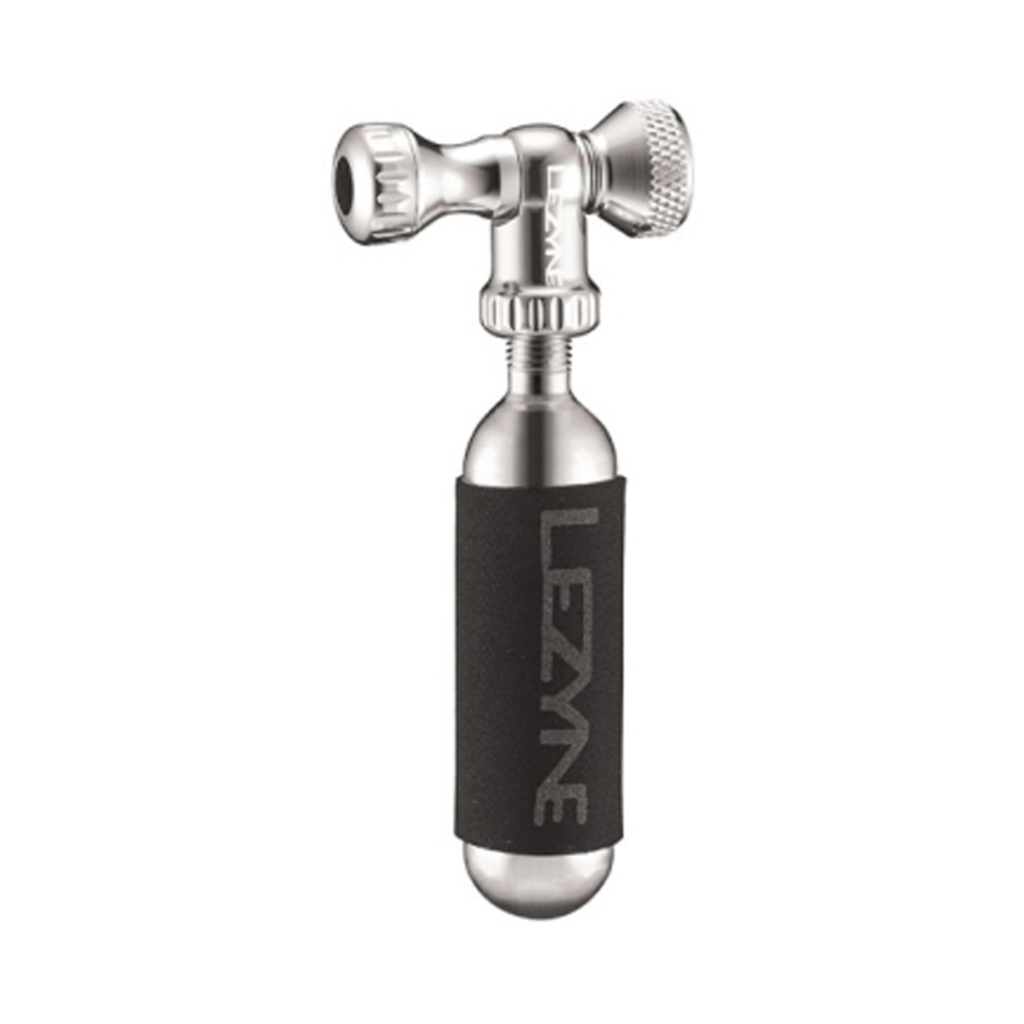
Pros: Equipped with an adjustable valve for precise pressure control. Its compact and lightweight design makes it easy to carry. It’s a durable and reliable CO2 pump.
Electronic Components
When it comes to e-bikes, electronic components play a crucial role in enhancing the overall riding experience. These components not only provide critical performance data but also ensure that the e-bike operates efficiently and quietly. Let’s dive deeper into the recommended electronic components and why they are essential for your e-bike:
1. Cycle Analyst V3
Features and Benefits:
- High Precision: The Cycle Analyst V3 is a sophisticated onboard computer that provides detailed real-time data such as speed, power, voltage, and current. It allows riders to monitor their performance with high precision, making it an invaluable tool for those who want to optimize their e-bike rides.
- Customizability: This device is highly customizable, allowing you to set various parameters like throttle response and speed limits. It can also interface with different e-bike systems, adding versatility to its use.
Regenerative Braking Control: For e-bikes with regenerative braking capabilities, the Cycle Analyst V3 can manage and optimize the braking process, improving efficiency.
Considerations:
- Compatibility: Not all e-bikes are compatible with the Cycle Analyst V3. It may require specific wiring and setup, which could be complex for some users.
- Cost: Due to its advanced features, the Cycle Analyst V3 is more expensive than simpler bike computers.
2. KT-LCD3 Display
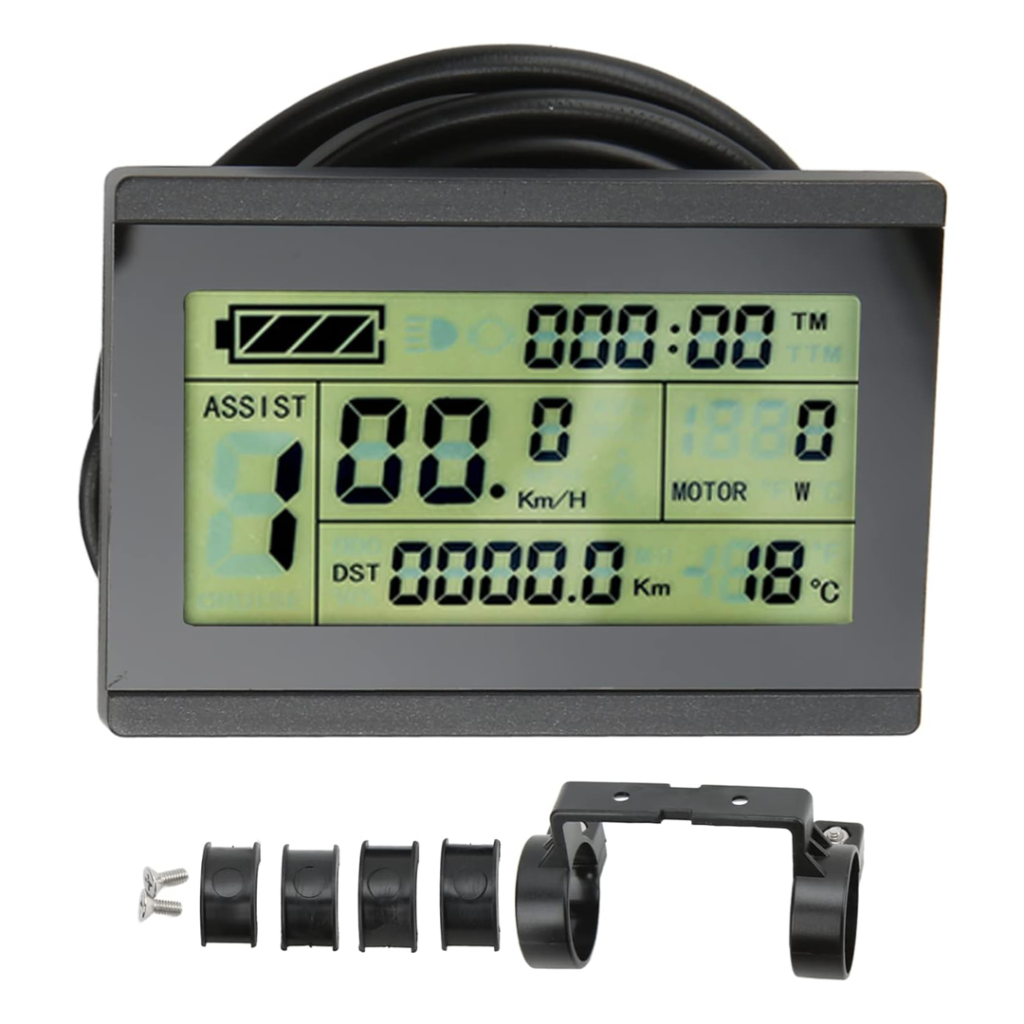
Features and Benefits:
- User-Friendly Interface: The KT-LCD3 display is known for its easy-to-read screen and user-friendly interface. It provides essential information such as speed, battery level, distance traveled, and more.
Customizable Settings: Riders can adjust parameters like speed limits, PAS (Pedal Assist System) levels, and motor power output directly through the display. This allows for a more personalized riding experience.
Wide Compatibility: The KT-LCD3 is compatible with many different controllers and motors, making it a versatile choice for various e-bike setups.
Considerations:
- Design: While functional, the design might not appeal to all users, especially those looking for a more modern or streamlined look.
- Complexity: Setting up and configuring all the available options may require some technical knowledge.
3. Sinewave Controllers
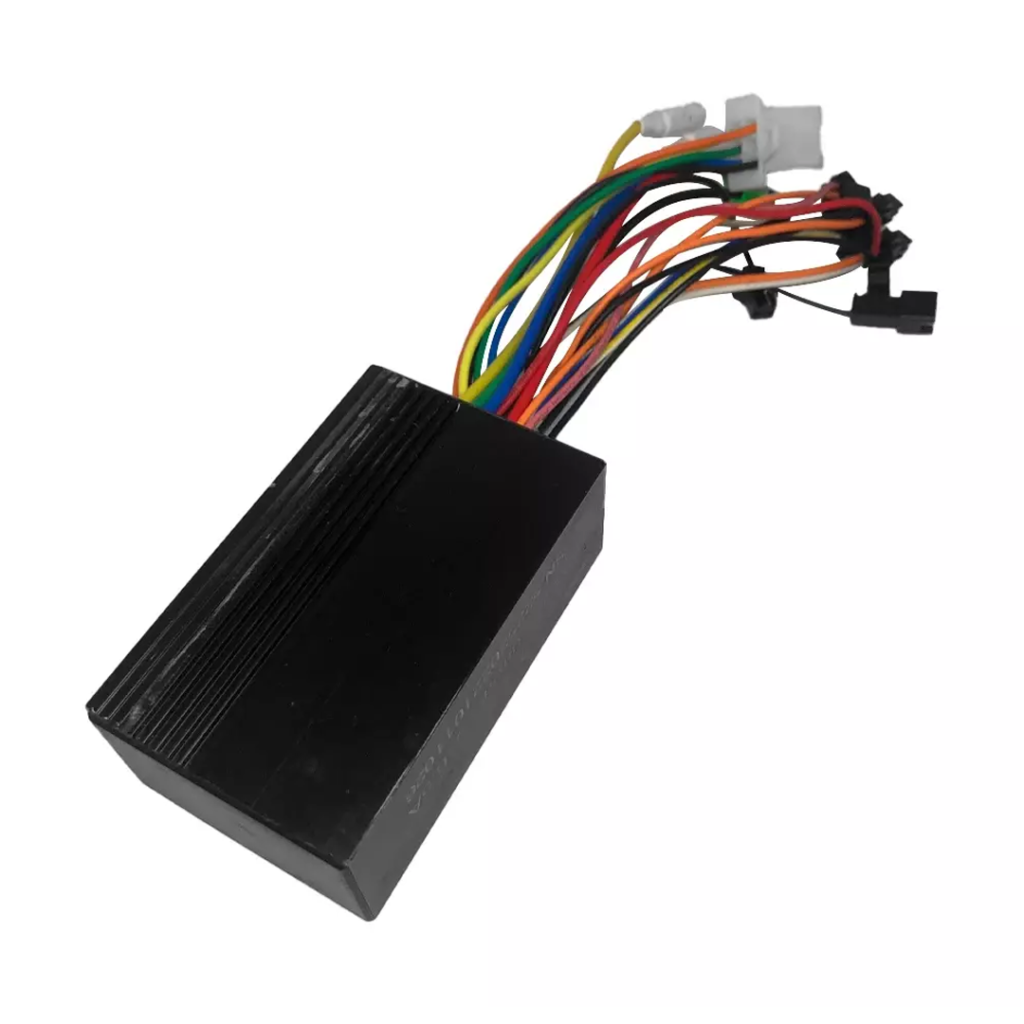
Features and Benefits:
- Silent Operation: Sinewave controllers are highly regarded for their ability to make e-bike motors run more quietly. They smooth out the electrical current to the motor, reducing the noise and providing a more pleasant riding experience.
- Improved Efficiency: These controllers are more efficient than traditional square wave controllers. They reduce heat generation and increase the motor’s overall efficiency, which can lead to longer battery life and better performance.
- Enhanced Control: Sinewave controllers offer better throttle response and smoother power delivery, making the bike easier to control, especially at lower speeds.
Considerations:
- Cost: The advanced technology in sinewave controllers generally makes them more expensive than traditional controllers.
- Installation: Installing a sinewave controller might require more effort and technical know-how, especially if upgrading from a square wave controller.
Why Use These Electronic Components?
- Performance Monitoring: With devices like the Cycle Analyst V3, you can track every aspect of your ride, from speed to battery consumption. This data helps in optimizing your riding style for better efficiency and longer battery life.
- Advanced Control: Electronic components like the KT-LCD3 display and sinewave controllers allow you to fine-tune your e-bike’s performance, giving you better control over speed, power output, and overall riding dynamics.
- Enhanced Riding Experience: Quiet operation, precise control, and real-time feedback all contribute to a smoother, more enjoyable ride. Whether you’re navigating city streets, tackling tough trails, or going on long tours, these components ensure that your e-bike performs at its best.
In summary, these electronic components are not just add-ons but integral parts of an e-bike’s functionality and rider experience. By investing in high-quality electronics like the Cycle Analyst V3, KT-LCD3 display, and sinewave controllers, you can significantly enhance your e-bike’s performance, safety, and enjoyment.
Headlights
Best Front Lights:
- Supernova E3 V6
- B&M Lumotec IQ-X
- Lezyne Macro Drive 1300XXL
Pros:
- High Light Output: The Supernova E3 V6 offers 205 lumens of light, providing excellent illumination for night rides.
- Wide Beam Angle: The B&M Lumotec IQ-X features a wide beam angle, which better illuminates the road and enhances riding safety.
- Durability: The Lezyne Macro Drive is built with an aluminum body and waterproof features, making it resistant to harsh weather conditions.
Cons:
- Price: High-performance lights are generally more expensive.
- Weight: Some powerful lights can add to the overall weight of the bike.
Why Should You Use These Lights?
- Safety: When riding at night or in low-light conditions, powerful lights are essential for seeing the road clearly and being visible to other road users.
- Durability: Quality lighting equipment is built to be long-lasting and resistant to weather conditions.
Taillights
Best Rear Lights:
- Garmin Varia RTL515
- Cygolite Hotshot Pro 200
- Bontrager Flare RT
Pros:
- High Visibility: The Garmin Varia RTL515 features radar functionality that scans the rear and alerts you to approaching vehicles, increasing safety.
- Wide Visibility Angle: The Cygolite Hotshot Pro 200 offers 200 lumens of light, providing wide visibility from the rear.
- Smart Features: The Bontrager Flare RT can pair with smartphones, allowing you to control the light settings remotely.
Cons:
- Price: Lights with radar functionality can be more expensive than simpler lights.
- Battery Consumption: Powerful lights typically consume more energy, requiring frequent recharging.
Why Use These Rear Lights?
Safety: Rear lights are crucial for being easily noticed by other vehicles, whether riding at night or in foggy conditions during the day.
Smart Technology: Radar-equipped lights, in particular, enhance your safety by monitoring the traffic behind you.
3. Side Lights and Strip Lights
Best Side Lights:
- Cateye Rapid X3 Side Lights
- Light & Motion Vya Switch
- Knog Plus Twinpack
Pros:
360-Degree Visibility: The Cateye Rapid X3 ensures 360-degree visibility with lights on the sides of the bike.
Compact Design: The Knog Plus Twinpack features a lightweight and compact design that doesn’t take up much space on the bike.
Easy Installation: The Light & Motion Vya offers practical use with an easily mountable and removable design.
Cons:
- Battery Life: Smaller, compact lights generally have shorter battery life.
- Visibility Range: Side lights have a more limited visibility range compared to front and rear lights.
- Why Use These Side Lights?
Extra Safety: Side lights ensure that other drivers can see you from various angles, especially in urban riding.
Practical Use: Small and lightweight designs offer extra safety without adding significant weight to the bike.
4. Lighting and Power Management
Recommended Equipment:
- USB Rechargeable Lights: Models that can be recharged via USB offer practicality and ease of use. They also feature integrated batteries for long-lasting performance.
- Smart Lighting Systems: Lights equipped with smart sensors automatically adjust brightness based on ambient light conditions.
Why Use These Systems?
Efficiency: Smart lighting systems save energy and provide longer usage time.
Ease of Use: USB rechargeable lights can be easily charged in any environment, making them ideal for travel.
With this content structure, you can provide visitors with the information they need to make informed choices among different lighting equipment, while also highlighting the safety and performance advantages of these products.
Handlebar Grip Recommendations
Selecting the right grips for e-bike riding is crucial for both comfort and control. Here are the best grip recommendations for different usage needs:7
1. Grips for General Use and City Riding
Pros: The ergonomic design reduces pressure on the wrist and provides comfort even during long rides. Available in different sizes to fit all hand sizes.
Cons: May be slightly larger and heavier compared to standard grips.
Why These Grips? Ideal for city and daily use, especially for riders with wrist issues, as it enhances comfort.
Bontrager XR Endurance Elite
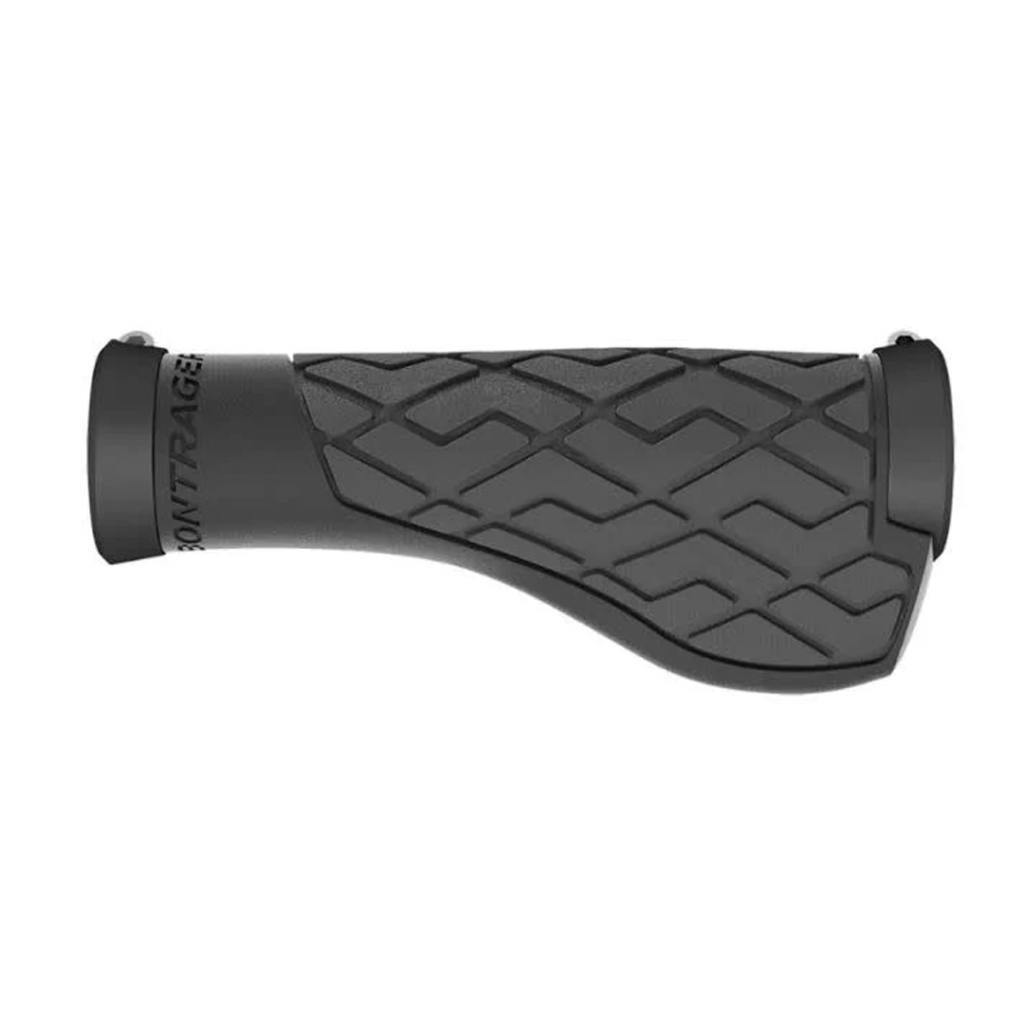
Pros: The soft rubber material provides a good grip and prevents hand fatigue during long rides. The dual-density construction effectively absorbs vibrations.
Cons: May feel too soft for high-performance or aggressive riding.
Why These Grips? A perfect choice for city and light trail rides, offering comfort and good grip.
2. Grips for Mountain Biking and Off-Road Riding
ODI Rogue Lock-On Grips
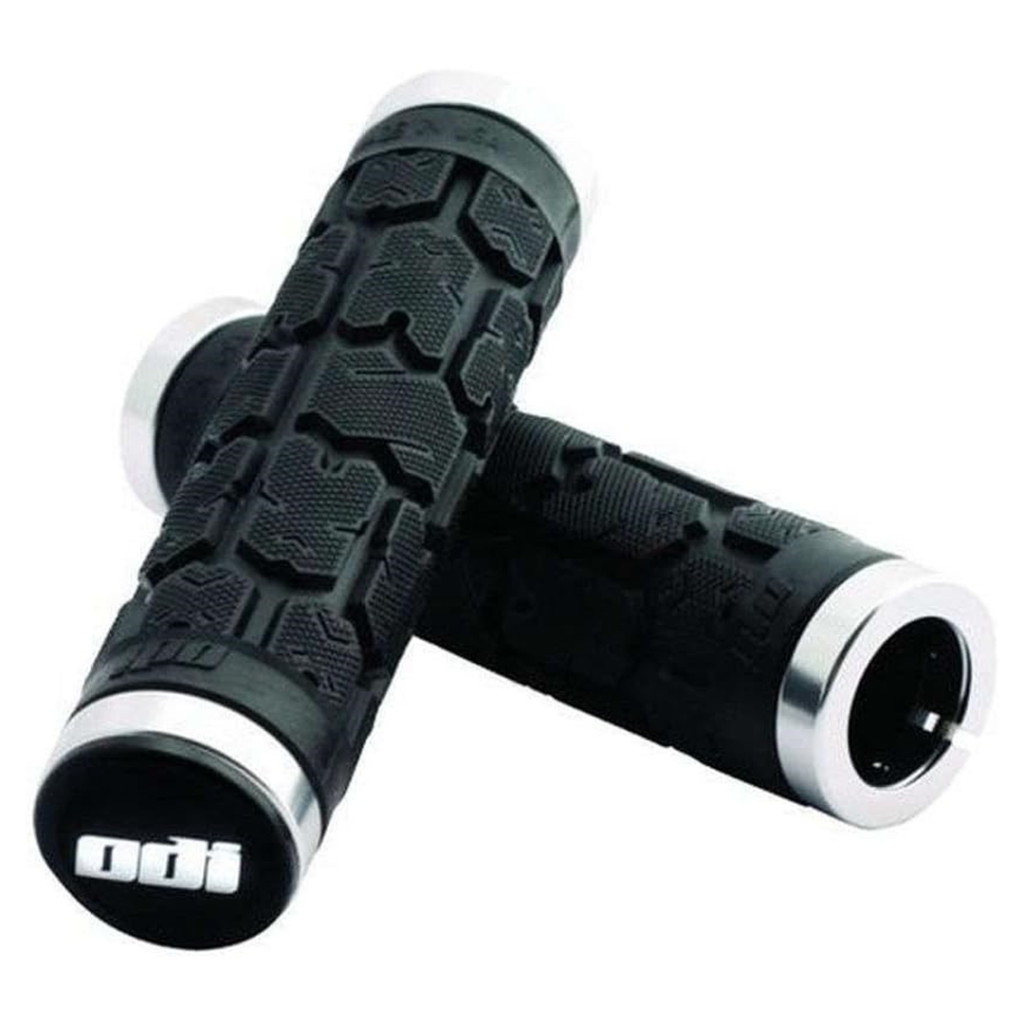
Pros: The large diameter and aggressive pattern provide excellent grip even in challenging terrain. The lock-on system prevents the grips from slipping.
Cons: The large diameter might be uncomfortable for smaller hands.
Why These Grips? Ideal for those seeking durability and control in off-road and mountain biking.
Race Face Half Nelson
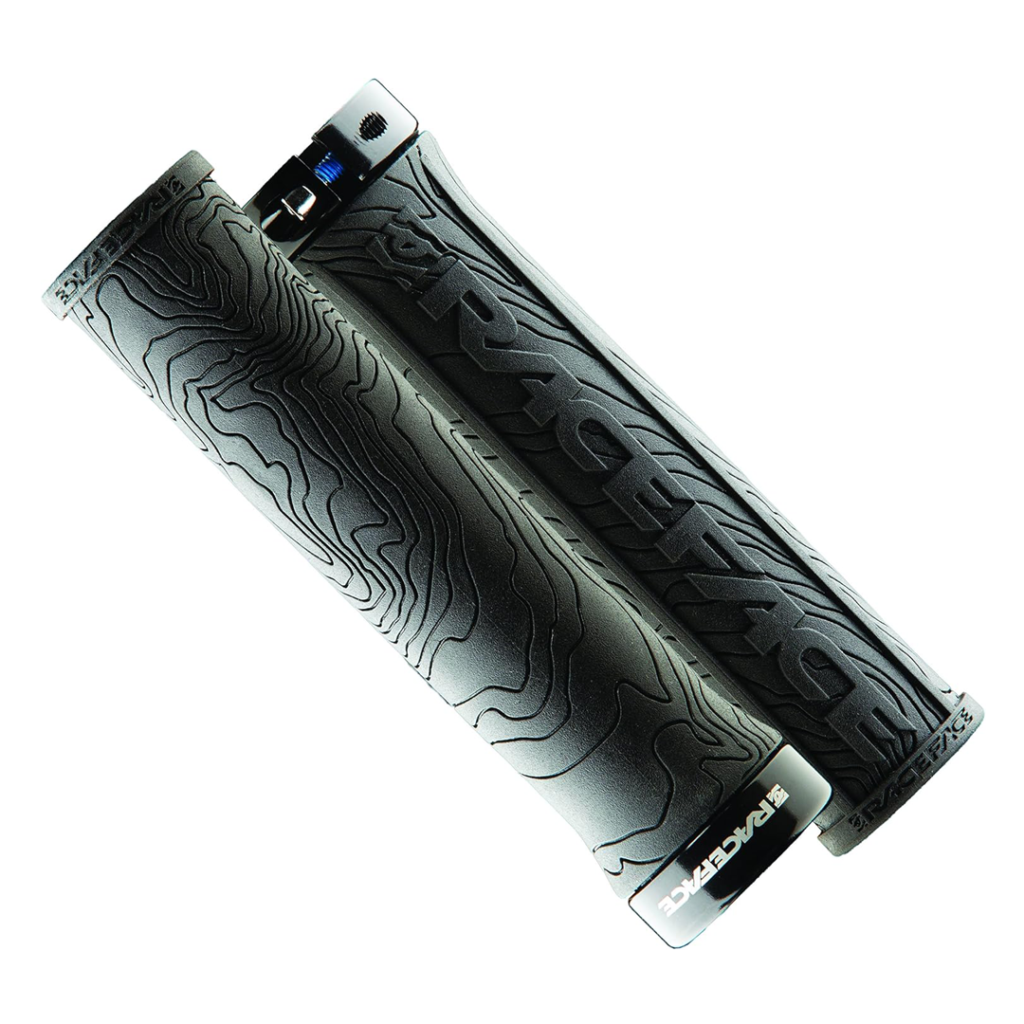
Pros: The slim and lightweight design offers precise control during aggressive rides. The soft rubber material absorbs vibrations and provides comfort.
Cons: The thin design may not provide enough grip for some users.
Why These Grips? Perfect for mountain bikers looking for lightweight and precise control.
Brooks England Slender Leather Grips
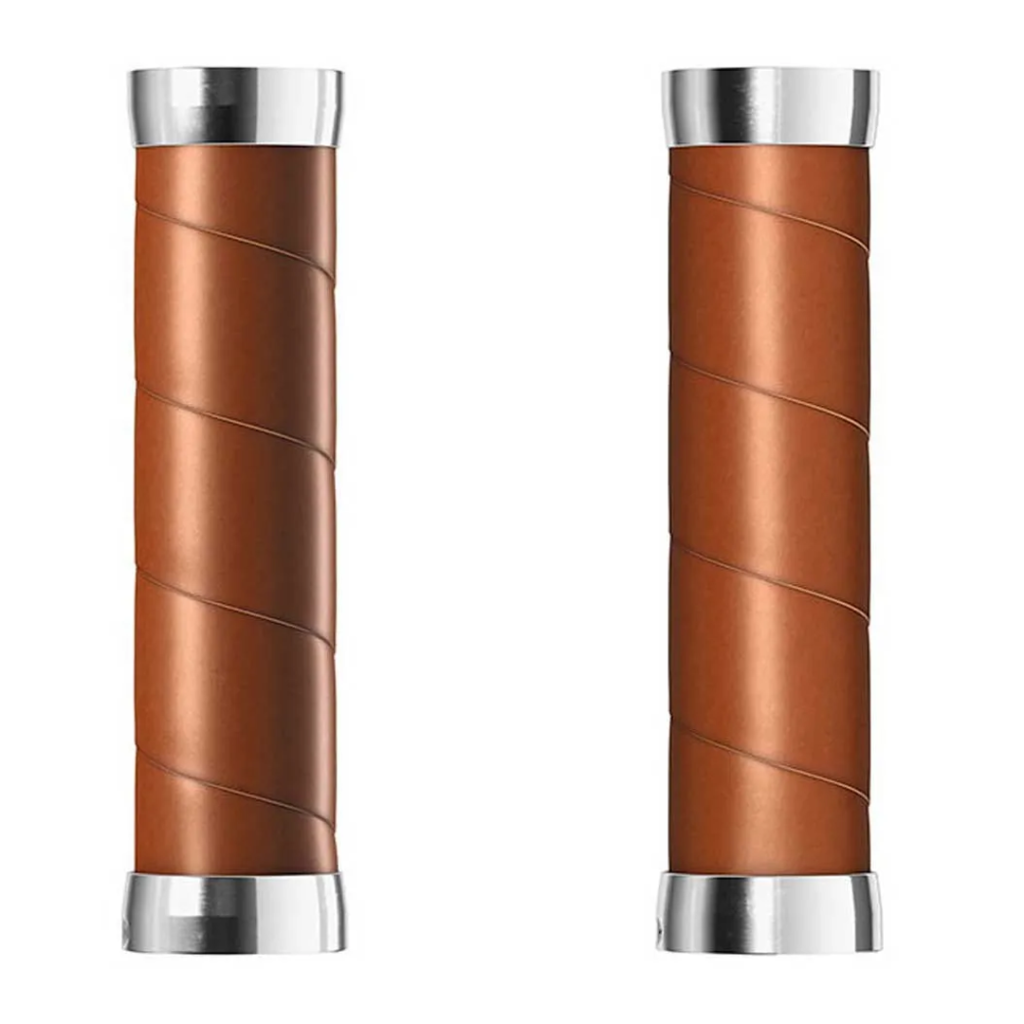
Pros: Features a stylish and durable natural leather covering. The metal clamps ensure a secure fit.
Cons: The leather material may require maintenance over time.
Why These Grips? A stylish and comfortable choice for long-distance tours, offering both aesthetics and durability.
Ergon GA3
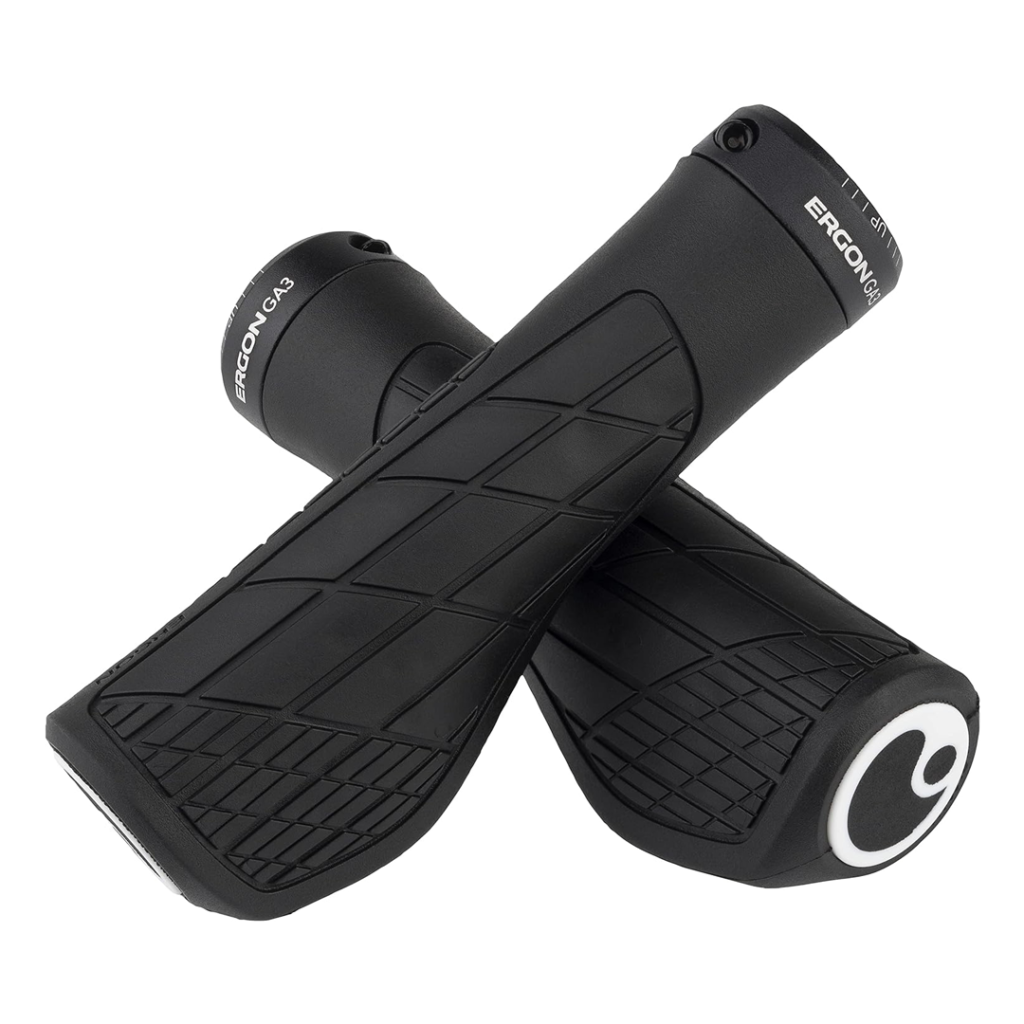
Pros: The ergonomic design and integrated mini wings provide wrist support. The soft components ensure comfort during long rides.
Cons: Some users may find the integrated wings too large.
Why These Grips? Ideal for those seeking wrist support and comfort on long rides.
4. Grips for Racing and Performance Riding
ESI Chunky Grips
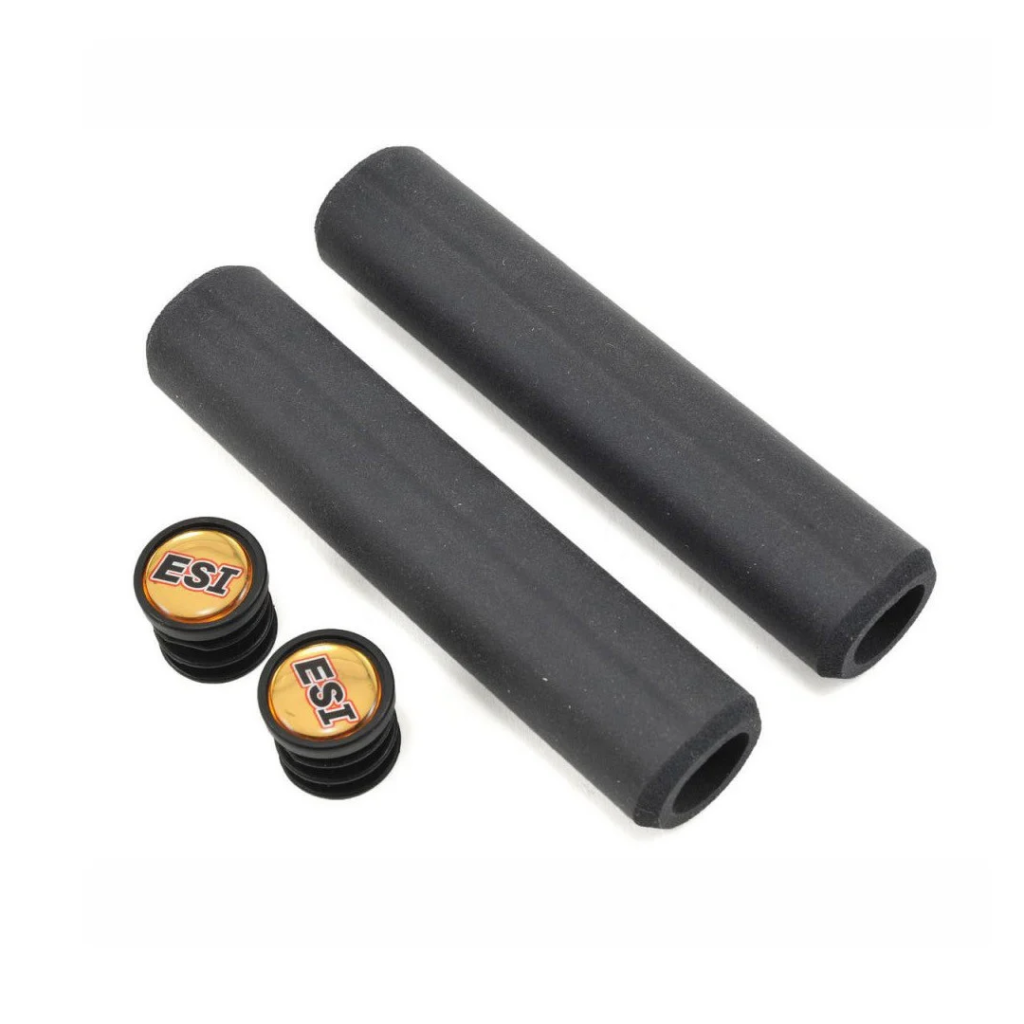
Pros: The silicone construction provides lightweight and excellent vibration absorption. Helps prevent hand fatigue during fast rides.
Cons: The silicone material may become slightly slippery in wet conditions.
Why These Grips? One of the best options for riders seeking lightweight and vibration absorption in performance rides.
Lizard Skins DSP 2.5mm
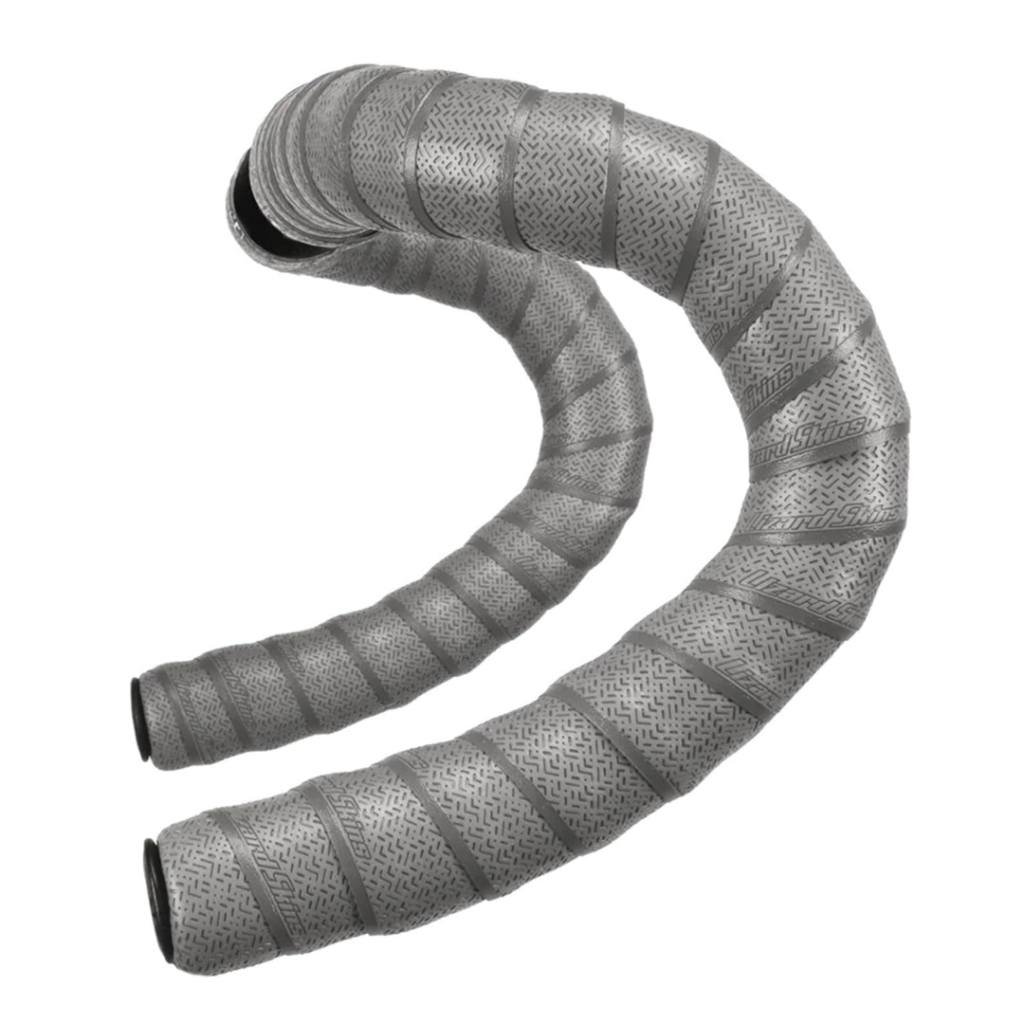
Pros: The thin design enhances handlebar control and provides excellent feedback. Made from lightweight and durable material.
Cons: The thin design may reduce comfort, making it more suitable for shorter rides.
Why These Grips? A great choice for racers or high-speed riders seeking precision and control.
These grip recommendations cater to different riding styles and needs, helping make your cycling experience more comfortable and enjoyable. When choosing, consider your riding style, hand size, and preferred comfort level.
Glove Recommendations
In e-bike riding, gloves are essential for both comfort and safety. Here are the best glove recommendations for different usage needs:
1. Gloves for City and Daily Use
Giro Monaco II Gel Gloves
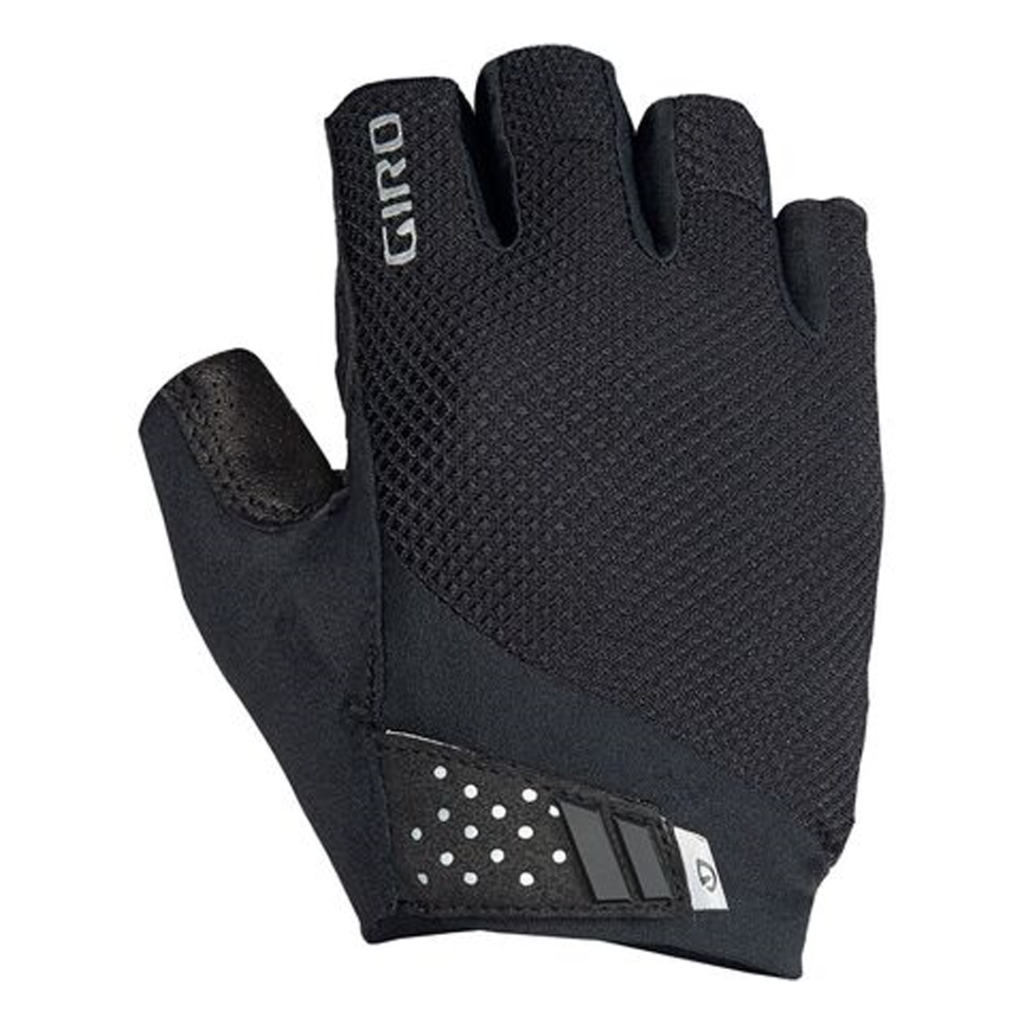
Pros: Gel-padded palms absorb vibrations and prevent hand fatigue even during long rides. The breathable upper part ensures comfort in warm weather.
Cons: The thick gel padding may feel bulky to some users.
Why These Gloves? Provides comfortable and effective hand protection for daily city use.
Pearl Izumi Elite Gel Gloves
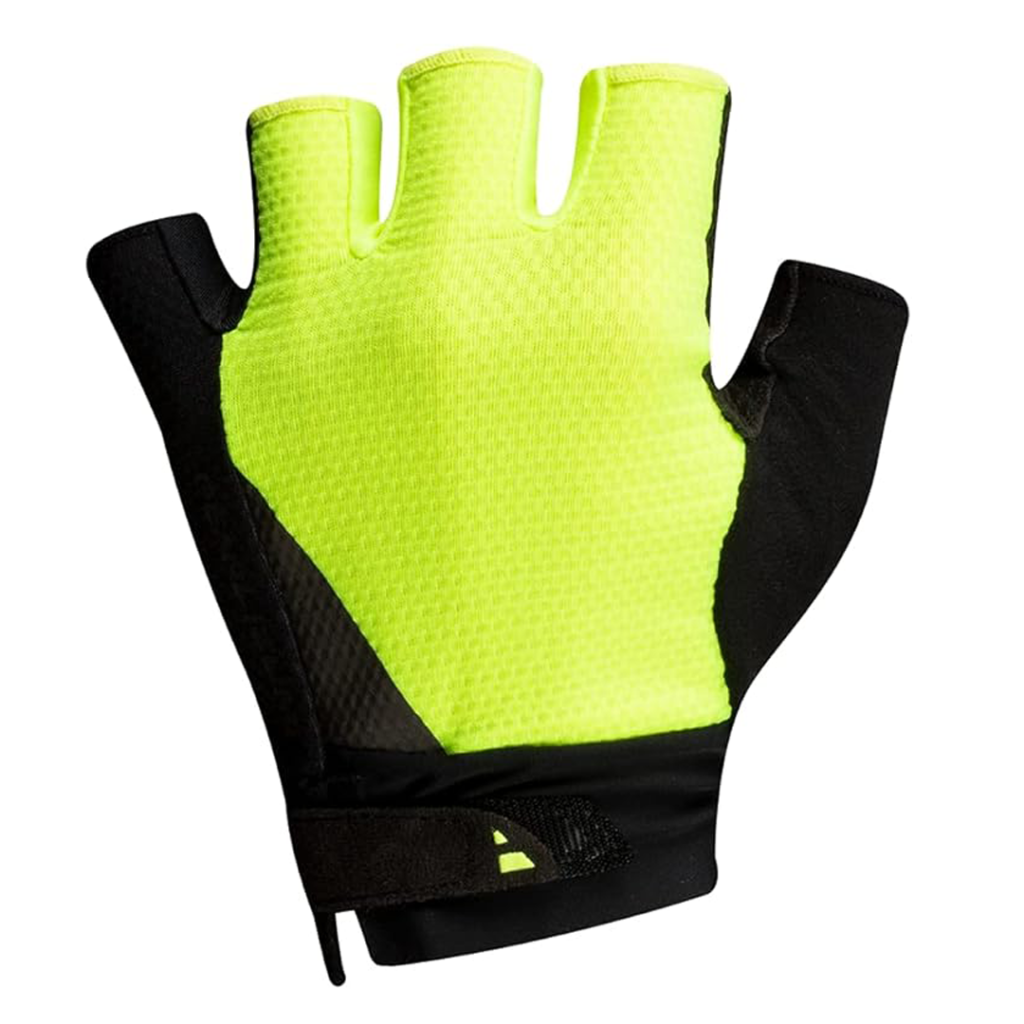
Pros: The ergonomic design and gel-padded palms reduce hand fatigue. The breathable construction ensures comfort even in hot weather.
Cons: The glove fingers may feel a bit tight for some users.
Why These Gloves? Ideal for those looking for both comfort and durability in daily use.
2. Gloves for Mountain Biking and Off-Road Use
Fox Racing Dirtpaw Gloves
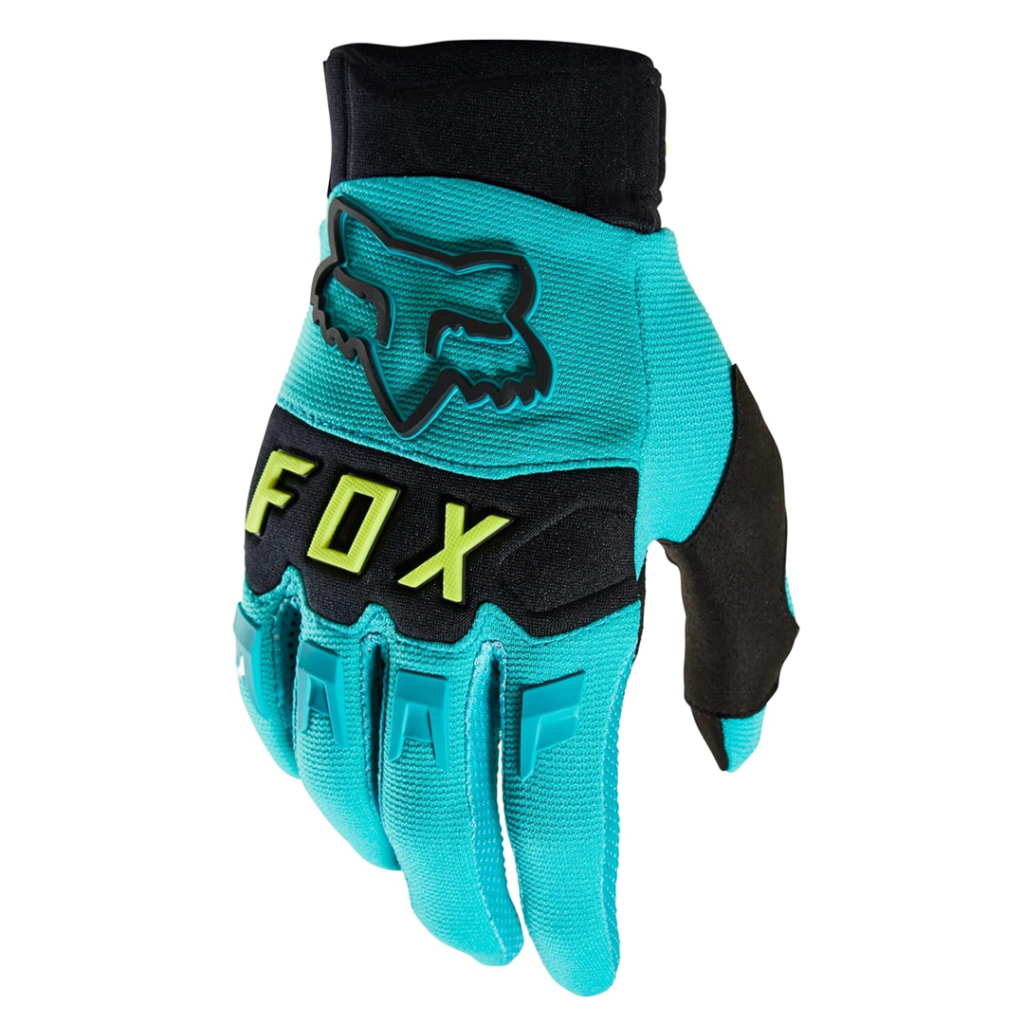
Pros: Hard knuckle protection and durable construction provide maximum protection in off-road riding. Silicone-printed fingertips make brake and gear control easier.
Cons: The more rigid construction might be too much for city or light riding.
Why These Gloves? Offers high protection and control in off-road and challenging terrain conditions.
100% Ridecamp Gloves
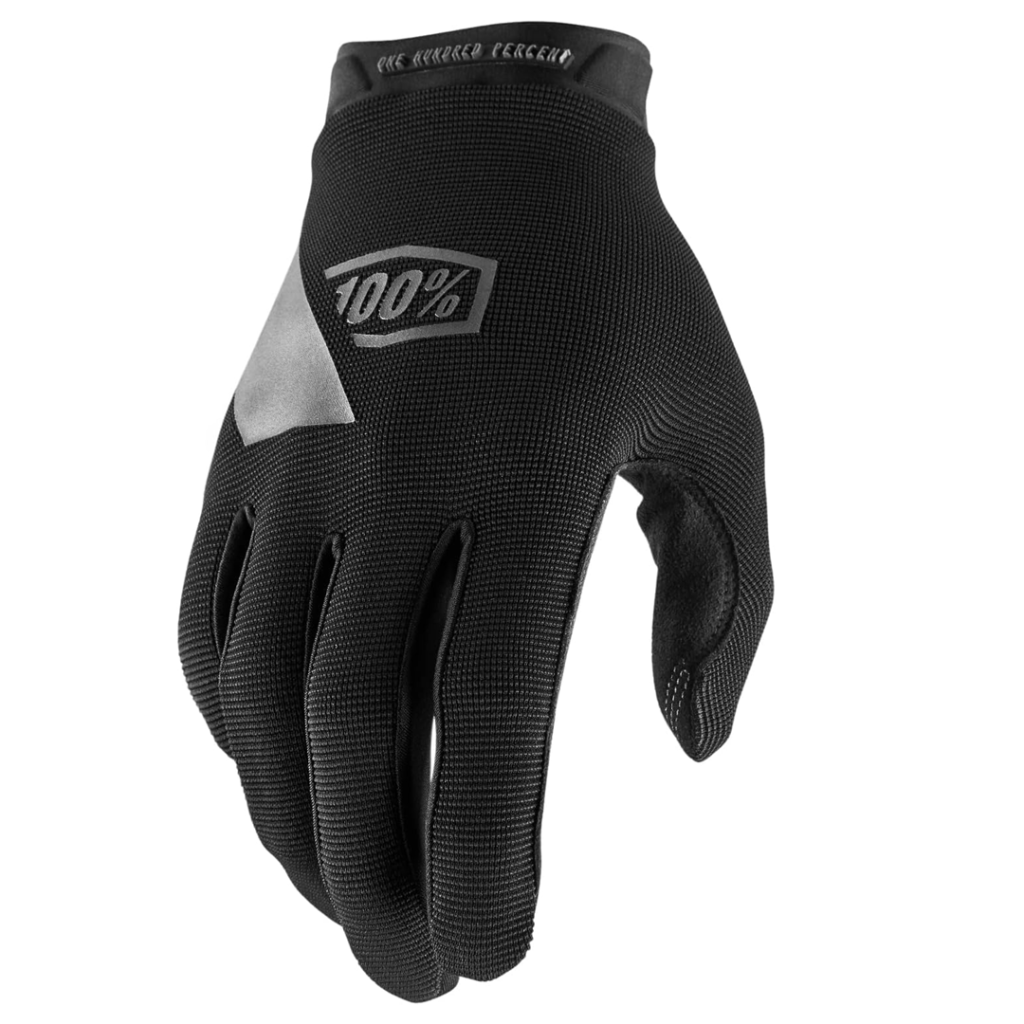
Pros: The lightweight and flexible design offers maximum freedom of movement in off-road rides. The ventilated upper reduces sweating.
Cons: The palm protection might be too thin for some users.
Why These Gloves? A perfect choice for off-road riders seeking lightweight, breathable, and high-mobility gloves.
3. Gloves for Long-Distance and Touring
Endura Hummvee Plus Gloves
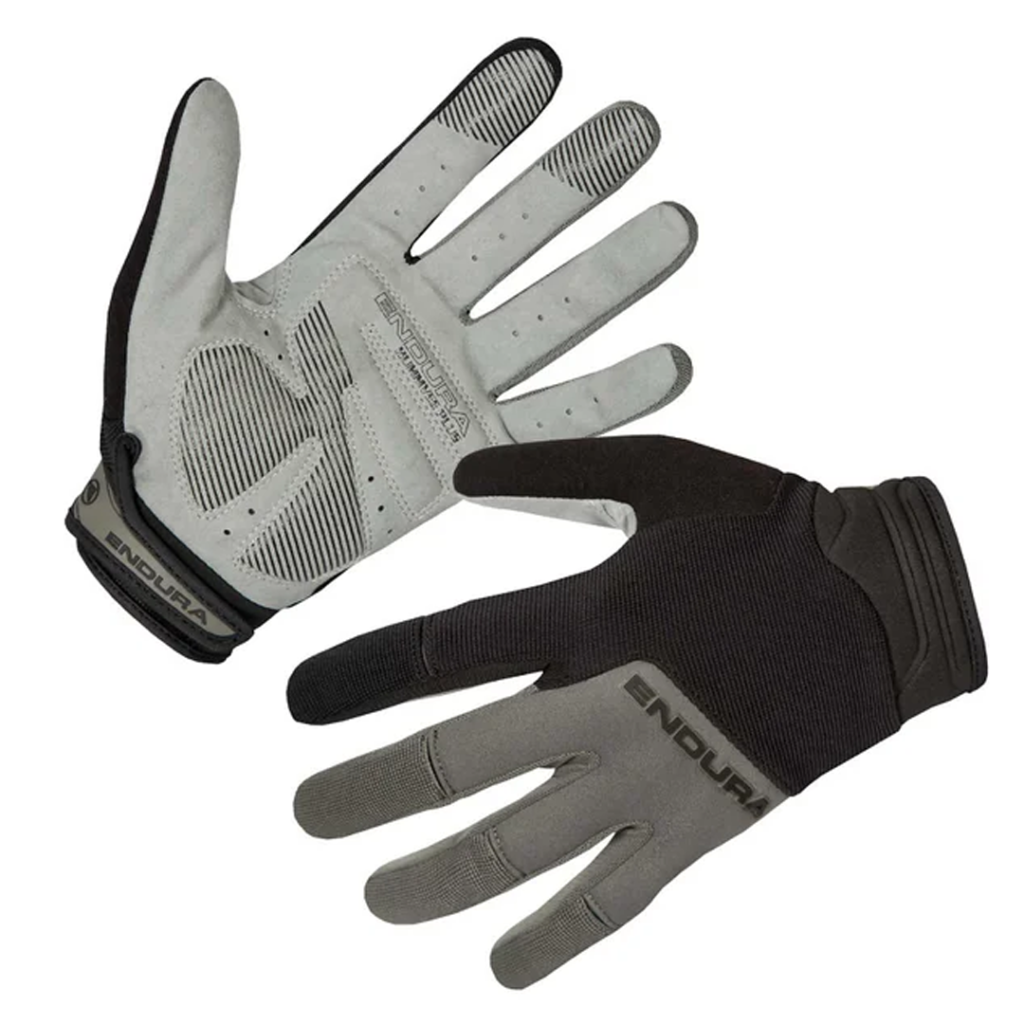
Pros: Multi-layer construction and gel-padded palms provide maximum comfort during long rides. The ventilated upper and flexible wrist offer all-day comfort.
Cons: The thick padding may cause overheating in hot weather.
Why These Gloves? Ideal for those seeking comfortable and durable gloves that reduce hand fatigue during long-distance rides.
Gore Wear C5 Trail Gloves
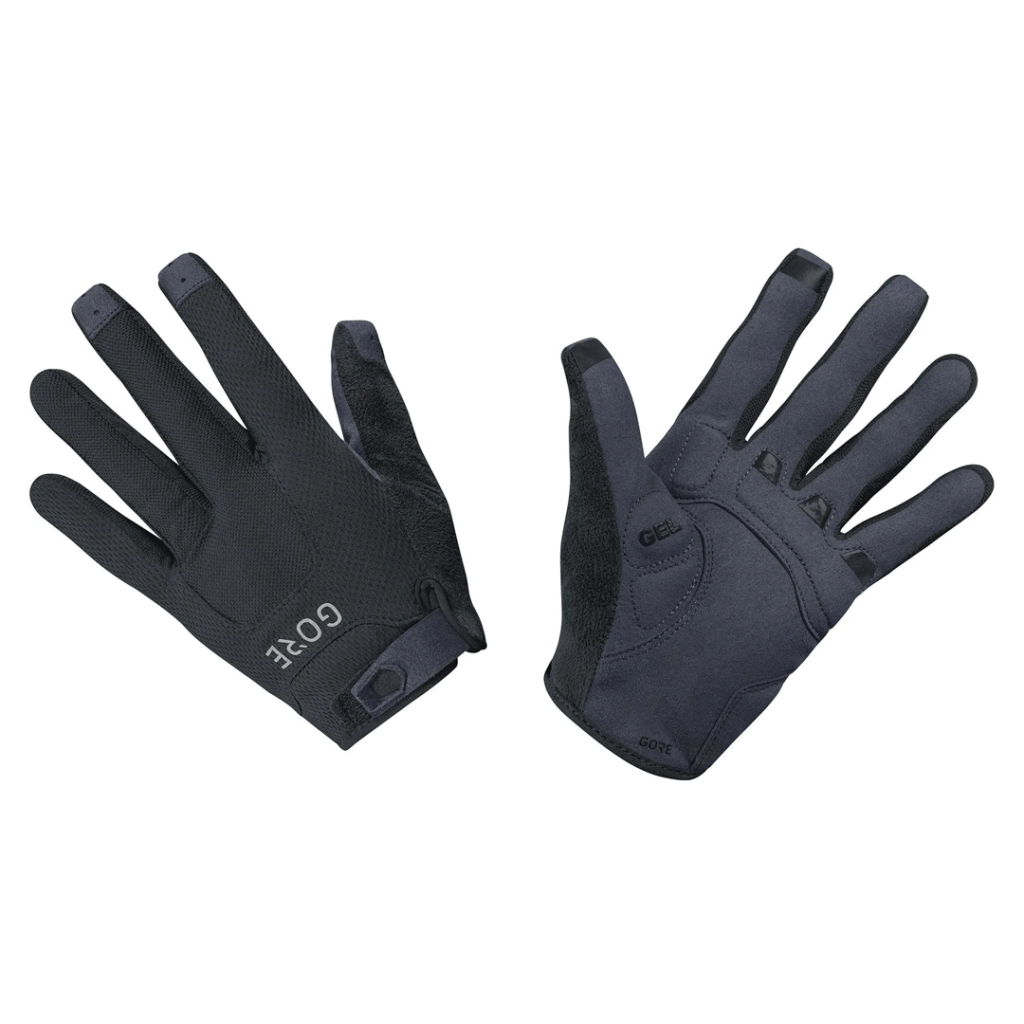
Pros: The lightweight and breathable design ensures comfort even in warm weather. The durable palm provides maximum protection during long rides.
Cons: The thinner design might not be sufficient in extremely rough conditions.
Why These Gloves? A great choice for those looking for light, durable gloves that offer comfort on long tours and in warm weather.
4. Gloves for Racing and Performance Riding
Castelli Arenberg Gel 2 Gloves
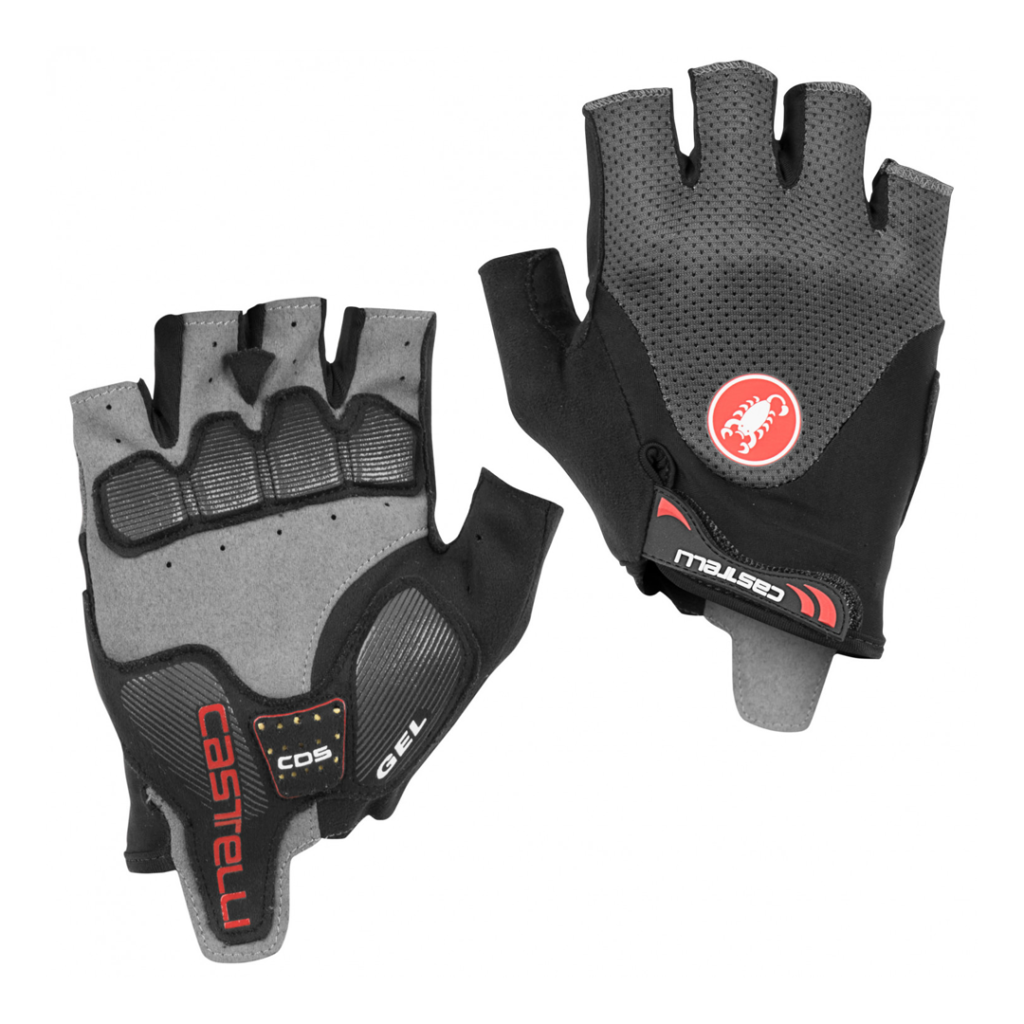
Pros: The gel padding in the palm absorbs vibrations during long races. Its breathable construction and lightweight ensure comfort in high-performance rides.
Cons: The thick padding may be too much for those looking for a thinner feel.
Why These Gloves? Ideal for those seeking comfort and performance in races and high-paced rides.
Rapha Pro Team Mitts
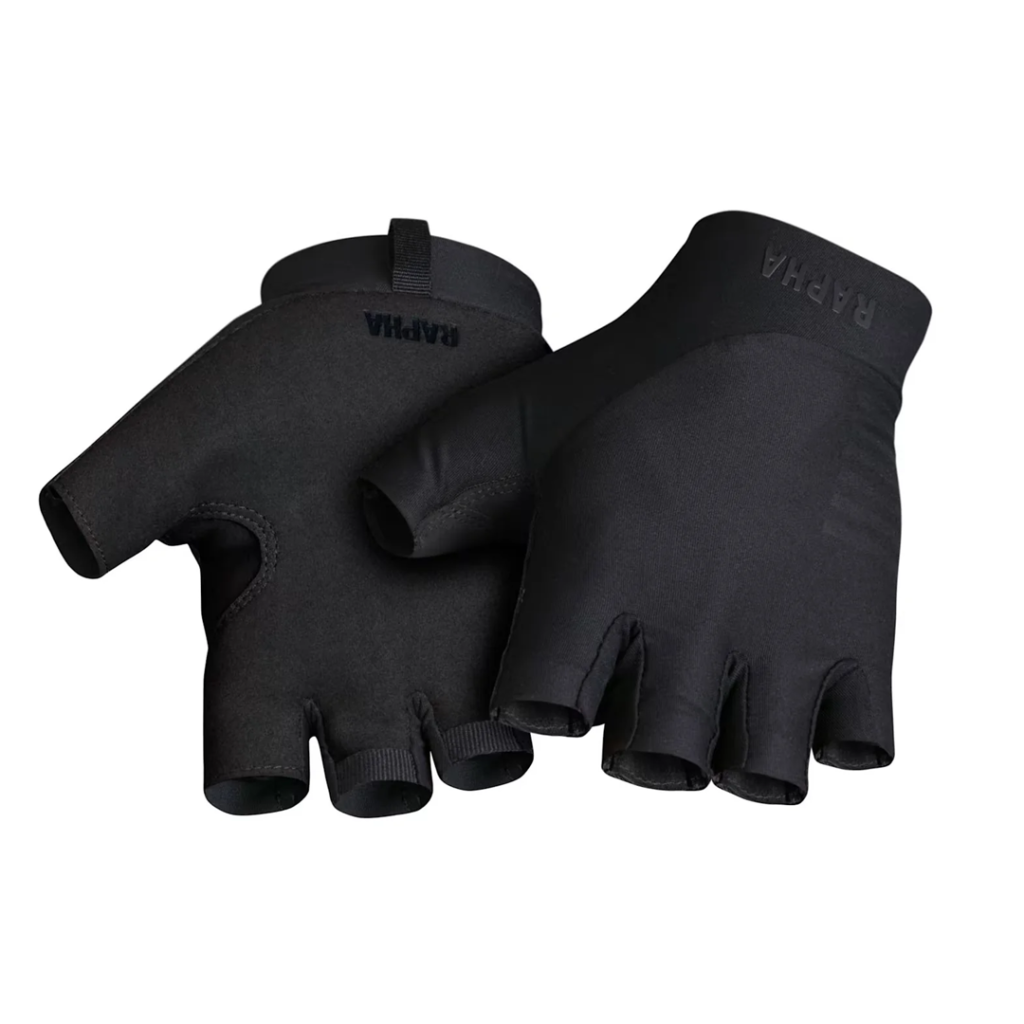
Pros: The lightweight and breathable design offers maximum performance during races. The non-slip palm provides precision in brake and gear control.
Cons: The thin design might not provide enough protection for those seeking extra safety.
Why These Gloves? Perfect for racers looking for lightweight and precise control in performance riding.
These glove recommendations offer the best options for different riding styles and needs. Whatever type of riding you do, it’s important to choose gloves that meet your comfort, durability, and protection requirements.
Pannier Recommendations
Choosing a quality pannier for your e-bike is crucial for increasing carrying capacity and making long journeys more comfortable. Here are the best pannier recommendations for different usage scenarios:
1. Panniers for City and Daily Use
Ortlieb Back-Roller City
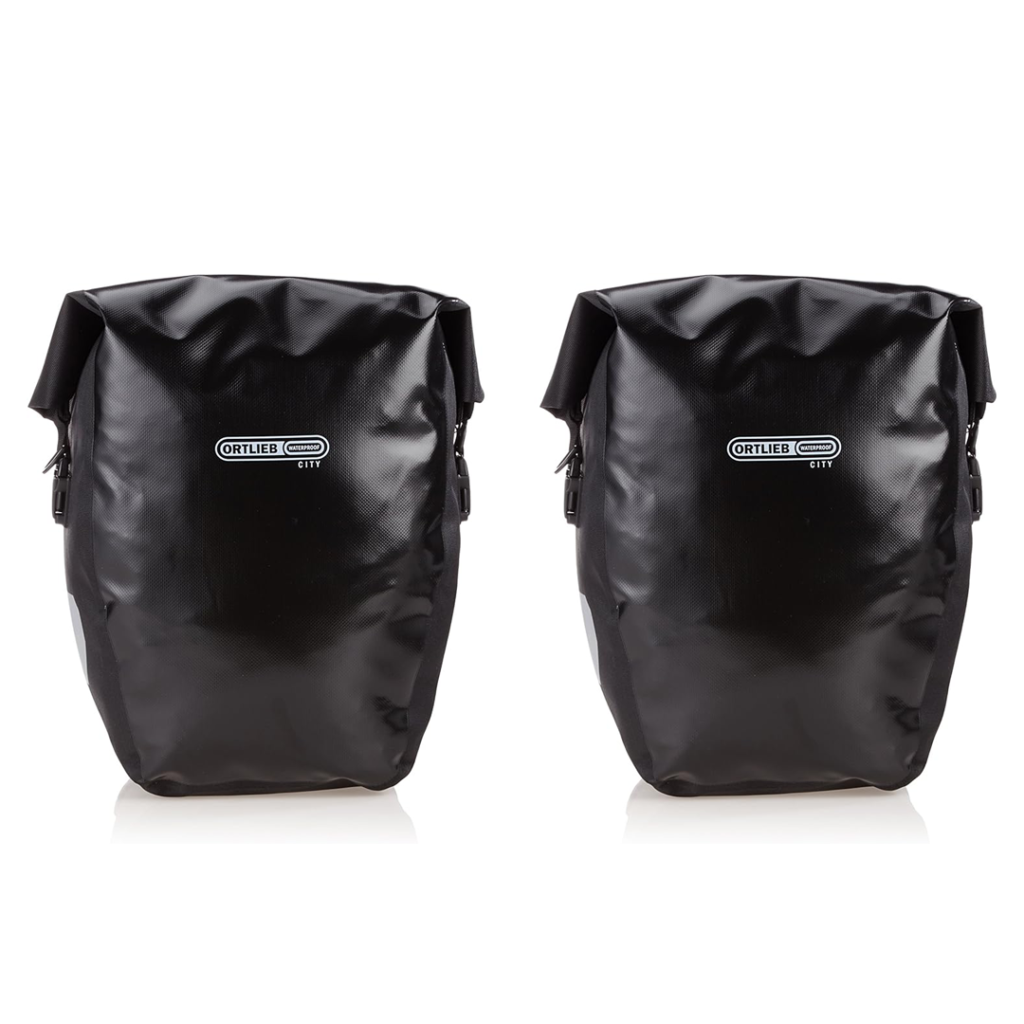
Pros: The waterproof design keeps your belongings dry even in rainy weather. It is made of durable PVC-coated polyester material. The QL1 system allows for quick and easy mounting.
Cons: It may be too large for light use and might be excessive for those looking to carry smaller items.
Why This Pannier? It offers excellent protection in daily city use, especially in rainy conditions, and provides long-lasting durability.
Thule Shield Pannier
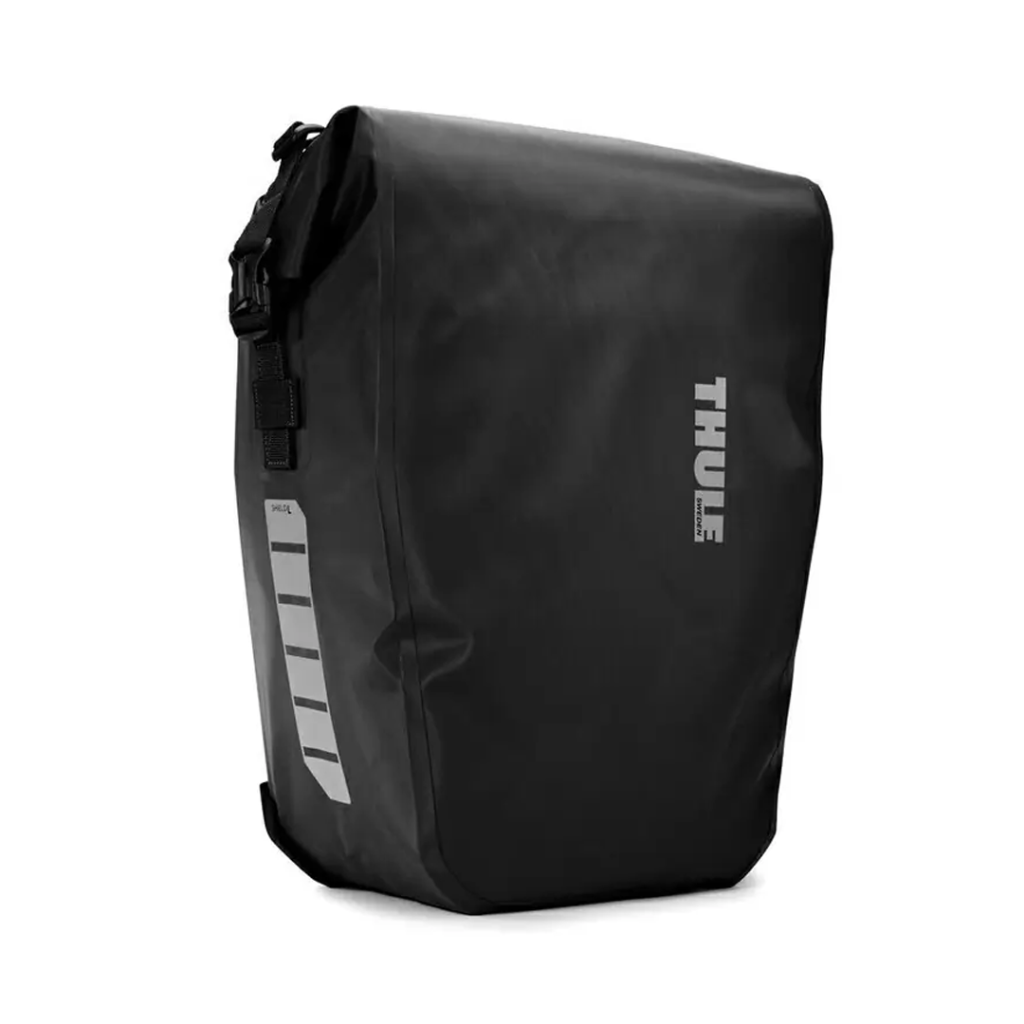
Pros: Protects your belongings with its water-resistant and durable construction. The reflective surface increases visibility during night rides. The spacious interior allows you to comfortably carry your daily items.
Cons: It may be a bit more expensive compared to other models.
Why This Pannier? Ideal for users looking for a secure and visible carrying solution in the city.
2. Panniers for Touring and Long-Distance Rides
Brooks England Suffolk Rear Pannier
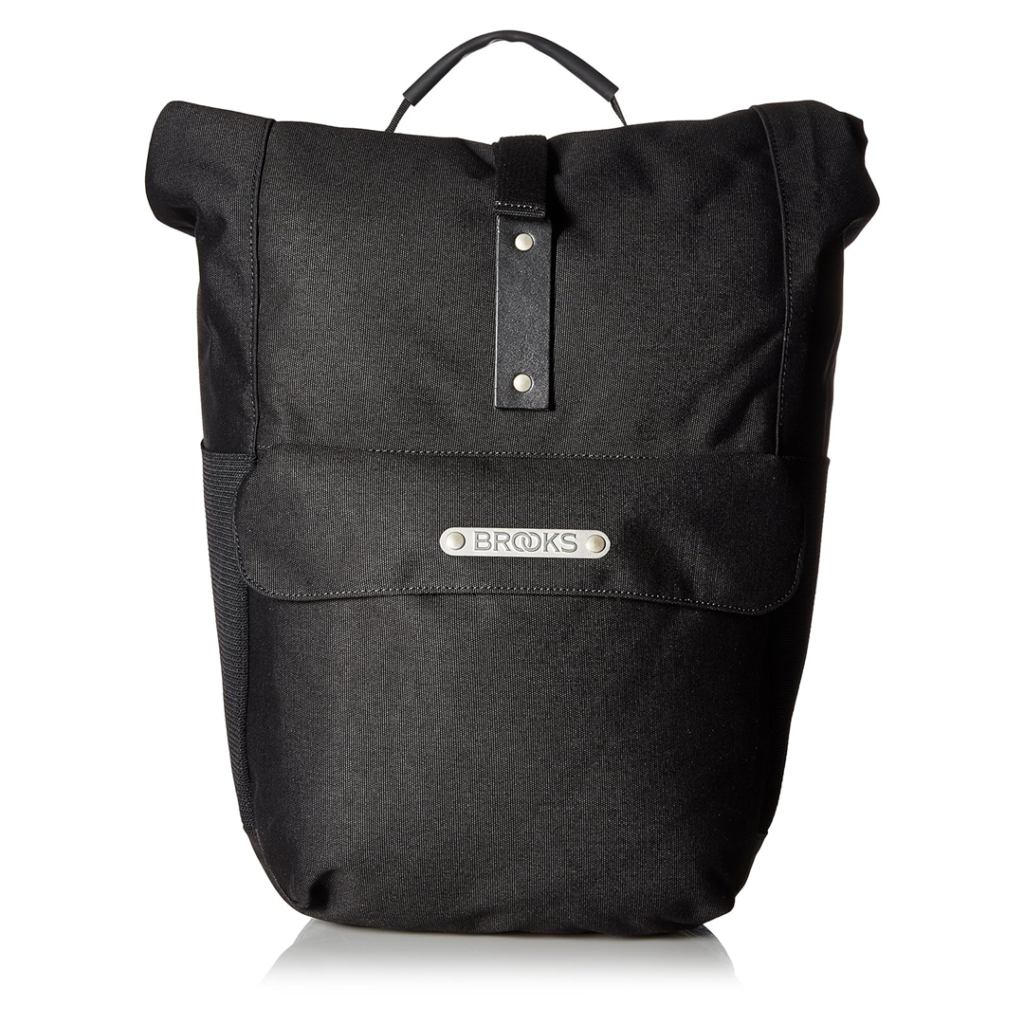
Pros: Made from lightweight, waterproof, and durable material. Its spacious interior is sufficient to carry all the items needed for long distances. It stands out with its minimalist and stylish design.
Cons: Despite its comprehensive waterproof features, additional protection may be needed in very heavy rain.
Why This Pannier? It offers durability and large capacity for long-distance tours while also providing a stylish appearance.
Vaude Aqua Back Plus
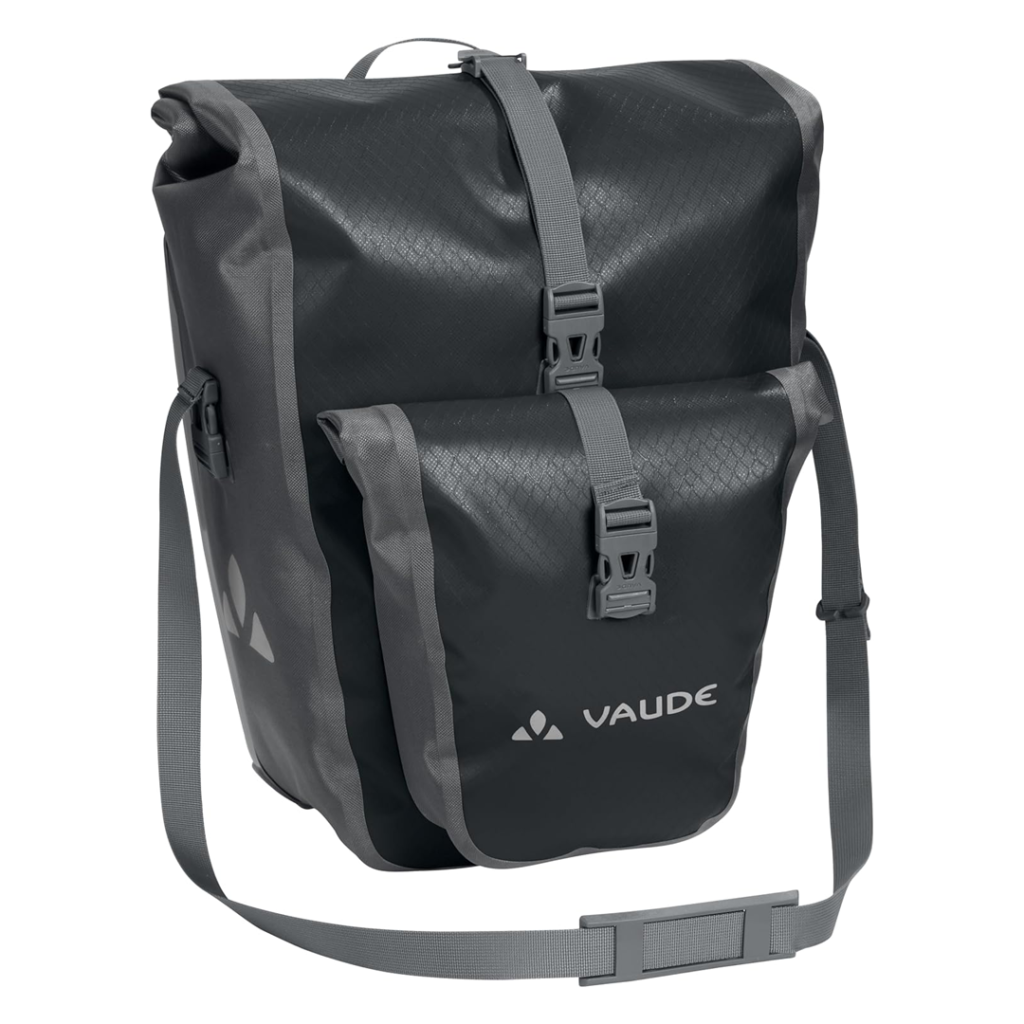
Pros: An eco-friendly product made from PVC-free waterproof material. The spacious interior and additional exterior pockets make it easy to organize your belongings. It can be easily mounted and removed with the Quick Mount system.
Cons: Its large size might be unnecessarily big for city use.
Why This Pannier? A perfect choice for those seeking an eco-friendly option for long-distance rides.
3. Panniers for Mountain Biking and Off-Road Use
Revelate Designs Terrapin System 14L
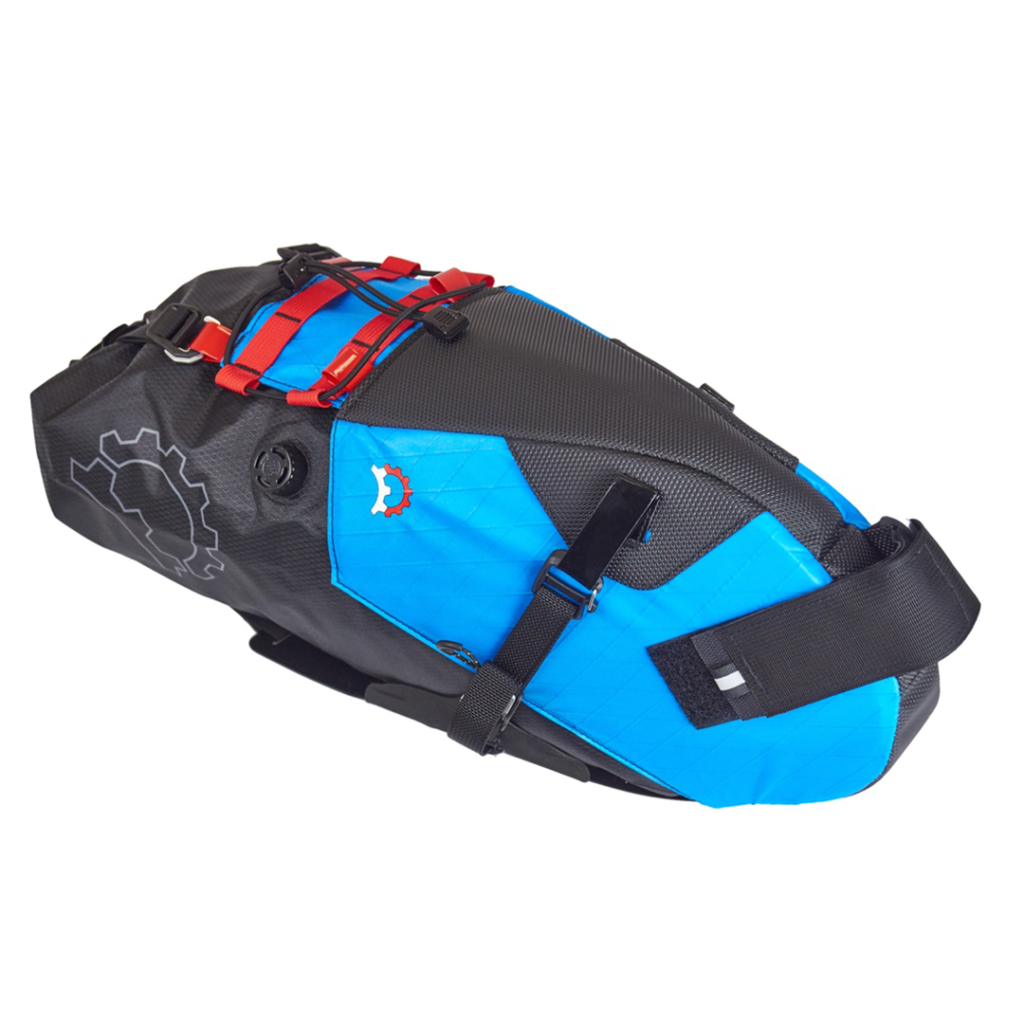
Pros: The modular design and waterproof features provide secure carrying even in the toughest conditions. The tight fastening system ensures it stays in place on rough terrain.
Cons: The setup might be complex, especially for users unfamiliar with this type of equipment.
Why This Pannier? It offers excellent performance in off-road riding with its modular structure and durability.
Topeak MTX TrunkBag DXP
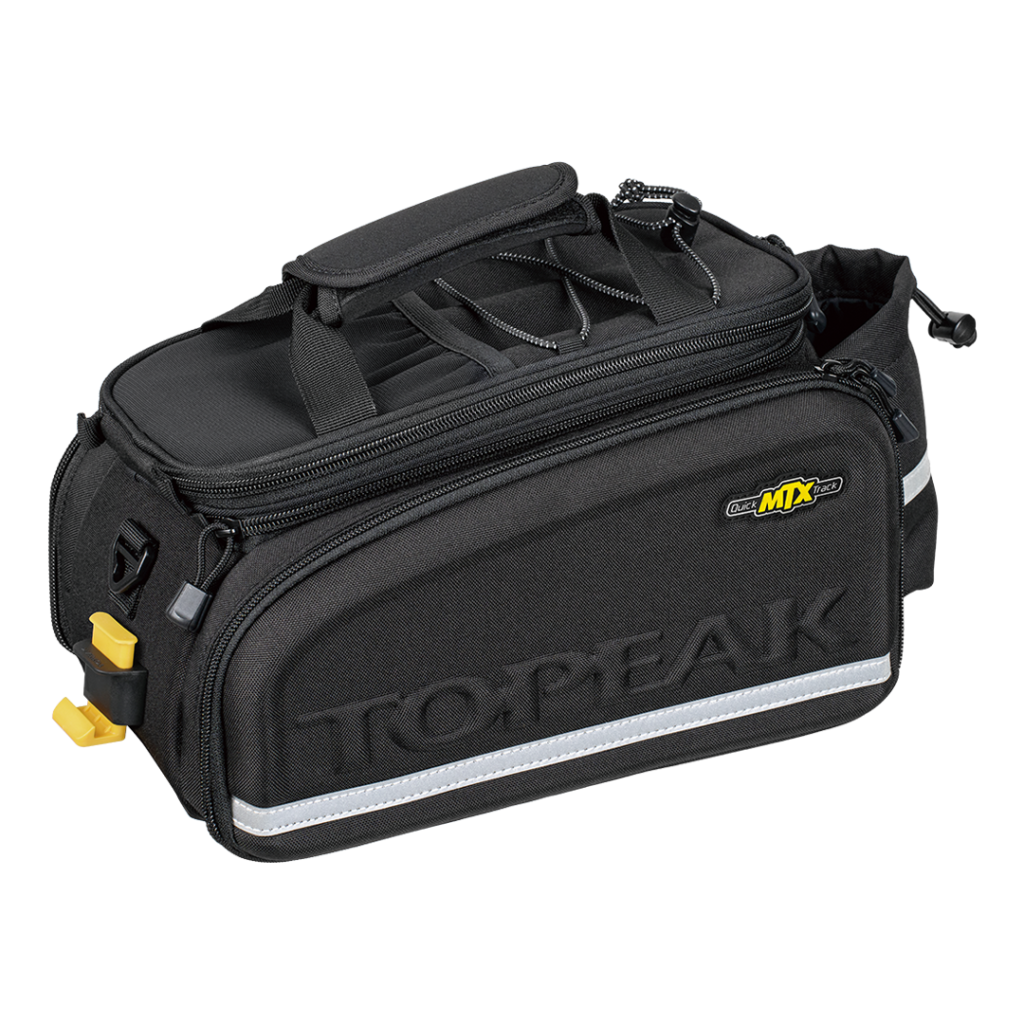
Pros: The expandable side pockets and top compartment allow for increased volume. The water-resistant fabric construction provides protection in harsh weather conditions.
Water Bottle Cage Recommendations
Ensuring adequate hydration during e-bike rides is important, so selecting the right water bottle cage is essential. Here are the best water bottle cage recommendations for different needs:
1. Water Bottles for General Use
Specialized Zee Cage II
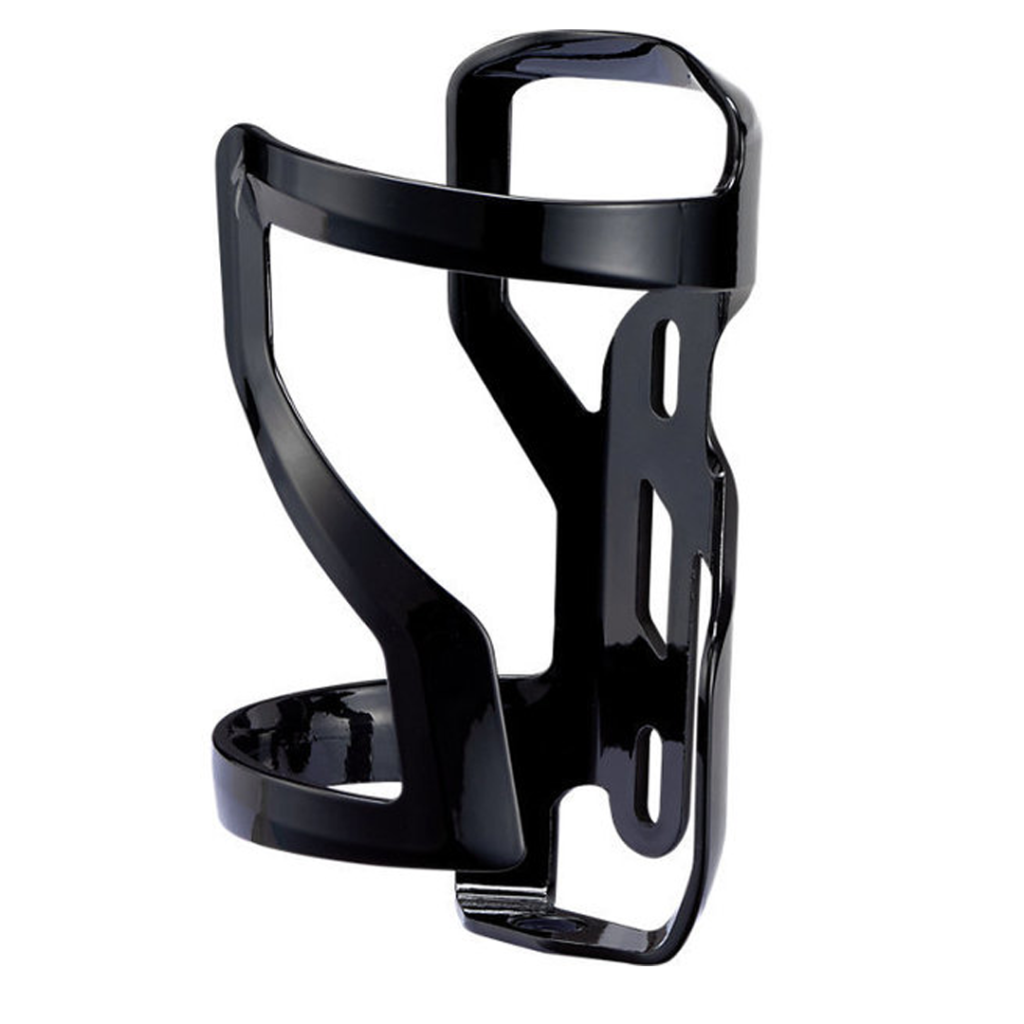
Pros: Its sturdy construction and flexible design securely hold the water bottle. It offers access from both the left and right sides.
Cons: It might be too narrow for very large water bottles.
Why This Cage? Provides easy access and secure holding for daily rides.
Bontrager Elite Bottle Cage
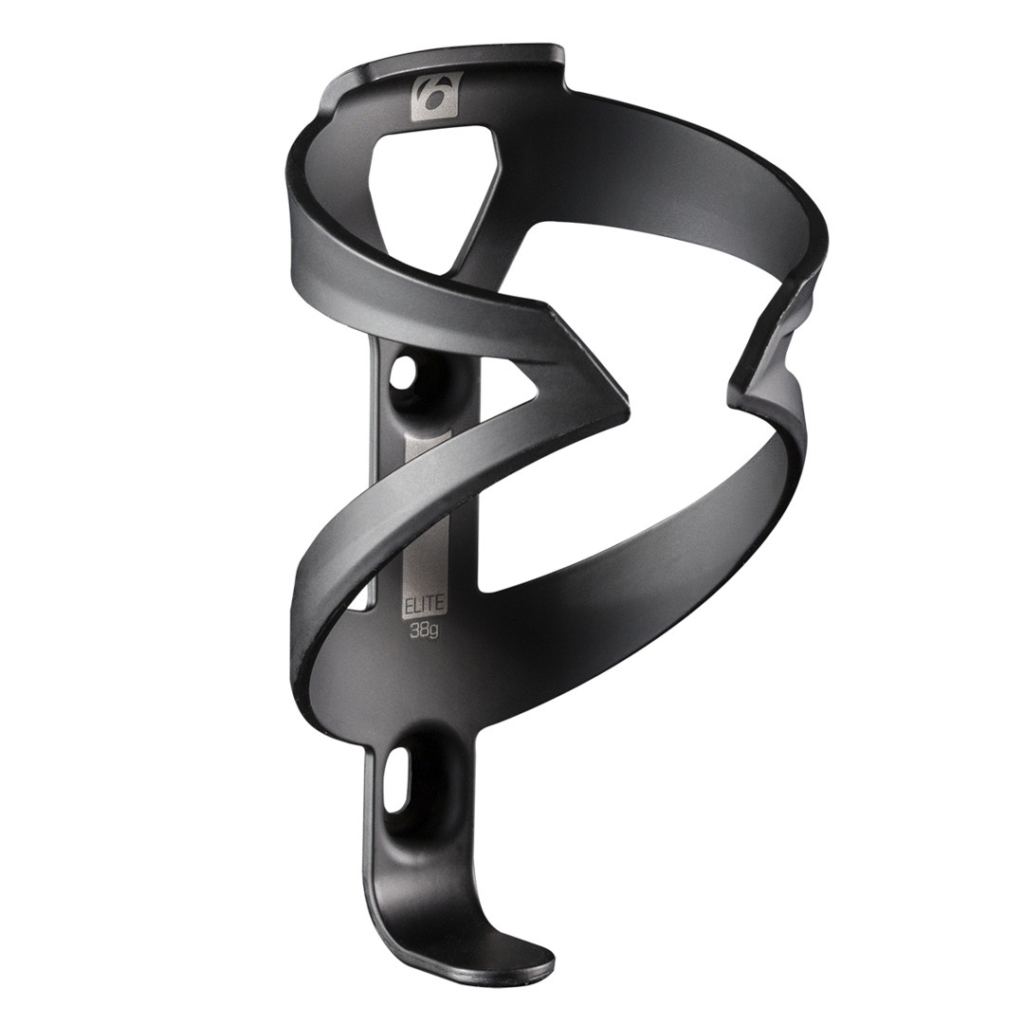
Pros: Its lightweight structure and various color options add a stylish look to your bike. Made from durable composite material.
Cons: Some users report that its flexibility may decrease over time with long-term use.
Why This Cage? A reliable bottle holder for city rides and light off-road cycling.
2. Water Bottles for Performance and Racing
Elite Vico Carbon Cage
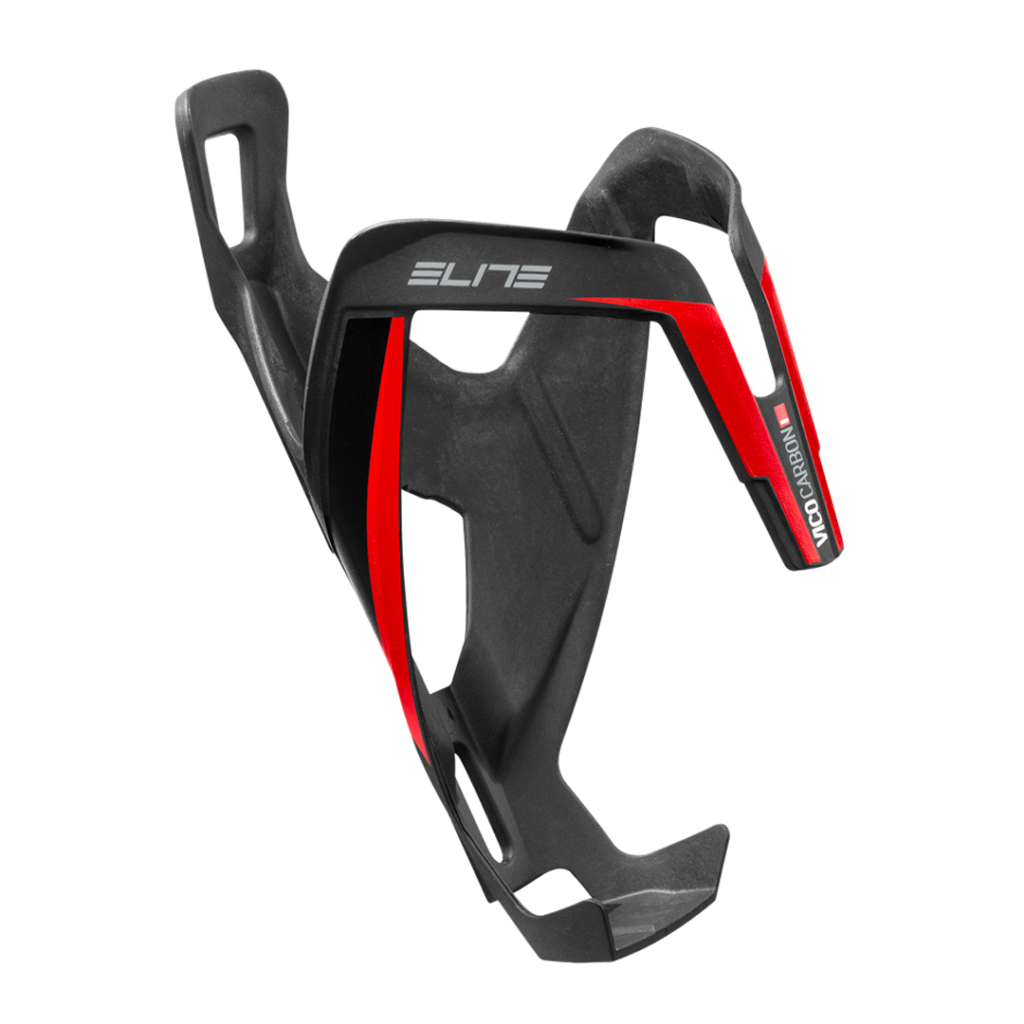
Pros: The carbon fiber construction makes it extremely lightweight and durable. It holds the bottle securely even at high speeds.
Cons: It may be more expensive compared to other options.
Why This Cage? Stands out with its lightness and sturdiness in racing and performance-oriented rides.
Tacx Deva Bottle Cage
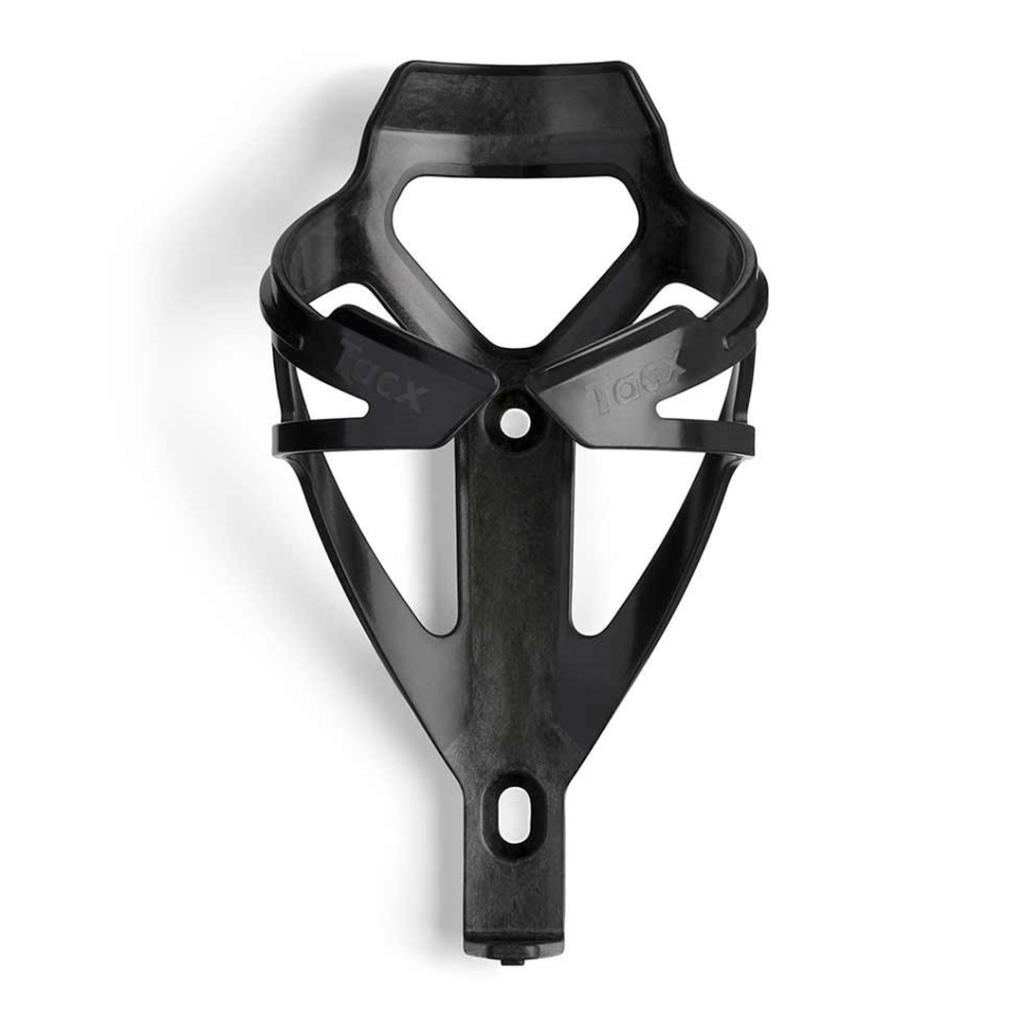
Pros: Its ergonomic design allows easy placement and removal of the bottle. It offers a lightweight and sturdy build.
Cons: The narrow design may not be suitable for some wide water bottles.
Why This Cage? Excels with its lightness and ergonomics in performance rides.
3. Water Bottles for Mountain Biking and Off-Road
Fidlock Twist Bottle System
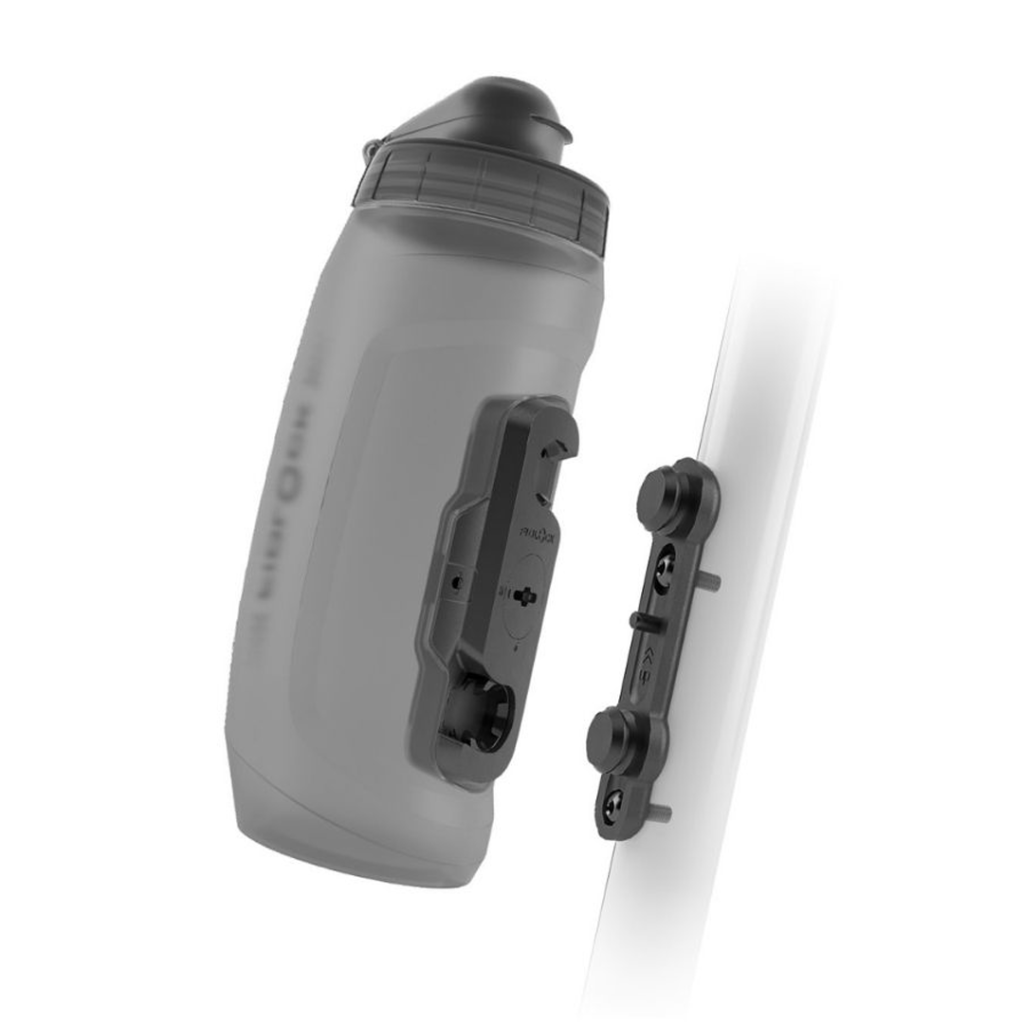
Pros: The magnetic connection system securely holds the water bottle even in challenging terrains. It allows you to twist the bottle out instead of pulling it sideways.
Cons: Not compatible with standard bottles due to the magnetic connection system.
Why This Cage? Ideal for mountain bikers and off-road rides to keep the bottle securely in place.
Lezyne Flow Cage
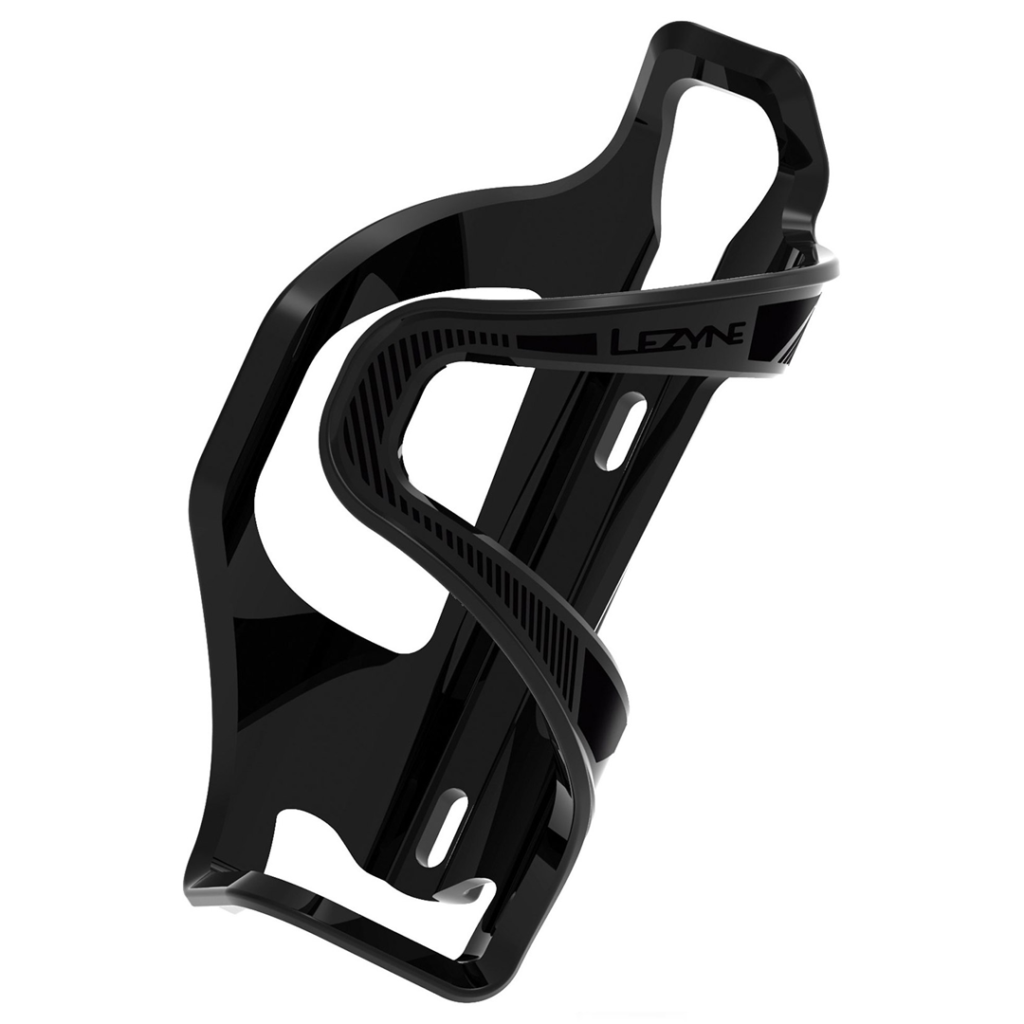
Pros: Made from durable composite material, it securely holds the water bottle even in rough terrains. It offers use with both the right and left hands.
Cons: Placing larger bottles may be difficult.
Why This Cage? Provides durability and practical use in off-road rides.
4. Water Bottles for High Capacity
Topeak Modula Java Cage
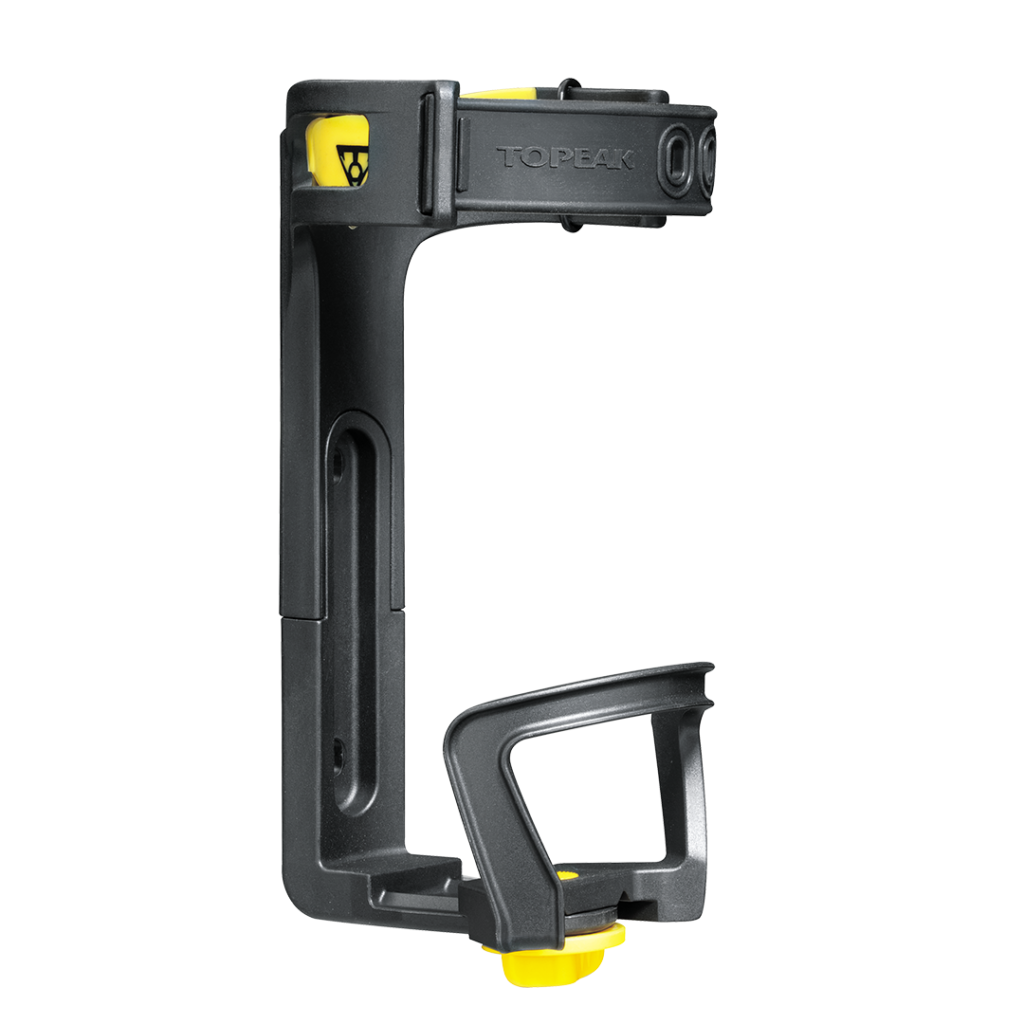
Pros: Adjustable design to carry different sizes of water bottles and even thermoses. Suitable for mountain biking and long journeys.
Cons: May be unnecessarily large for light use.
Why This Cage? Ideal for longer rides with larger water containers or thermoses.
These water bottle cage recommendations are selected to suit different riding styles and needs. By offering suitable options for both general use and special performance rides, they can make your e-bike experience more comfortable and enjoyable.
Saddle Recommendations
1. Saddles for Long-Distance and Touring
Brooks B17 Standard
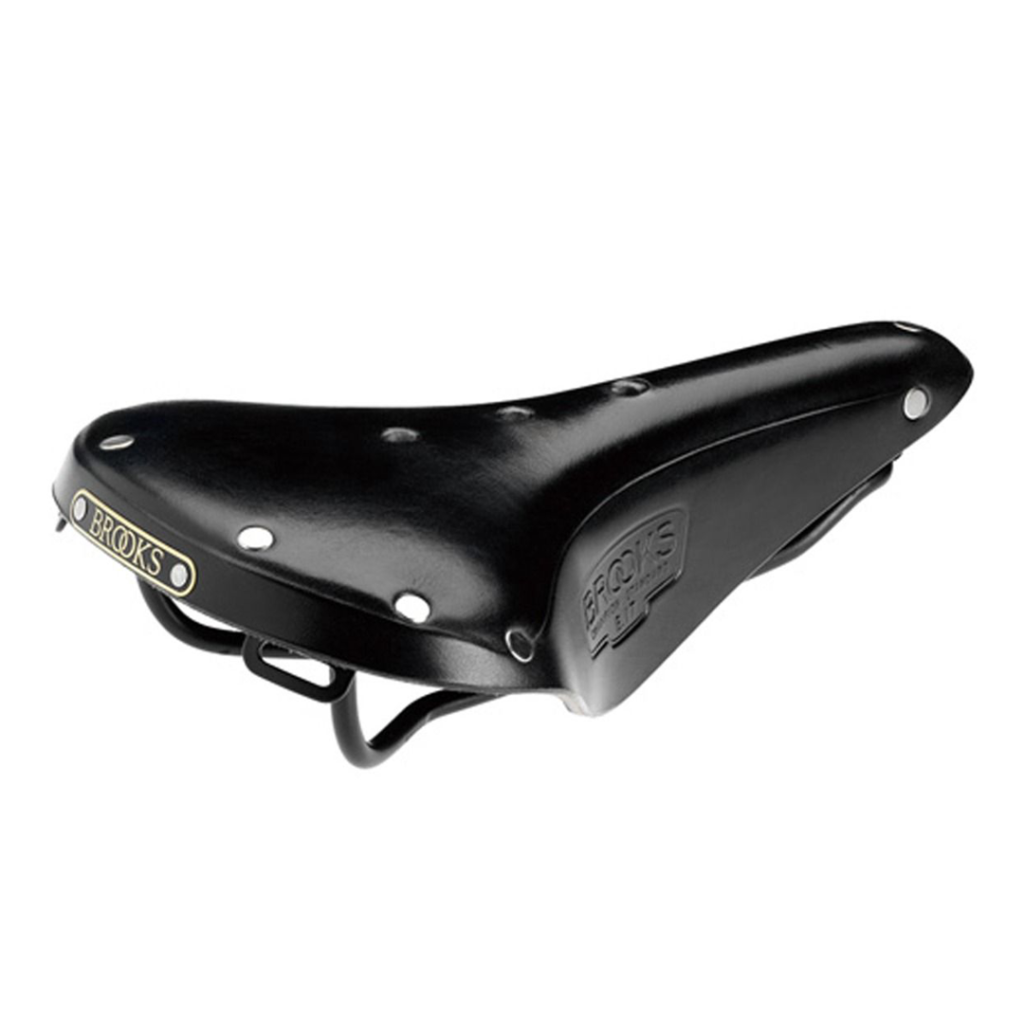
Pros: The natural leather construction molds to your body shape over time, offering personalized comfort. It is durable and long-lasting.
Cons: It may feel stiff initially and can take time to break in.
Selle Anatomica X Series
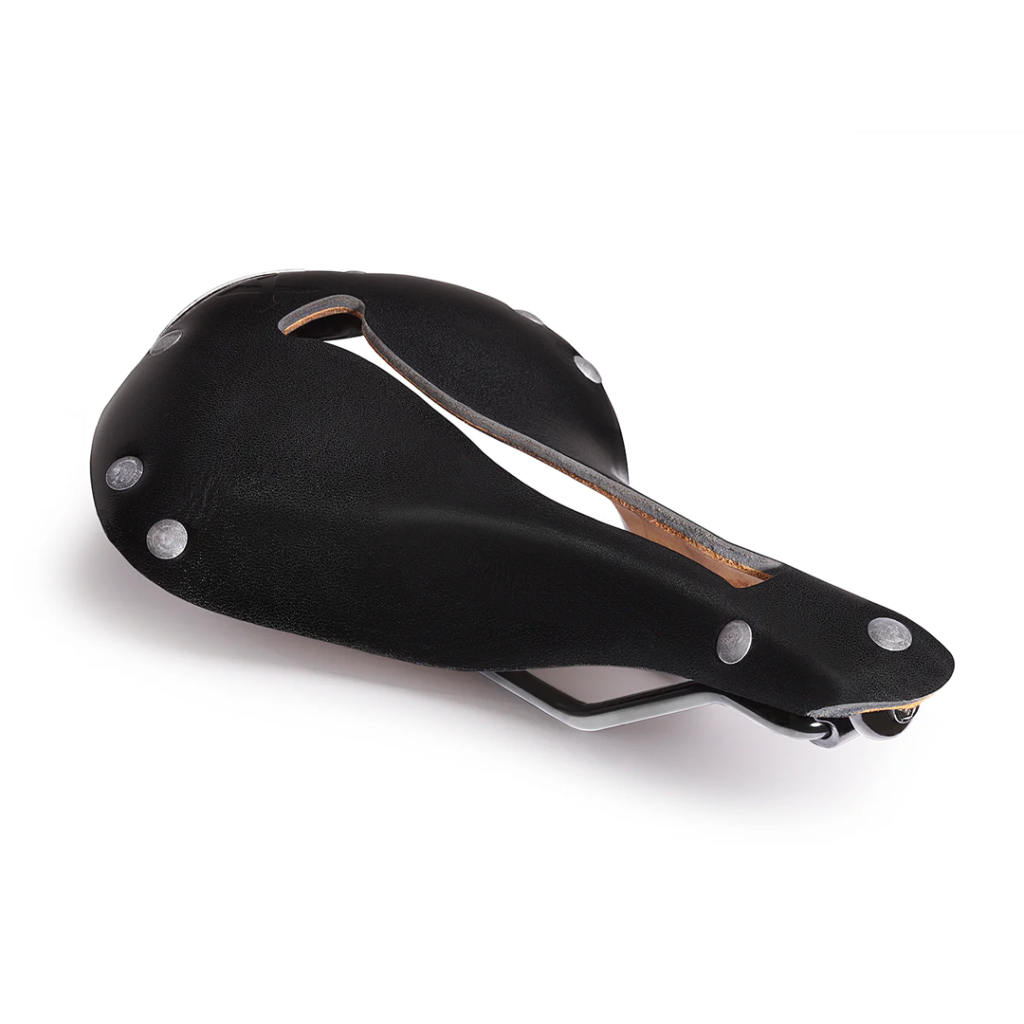
Pros: The flexible leather construction provides extended comfort. It has a broad surface area ideal for long-distance rides.
Cons: It can be more expensive than other models.
Why Use These Saddles?
- Comfort: High-quality saddles like the Brooks B17 and Selle Anatomica offer maximum comfort during long-distance rides.
- Durability: These saddles are designed to last, making them ideal for extended use.
2. Saddles for City and Daily Use
Selle Royal Respiro Soft Moderate
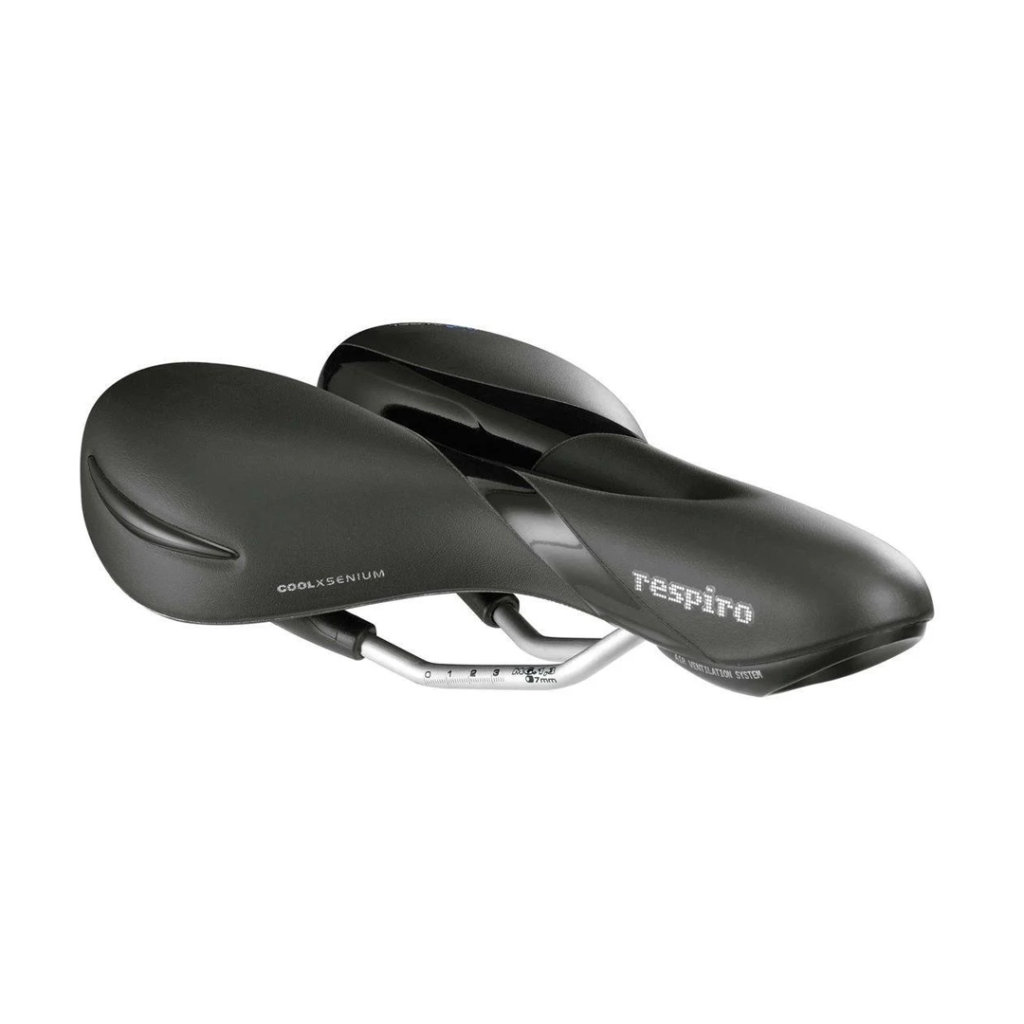
Pros: Gel padding and ventilation channels provide maximum comfort even during long rides. Helps keep you cool, even in warm weather.
Cons: Its wide design may not be suitable for sporty rides.
Brooks Cambium C17
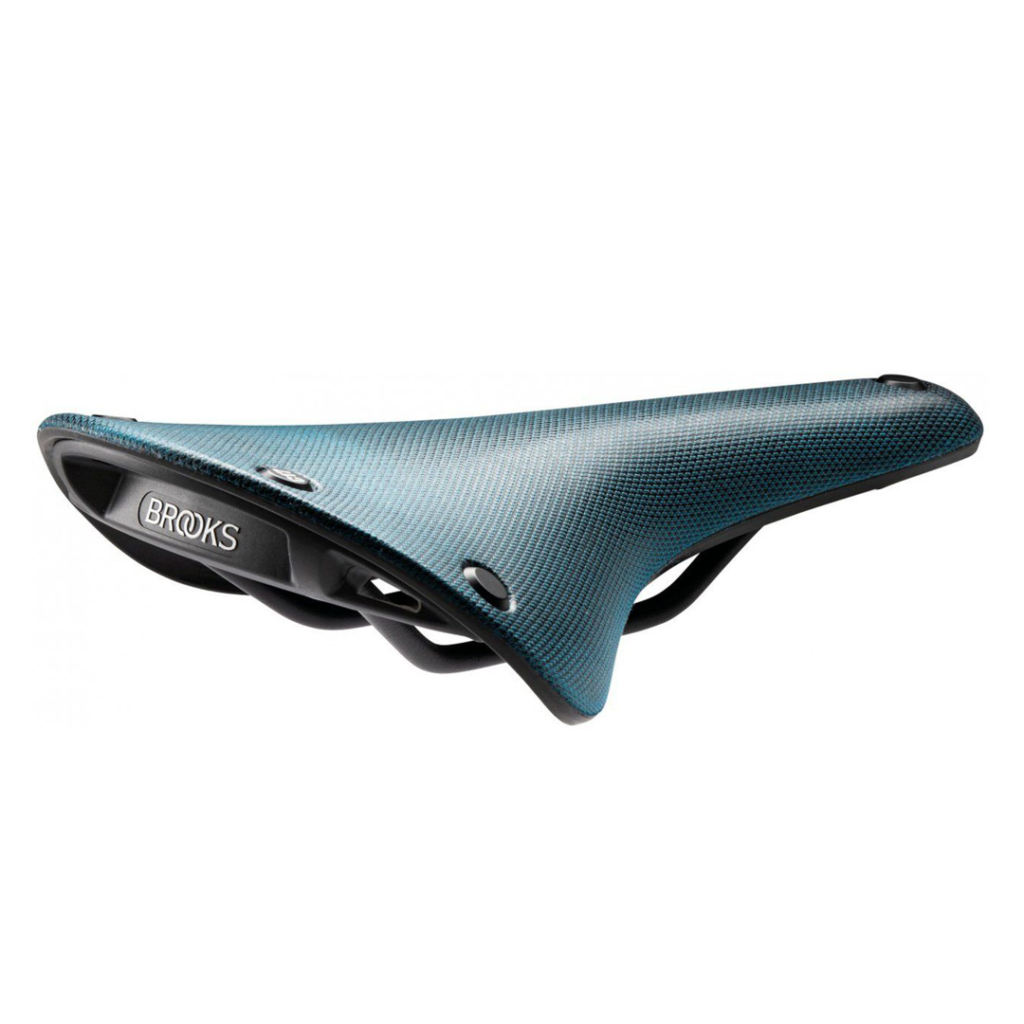
Pros: The abrasion-resistant, waterproof construction makes it perfect for city rides. The natural rubber base absorbs shocks and provides comfort.
Cons: It may feel a bit firmer compared to other gel-padded models.
Why Use These Saddles?
Comfort: Designed to provide comfort even on short city rides.
Durability: Models like the Brooks Cambium C17 are built to withstand harsh weather and heavy use.
3. Saddles for Mountain Biking and Off-Road
WTB Volt
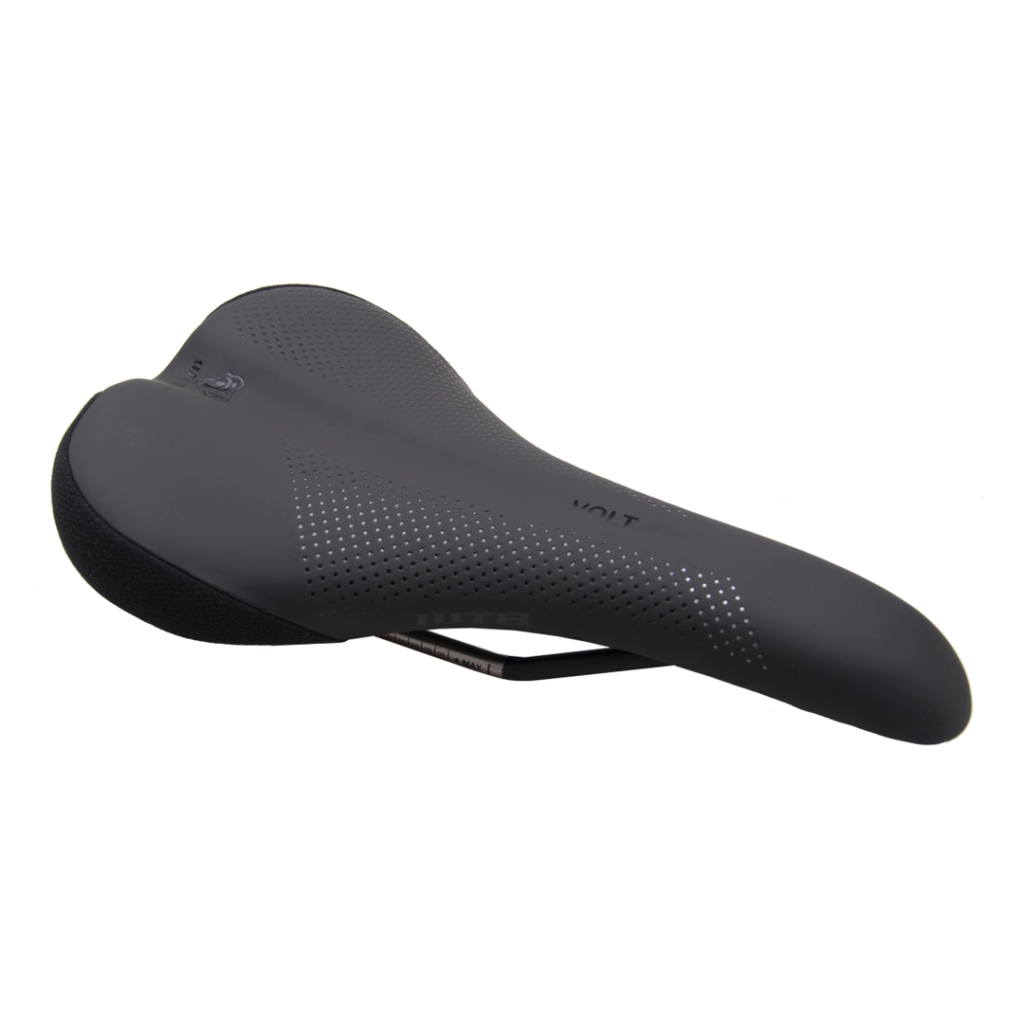
Pros: The slim design and lightweight structure offer freedom of movement during off-road rides. It maintains comfort even during intense pedaling.
Cons: It may be too narrow for long journeys.
Fizik Gobi M5
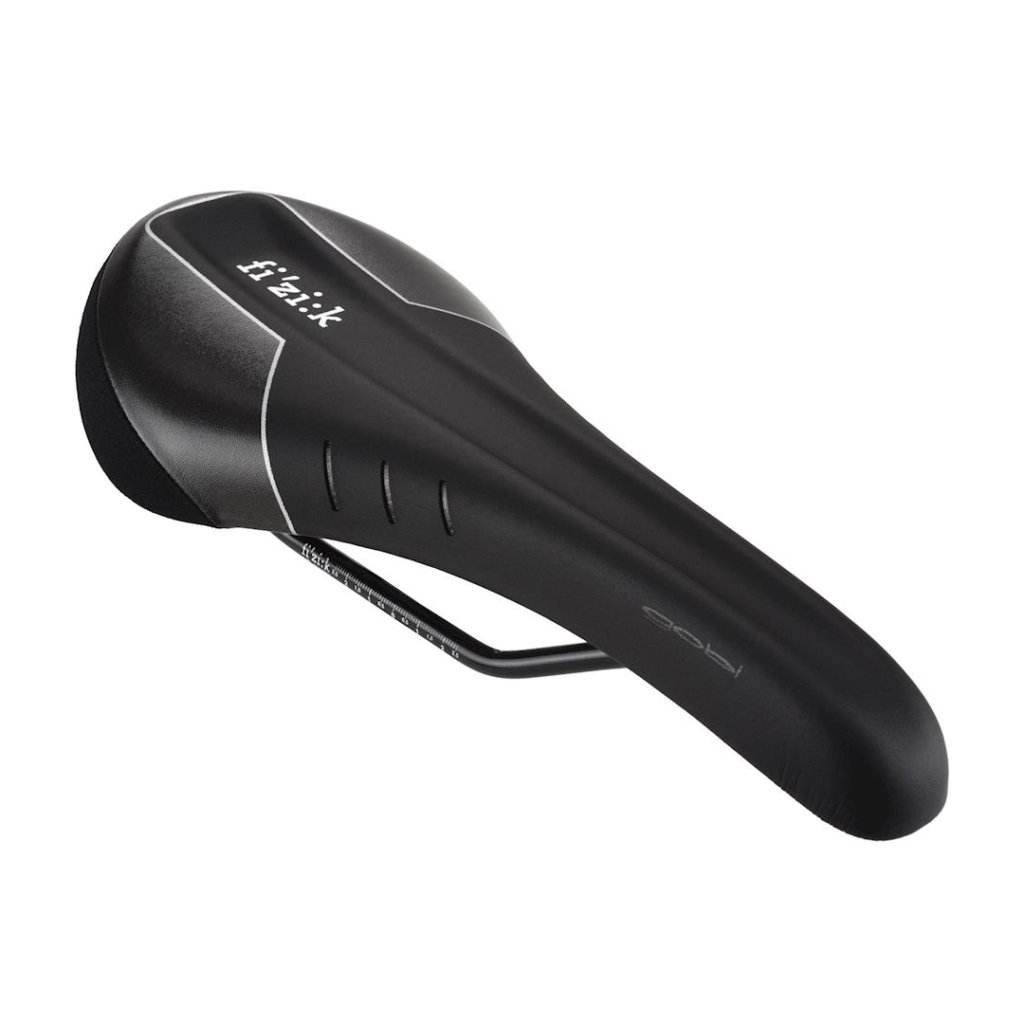
Pros: The carbon composite construction provides lightness and durability. Its medium width offers balance and control in mountain biking.
Cons: It may be more expensive than other off-road saddles.
Why Use These Saddles?
Lightweight: Lightweight and compact saddles provide better control and flexibility during mountain biking.
Durability: Saddles like the Fizik Gobi M5 are designed to withstand rough terrains.
4. Saddles for Racing and Performance Riding
Selle Italia SLR Boost Superflow
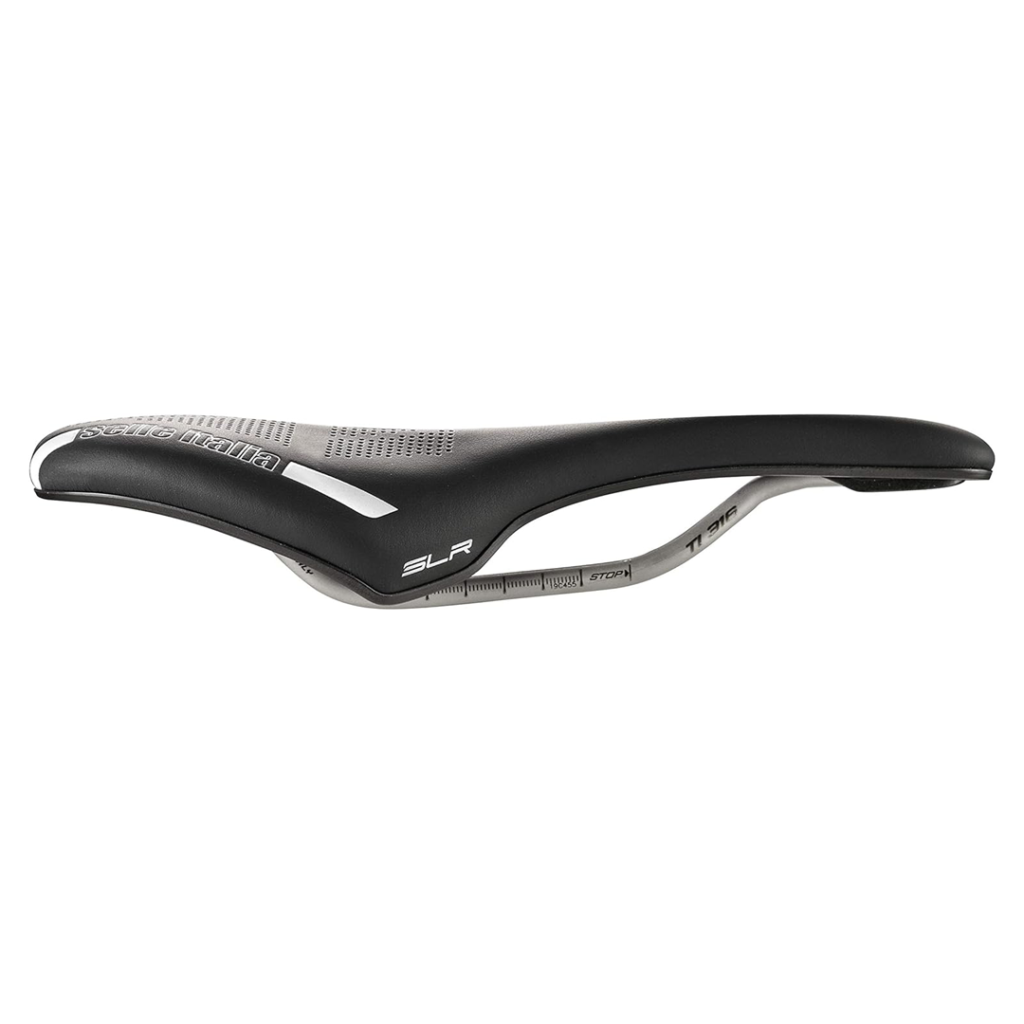
Pros: The ultra-light and aerodynamic design is ideal for riders seeking speed and performance. The wide ventilation channel reduces pressure and provides comfort even during long rides.
Cons: The comfort features may be limited due to the performance-oriented design, which may not suit all riders.
Fizik Arione R1
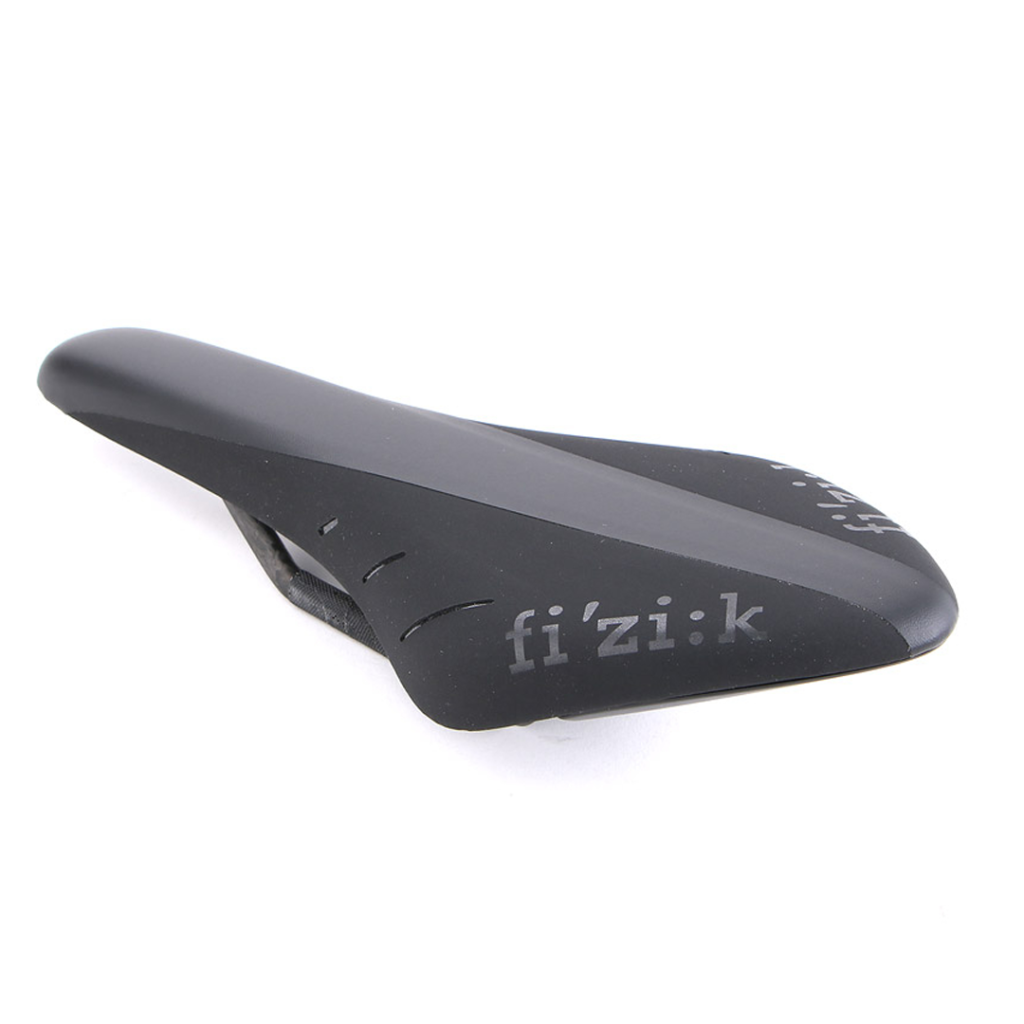
Pros: The thin and long design is perfect for aggressive riding positions. The carbon construction offers lightness and durability.
Cons: The narrow design may not be comfortable for riders with wide sit bones.
Why Use These Saddles?
Performance: Lightweight and aerodynamic saddles enhance speed and efficiency in races and high-intensity rides.
Comfort: Models like the Selle Italia SLR Boost Superflow are designed to provide maximum comfort even during long-distance races.
These saddle recommendations cater to different riding styles and needs, helping visitors make the right decision. By offering the best options in each category, you can optimize users’ e-bike experiences.
Helmet Recommendations
When riding an e-bike, safety is paramount, so choosing a quality helmet is a critical step. Here are the best helmet recommendations for different user needs:
1. Helmets for Daily Use
Giro Caden MIPS
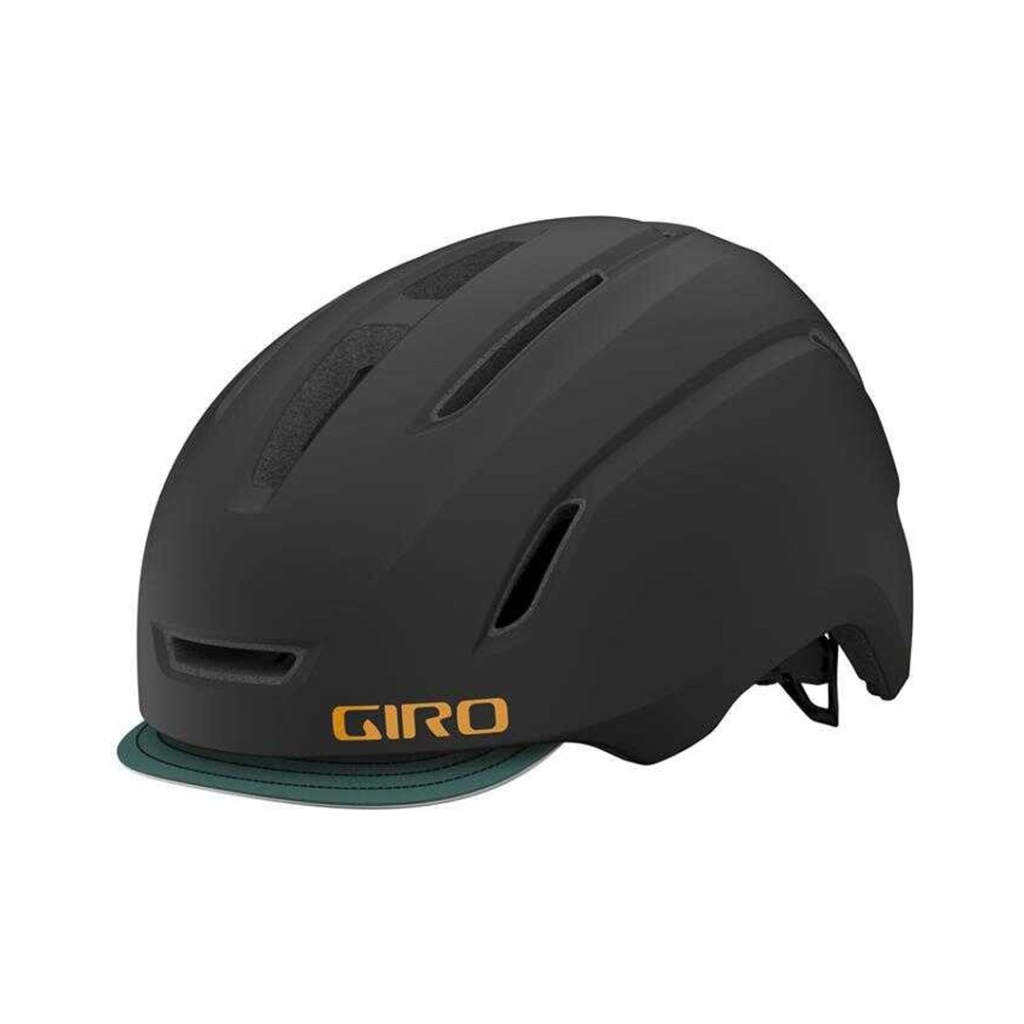
Pros: Ideal for city use, providing extra protection with MIPS technology. The ventilation holes ensure comfort even during summer.
Cons: The design may seem too simple for those who prefer a sportier look.
Bell Daily MIPS
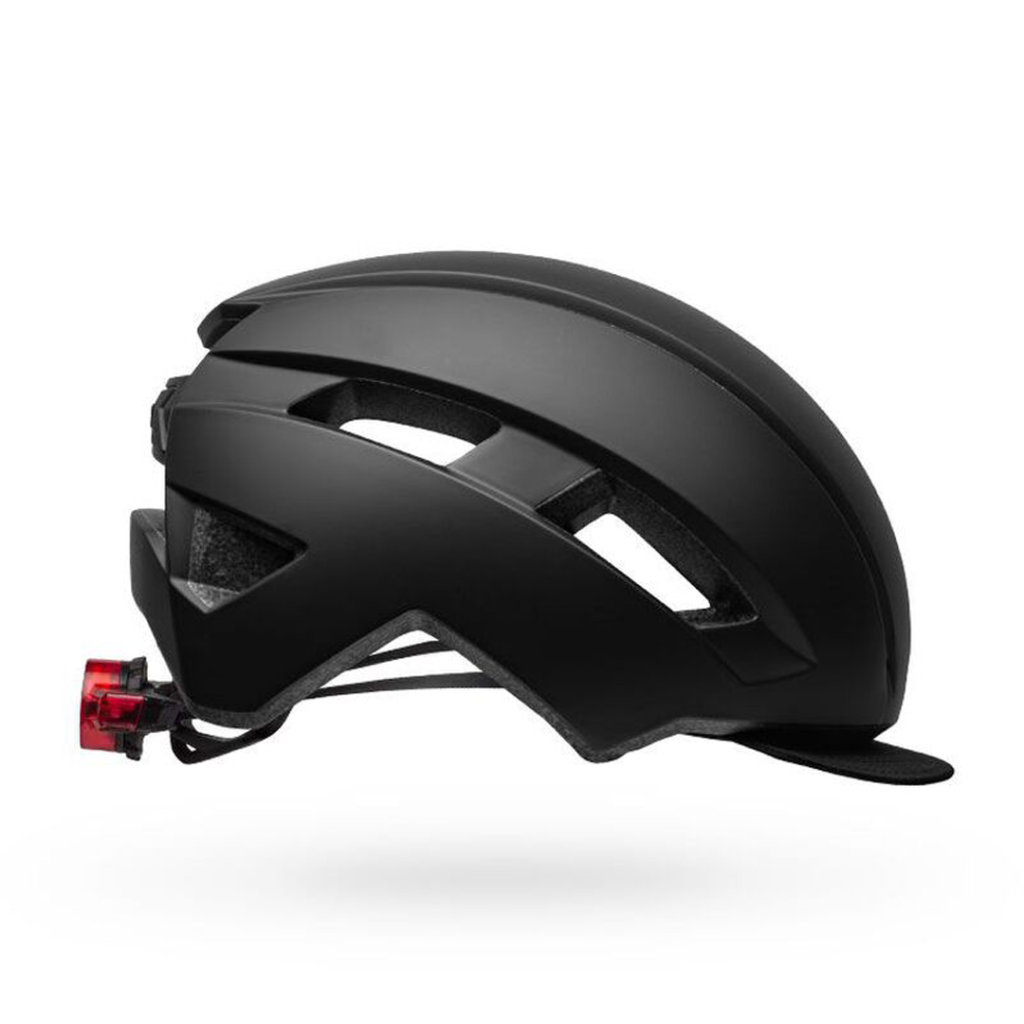
Pros: Integrated rear light offers extra safety during night rides. Protects your head during impacts with MIPS technology.
Cons: The rear light may require battery replacement, which can be inconvenient.
Why Use These Helmets?
Safety: MIPS technology offers better protection in sudden accidents during city use.
Visibility: Integrated lights improve visibility during night rides.
Helmets for Mountain Biking and Off-Road Use
Fox Speedframe Pro
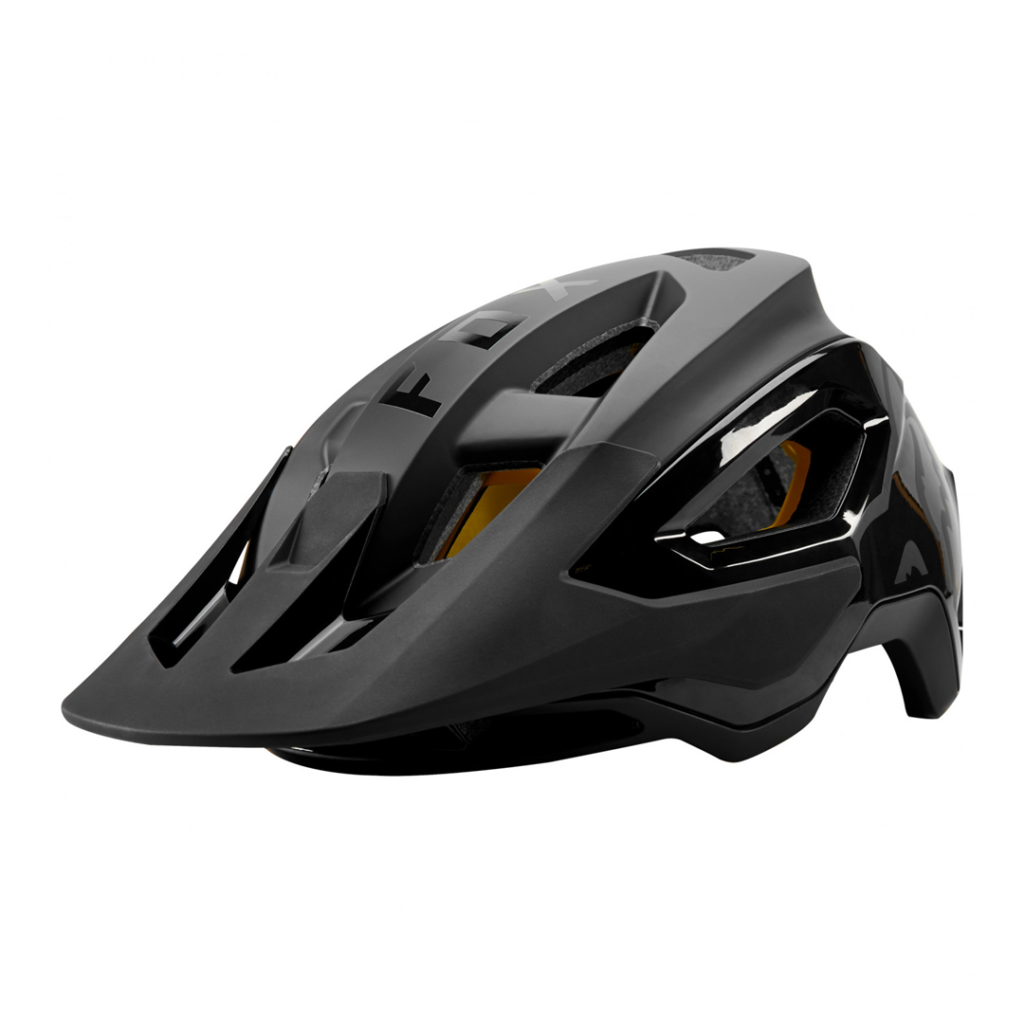
Pros: Offers high performance with MIPS technology, large ventilation holes, and a removable visor.
Cons: It is priced higher than other options.
Troy Lee Designs A2
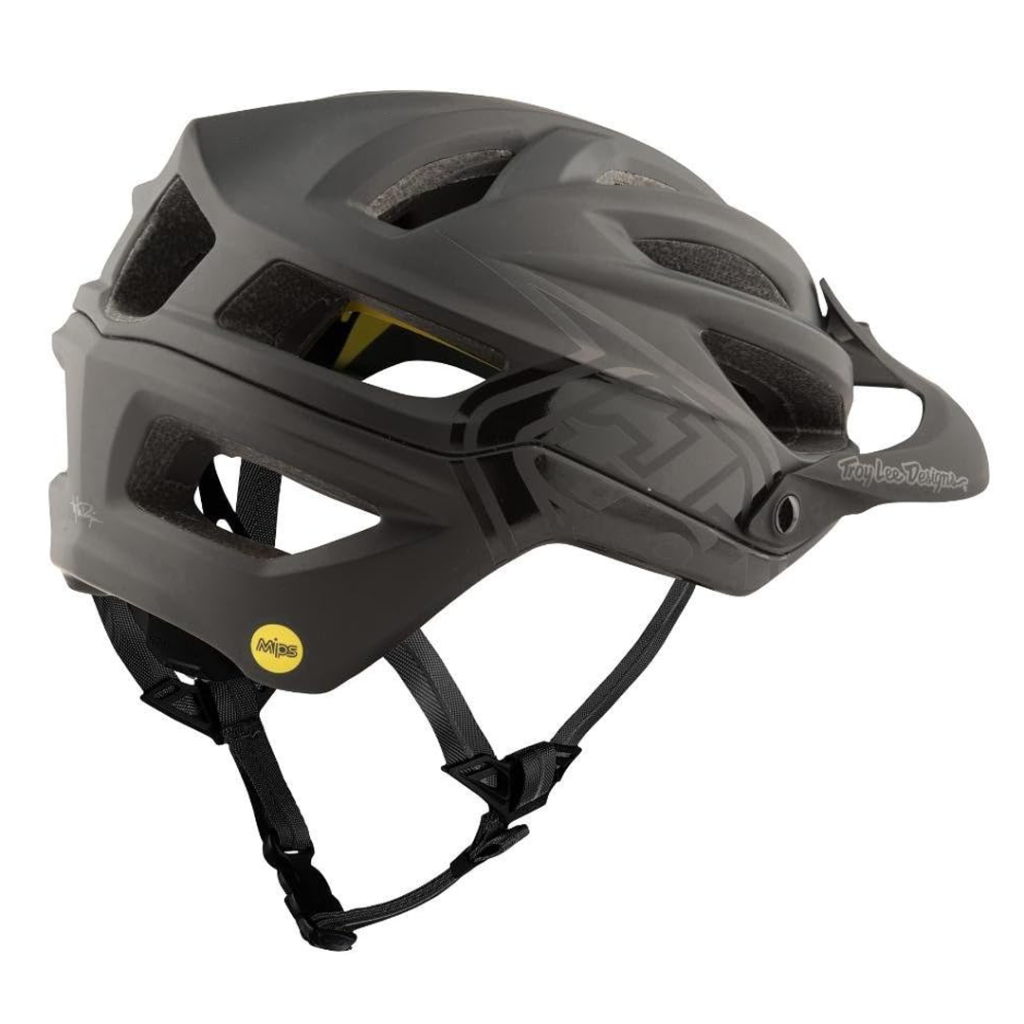
Pros: Its lightweight structure and large ventilation holes provide comfort even during long use. The dual-density EPS foam absorbs impacts better.
Cons: May not be suitable for those who prefer a more enclosed helmet in extreme weather conditions.
Why Use These Helmets?
High Performance: In mountain biking and off-road riding, MIPS technology and visors with a wide field of view enhance rider performance.
Durability: Their durable construction ensures your safety even in challenging terrains.
3. Helmets for Speed Riding and Racing
POC Ventral Air Spin
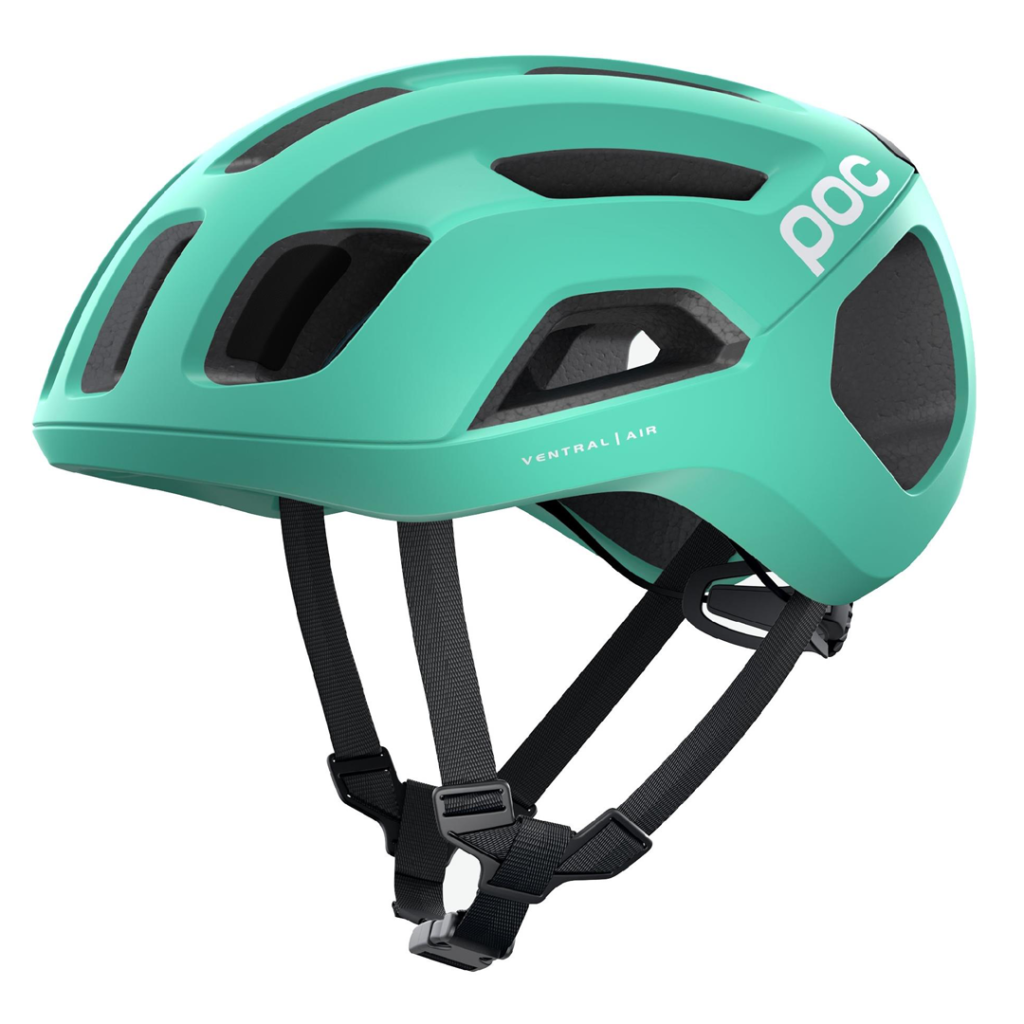
Pros: Its aerodynamic design and lightweight structure ensure a comfortable and safe ride even at high speeds. SPIN technology minimizes impacts.
Cons: The number of ventilation holes may not be sufficient in hot weather.
Specialized S-Works Evade
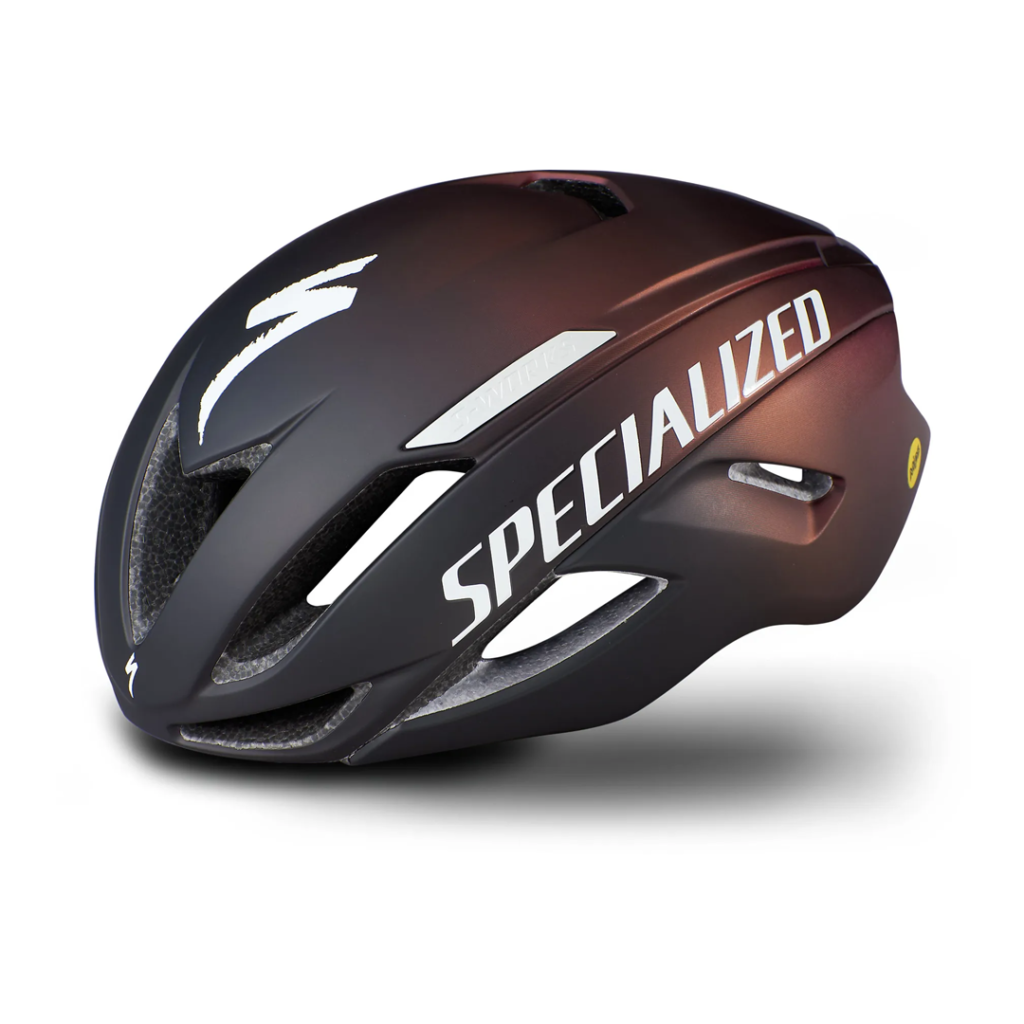
Pros: Provides a fast and comfortable ride with integrated aero technology and large ventilation holes.
Cons: The aerodynamic structure may feel too tight for some users.
Why Use These Helmets?
Aerodynamic Performance: In high-speed rides and races, aerodynamic design reduces wind resistance, allowing you to go faster.
Comfort: Their lightweight structure and ventilation systems provide comfort even during long rides.
4. Helmets for Electric Bike Users
Giro Camden MIPS
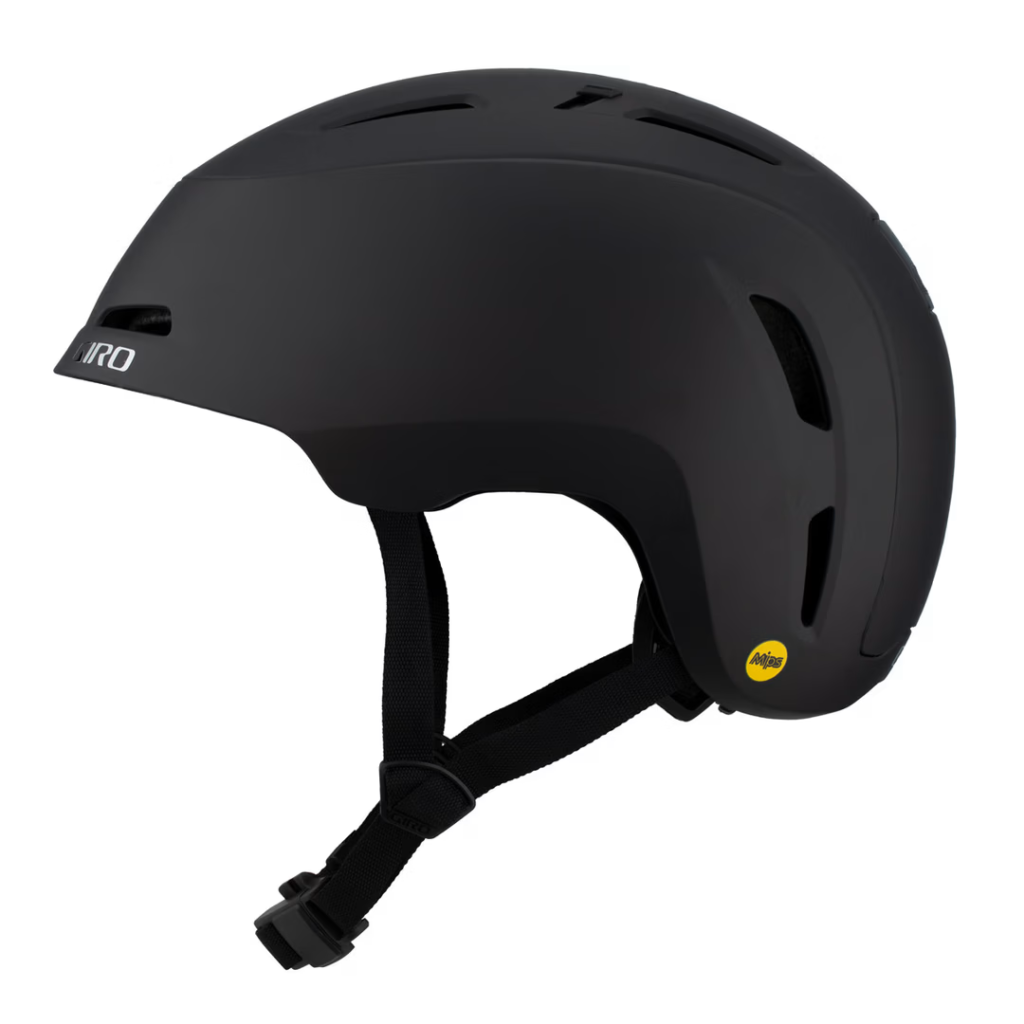
Pros: Equipped with the MIPS protection system, this model is specially designed for e-bike users. The integrated LED rear light enhances safety.
Cons: It may have a heavier structure, which can cause discomfort during prolonged use.
Lazer Urbanize MIPS
Pros: The built-in visor protects your eyes from wind and dust. Provides extra safety with MIPS technology and an integrated rear light.